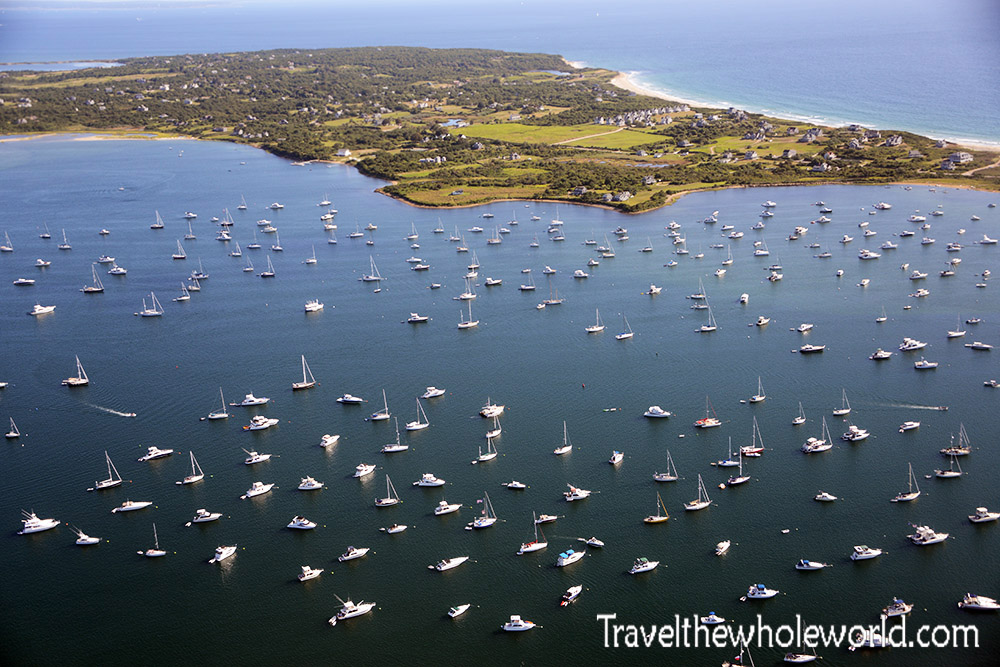
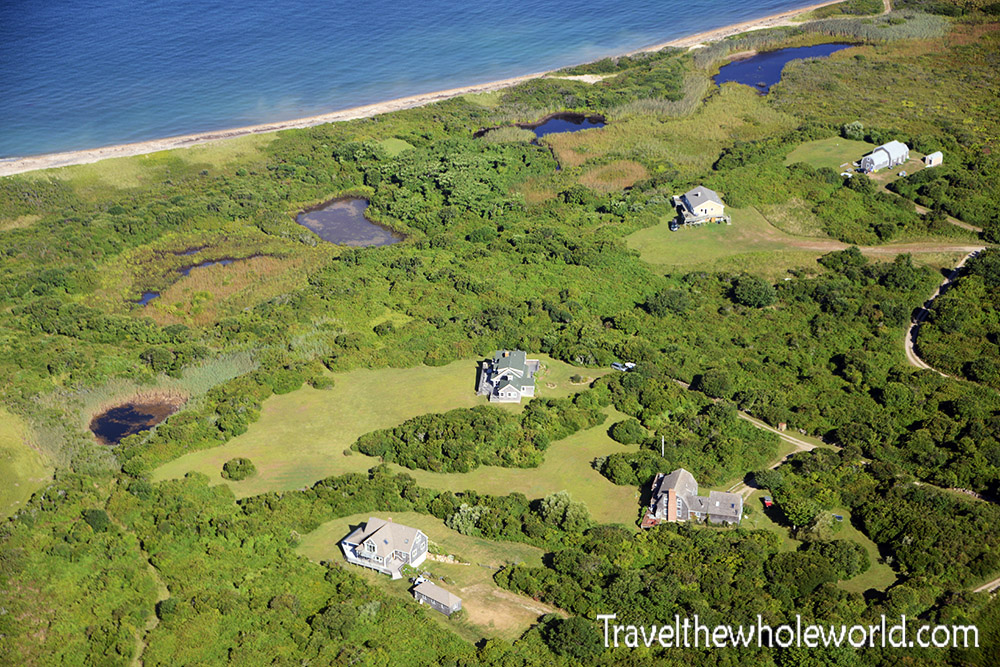
Small but beautiful, Block Island is one of Rhode Island’s best summer destinations. Outside of New England it isn’t particularly well known, and even though I had visited Rhode Island before, I didn’t know Block Island existed until I later discovered it online. The island was named after Dutch explorer Adriaen Block, who charted the area in the early 17th century. Most visitors arrive by ferry from the mainland, but I decided to fly simply because I wanted to see what the island looked like from above. The photo above shows the Great Salt Pond, a large natural harbor on the western side of the island. Below is another view from the plane showing just how green and lightly developed much of Block Island still is.
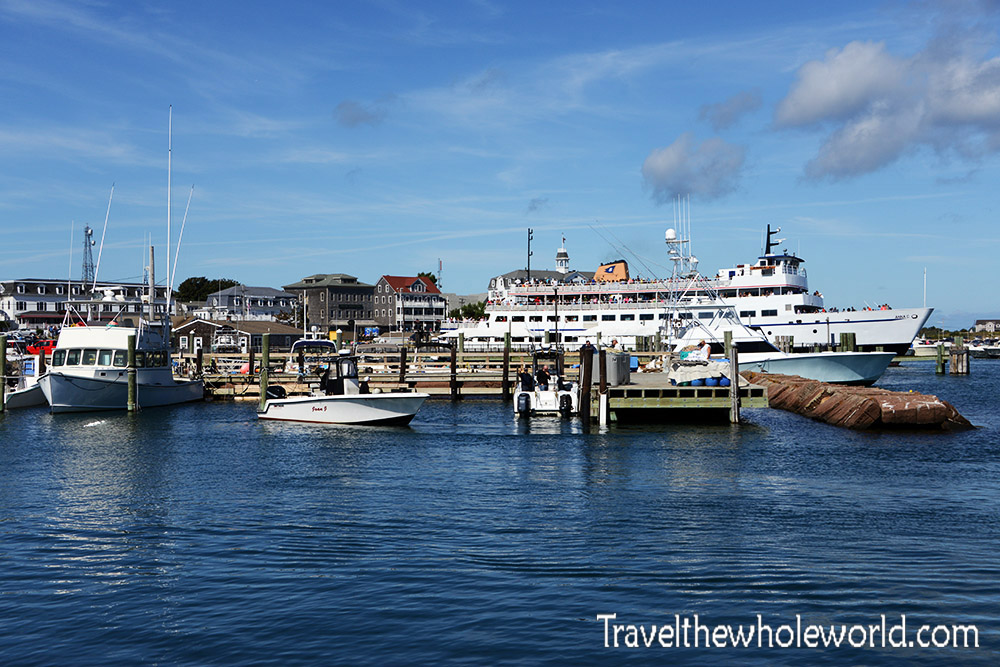
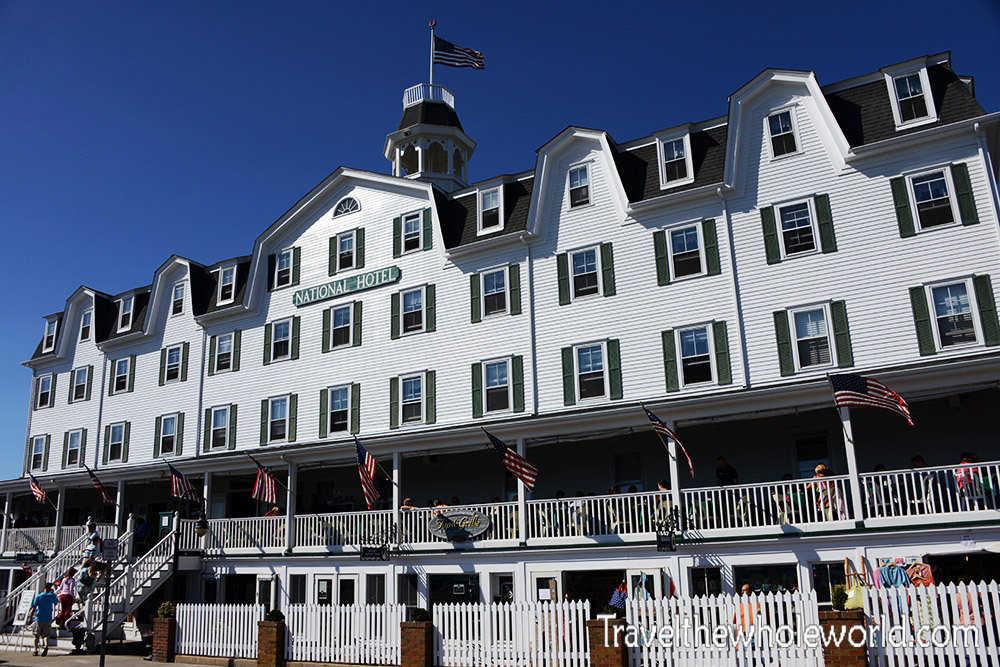
I’m definitely glad I flew into Block Island, but the ferry would probably have been a fun experience as well. The photo above shows one of the ferries pulling into the island’s main harbor at New Shoreham. Below is the National Hotel, one of the historic hotels overlooking the harbor and a good example of the classic New England architecture found around this part of the island.
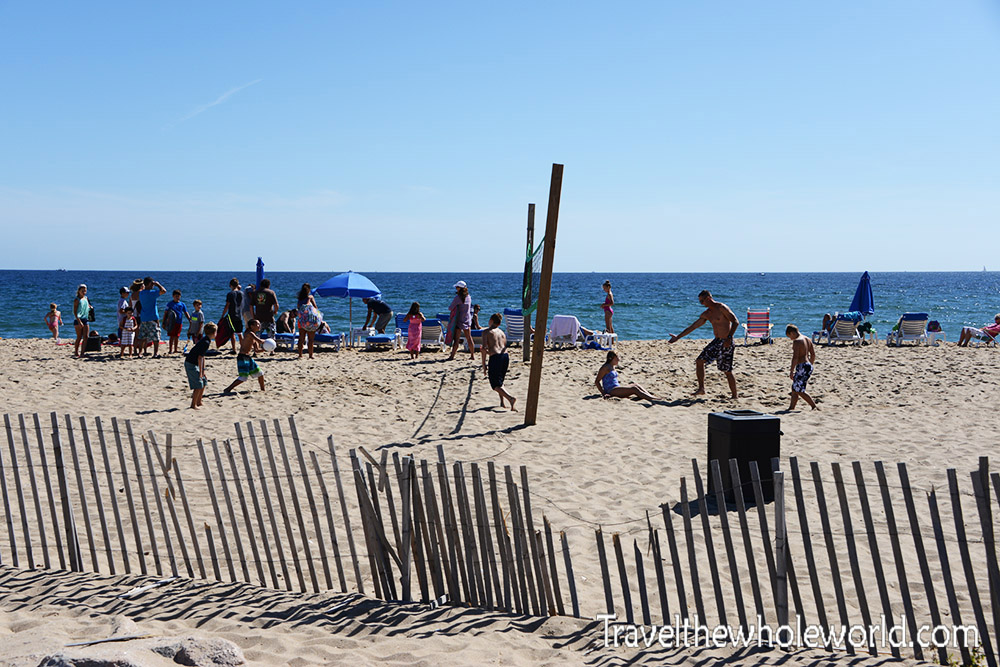
Since Rhode Island is so far north, I had always imagined the water would be too cold for many normal beach activities. The Atlantic is definitely cooler here than farther south, but Block Island still has everything you’d expect from a summer beach destination: swimming, sailing, jet skis, volleyball, sunbathing, and plenty of sandy shoreline. I biked around the island on a warm August day and was actually pretty hot at times, although the water was still too cold for me personally.
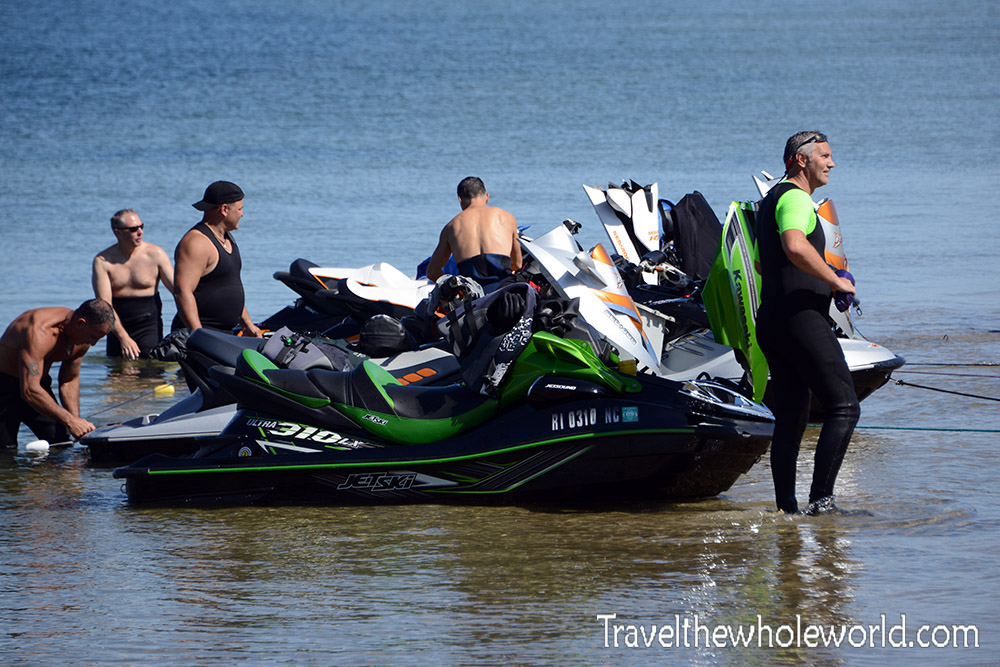
A handful of people were swimming, but most seemed perfectly happy staying above the water. Even these guys on jet skis were wearing wetsuits in August, which made me feel a little better about deciding not to jump in.
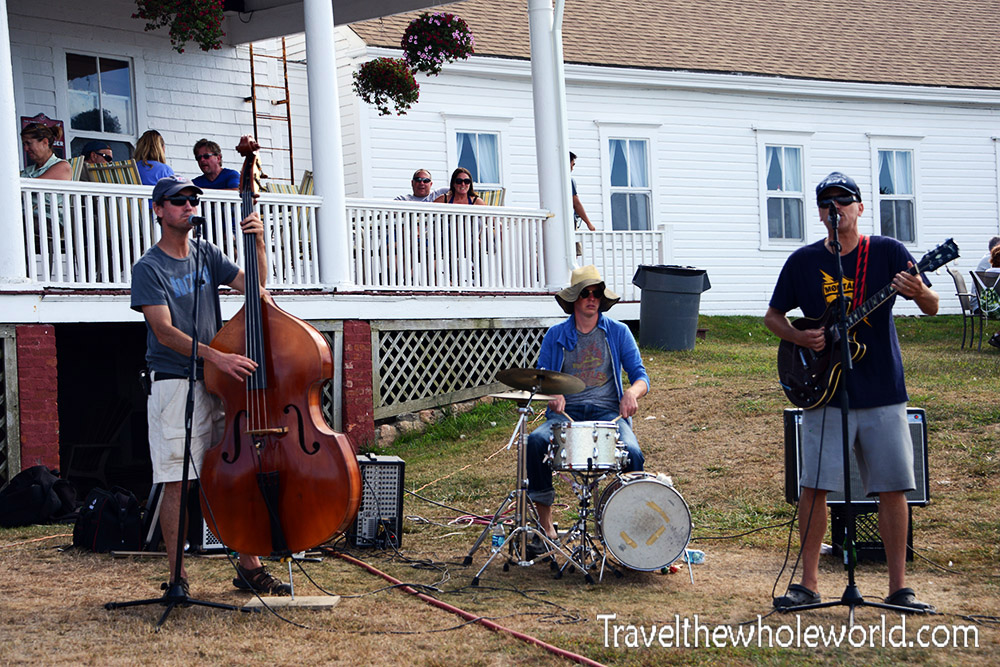
Somehow I managed not to photograph much of New Shoreham itself, which was probably the liveliest part of the island. In another area I did stumble across this outdoor music event. I’m not sure whether it was a special festival or something held regularly during the summer, but there was a good crowd enjoying the music.
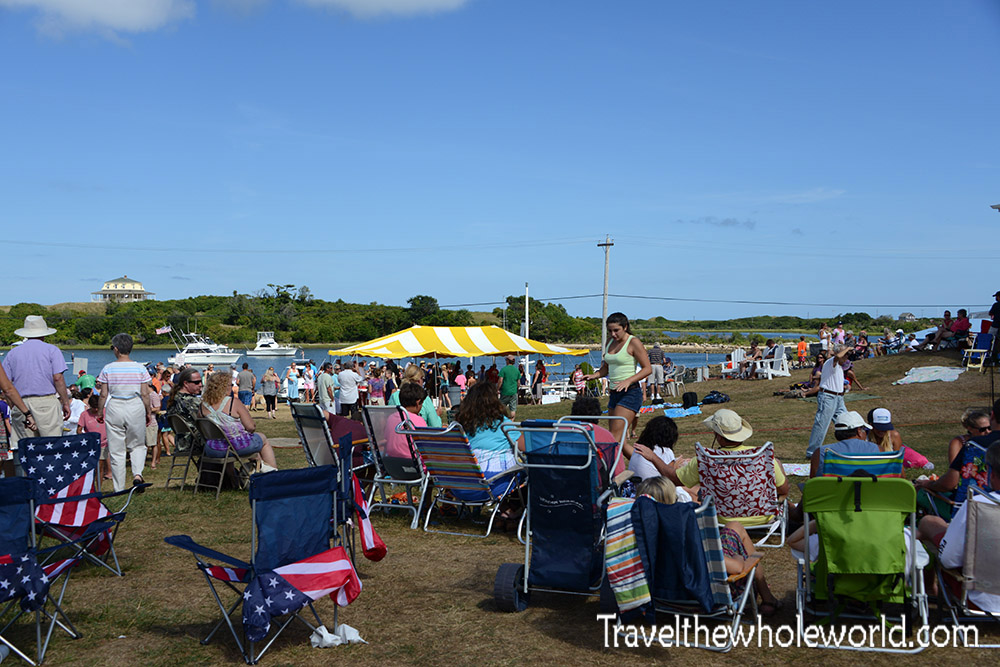
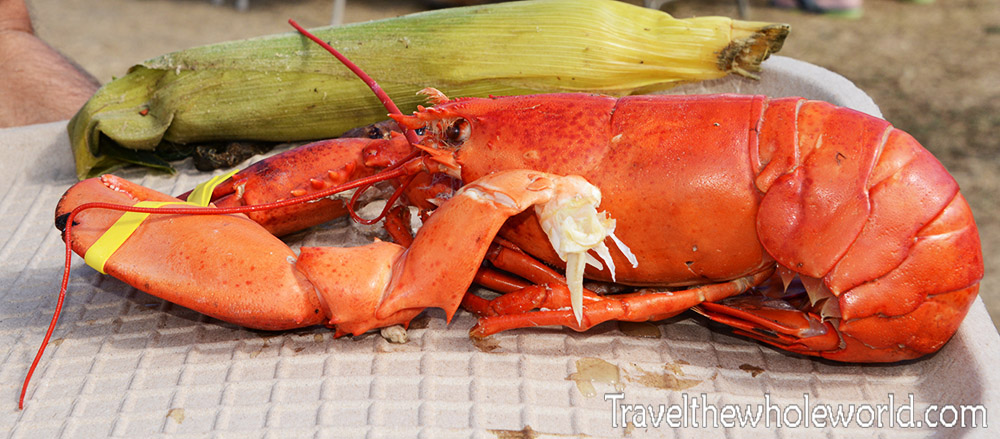
The live music also came with plenty of food, and it seemed almost mandatory that everyone order a giant lobster with an equally giant ear of corn. If you’re going to spend a summer afternoon on a New England island, I suppose that’s about as appropriate a meal as you can get.
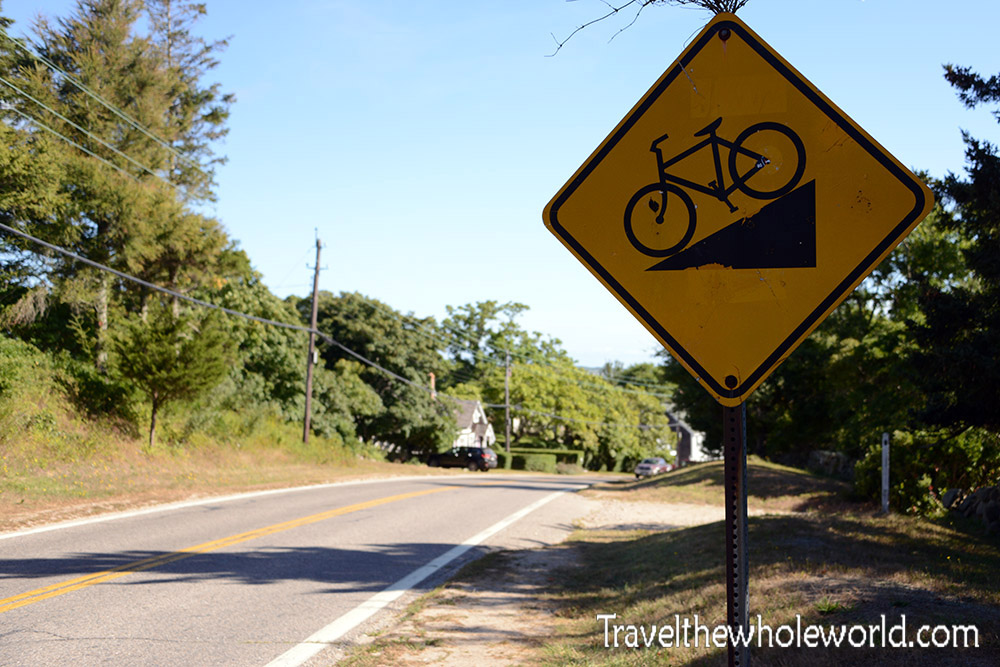
I rented a bicycle in New Shoreham and seriously rode across almost the entire island. Block Island is small enough that biking is one of the best ways to explore it, and most of the terrain is fairly easy. There are a few steeper hills though, along with narrow roads and blind corners like the one warned about above. Riding instead of driving also made it much easier to stop whenever I saw something interesting.
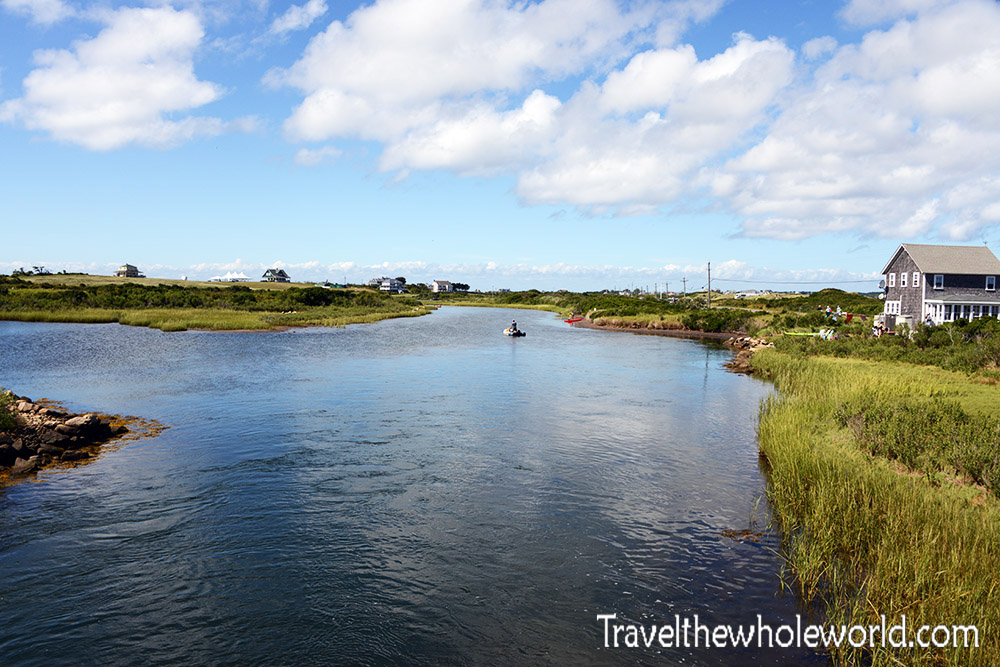
Boating is obviously another huge part of life here. Between the Great Salt Pond, smaller inlets, harbors, and the surrounding Atlantic, water seems to define almost every part of Block Island. Kayaking or sailing would be a completely different way to explore the coastline on a future visit.
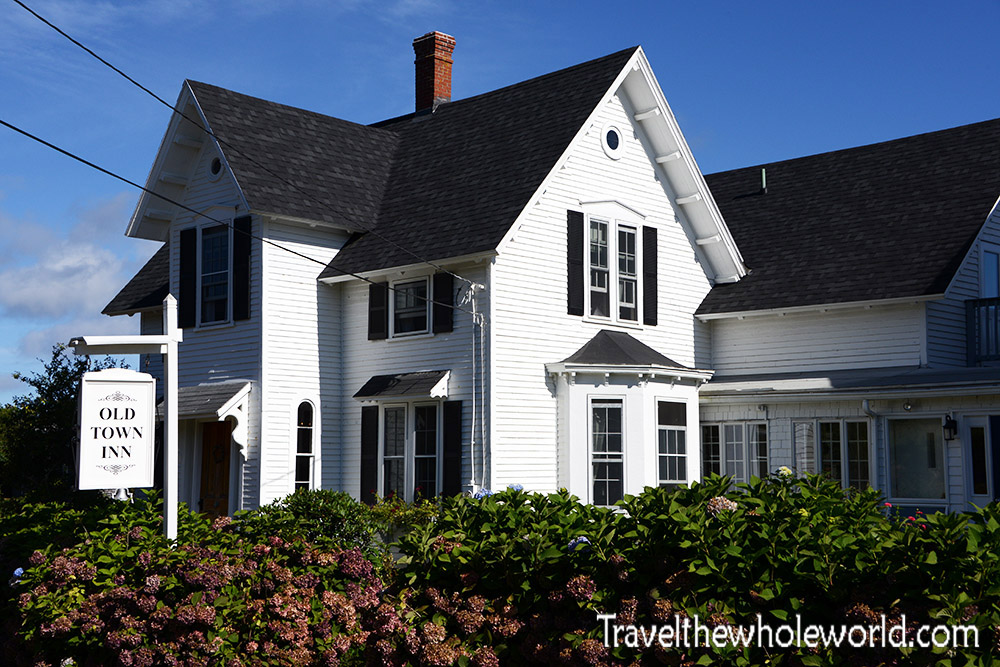
While biking around, I don’t remember seeing many generic-looking buildings. Inns, restaurants, and houses mostly followed the traditional coastal New England style that gives the island so much of its character. The photos above and below show just a few examples.
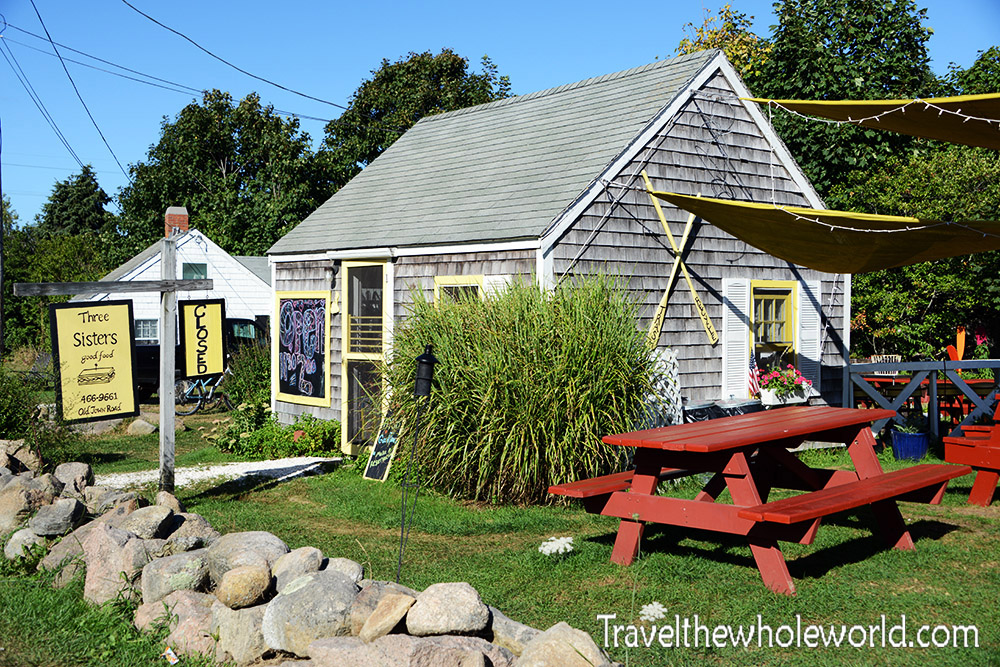
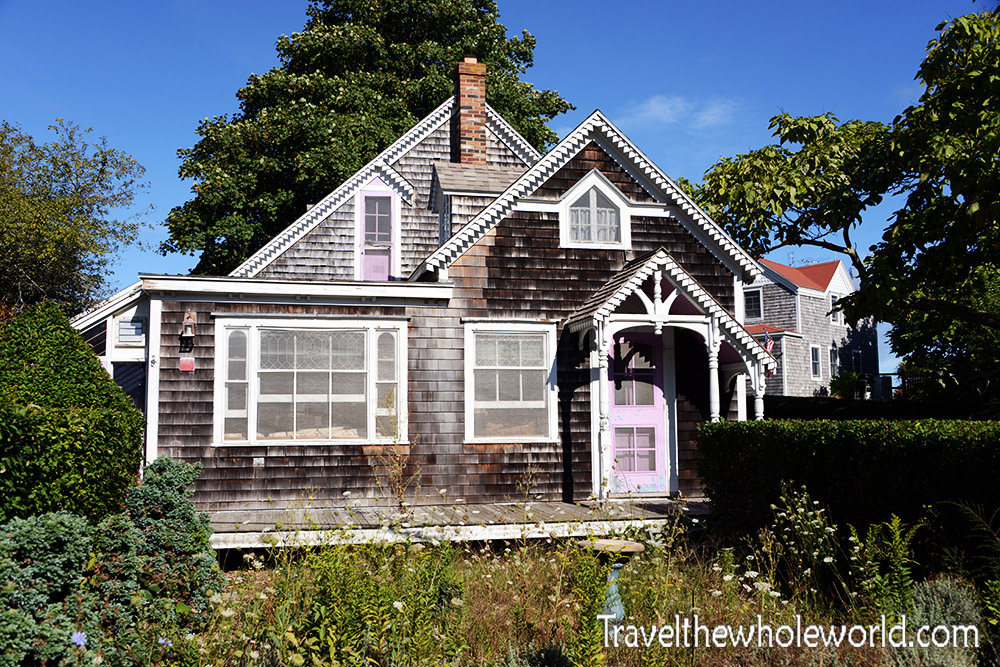
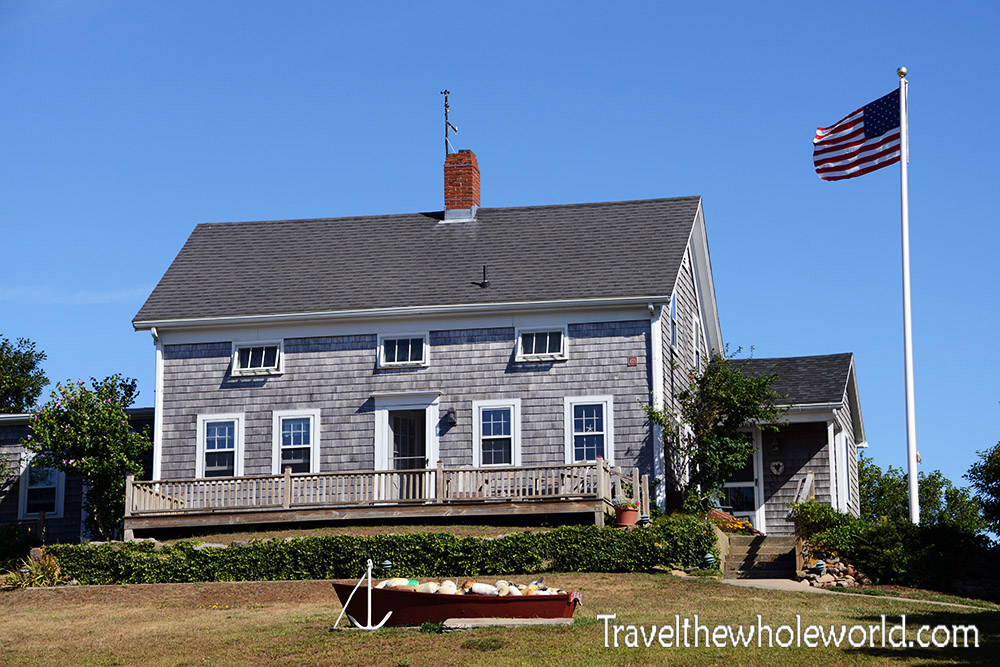
Block Island also has plenty of secluded homes scattered around the countryside. Renting one of these places for a few days would be a completely different experience from staying near the main harbor. You could have a quiet stretch of coastline nearby while still being only a bike ride away from restaurants and the busier parts of the island.
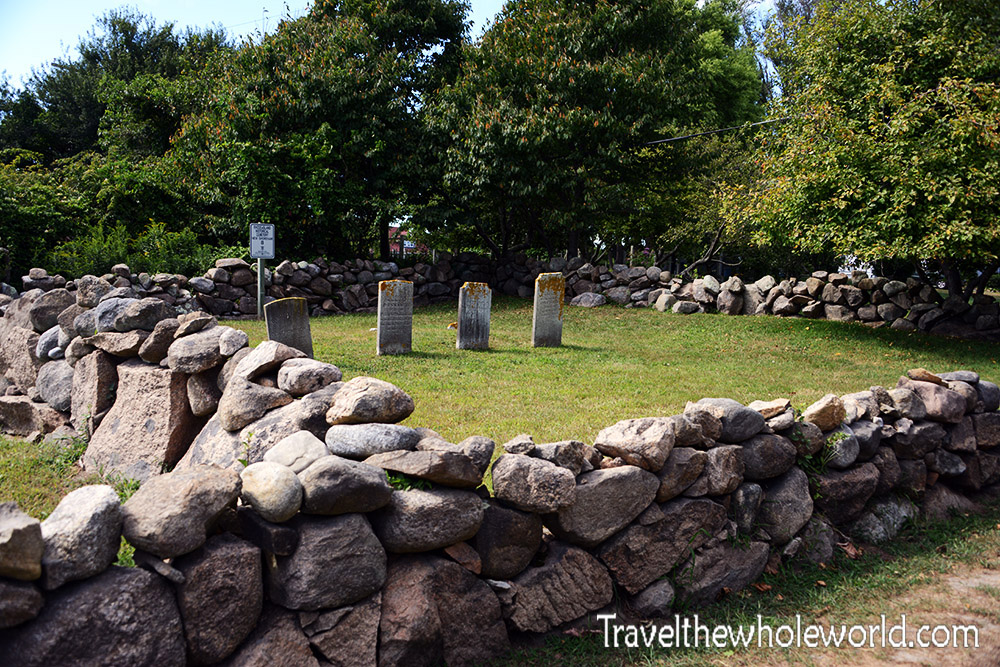
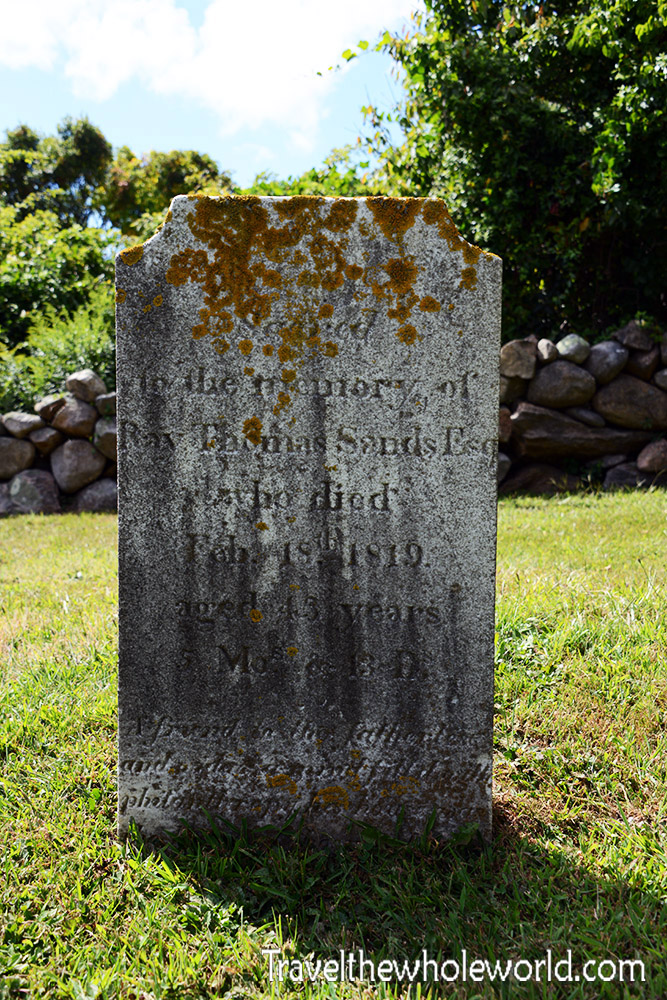
Something else I kept noticing while biking were the old cemeteries scattered around the island. European settlement on Block Island dates to the 17th century, so some graves here are centuries old and predate the United States itself. I didn’t check every marker in this particular cemetery, but many of the stones I saw appeared to date from the 18th and 19th centuries.
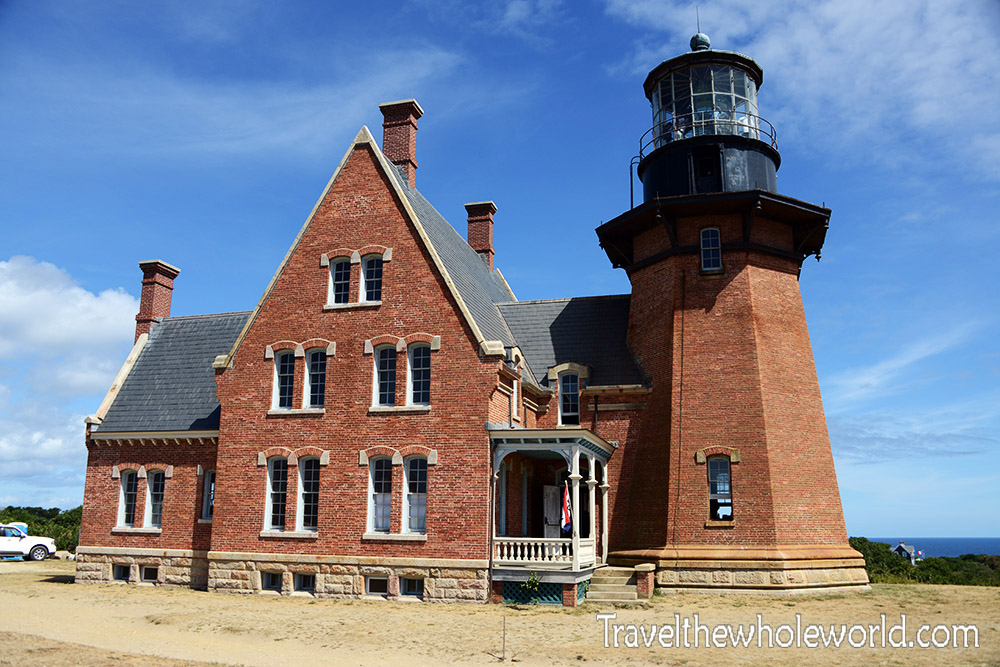
Block Island has two historic lighthouses positioned on opposite ends of the island. The surrounding waters have long been hazardous to ships because of shoals, storms, fog, and the exposed Atlantic coastline, making navigational aids especially important. Above is the Southeast Lighthouse, located near the Mohegan Bluffs. The cliffs here are constantly eroding, and in 1993 the entire lighthouse was famously moved several hundred feet inland to prevent it from eventually falling into the ocean.
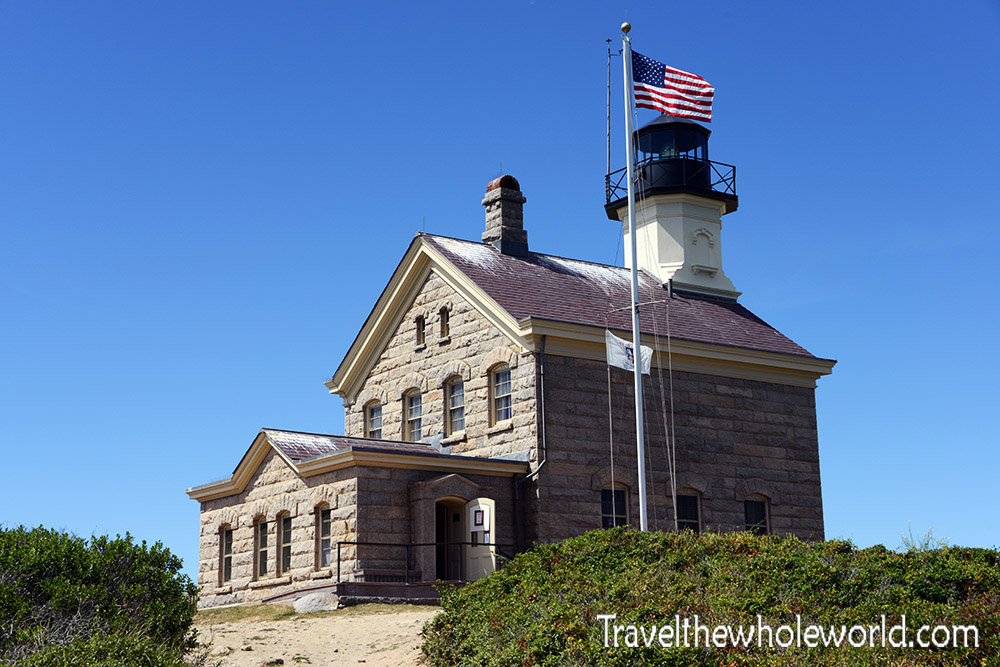
At the opposite end of Block Island is the North Lighthouse, standing near the island’s northern tip. When I visited, the lighthouse also contained a small museum covering the area’s maritime history. I found the exhibits about shipwrecks and lifesaving crews especially interesting.
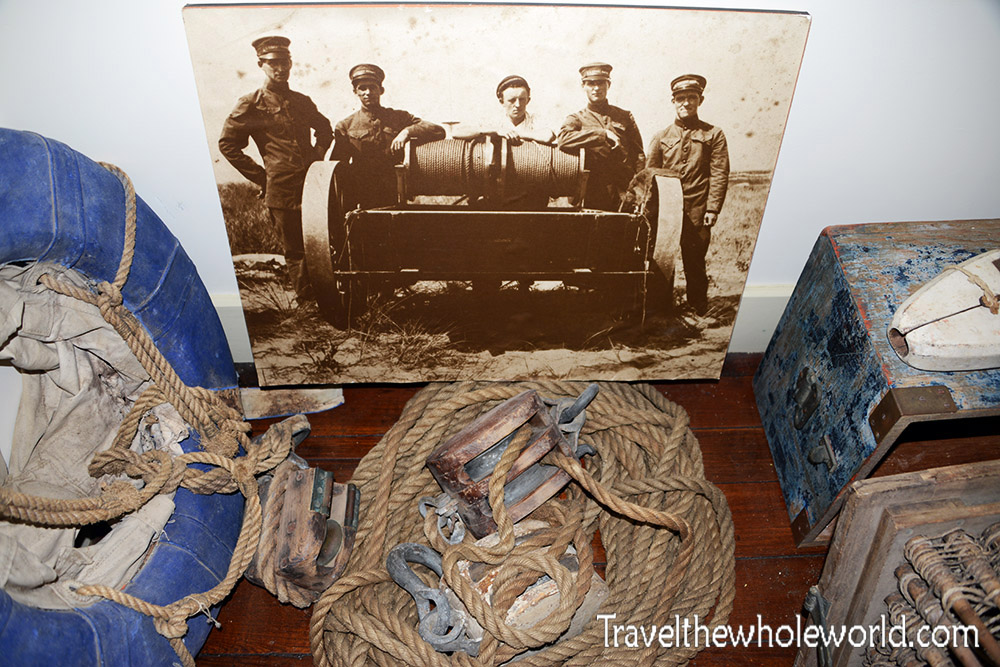
Before modern rescue boats and communications, lifesaving crews stationed along dangerous stretches of the American coast had an extremely difficult job. If a vessel wrecked close enough to shore, rescuers could use specialized equipment to fire a line toward the ship and establish a connection that allowed people to be brought to safety. For wrecks farther offshore, crews sometimes had to launch small rescue boats directly into terrible weather. The museum photograph above shows one of these crews along with some of their equipment.

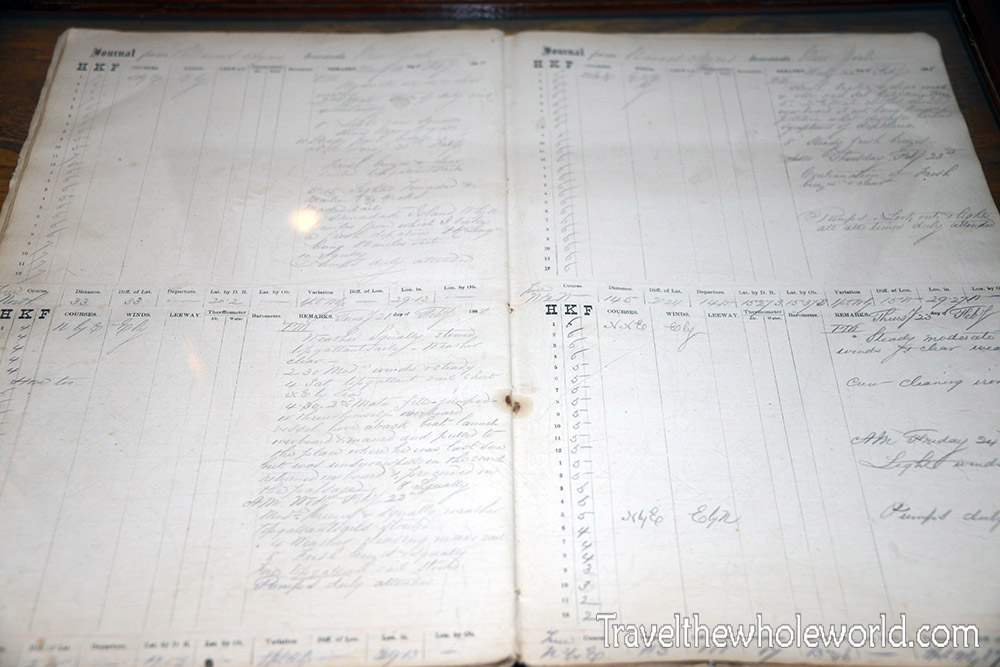
These last photos from the museum show more of Block Island’s maritime history. Above is an old sailing ship, while below is a 19th-century ship’s log recovered after a wreck. According to the exhibit, the vessel had traveled all the way from Montevideo, Uruguay, only to meet its end near Block Island.
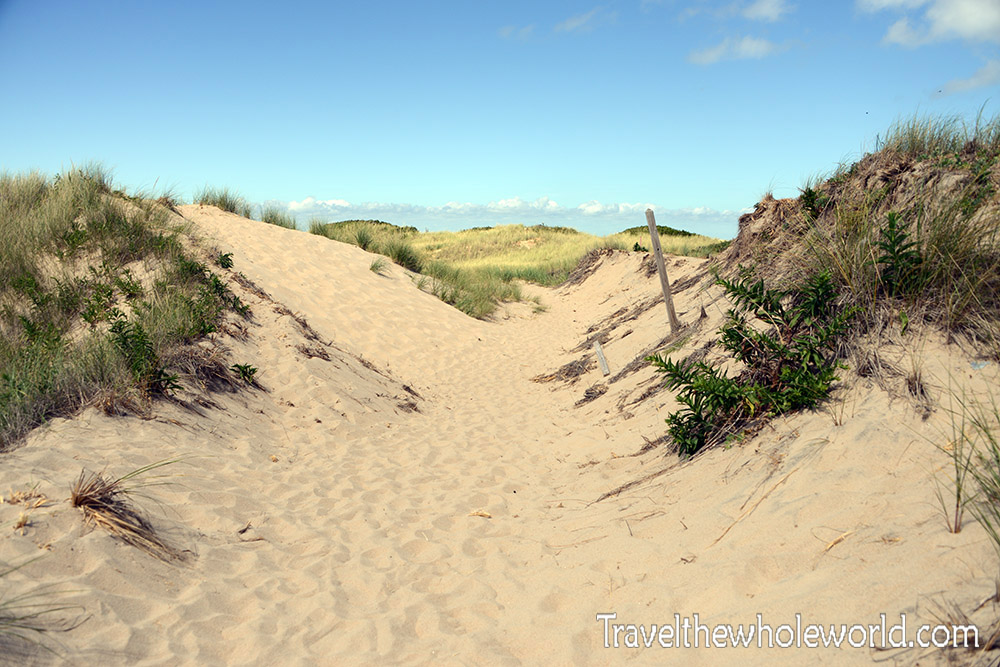
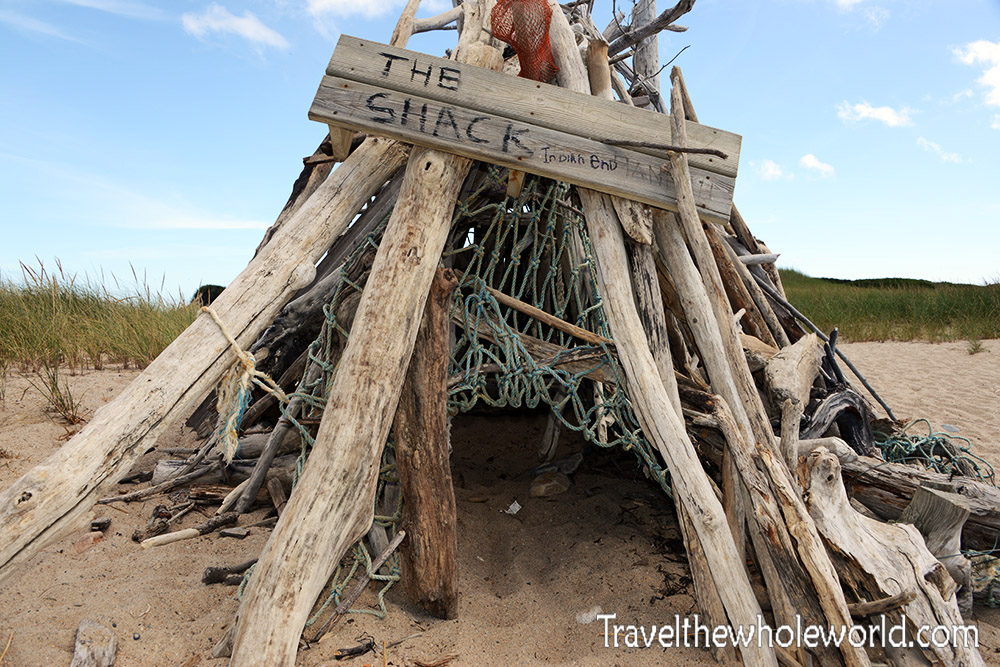
A short walk beyond the North Lighthouse takes you toward the northernmost point of Block Island. The trail crosses coastal dunes and passed this random little driftwood shack. I have no idea who built it or why, but it was another strange little thing I came across while exploring the island.
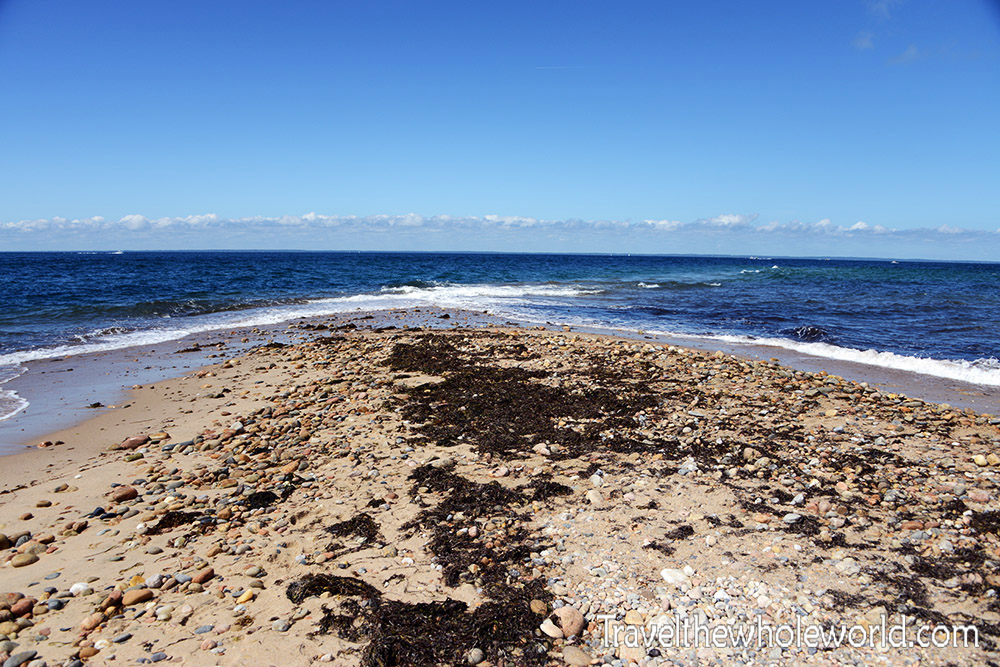
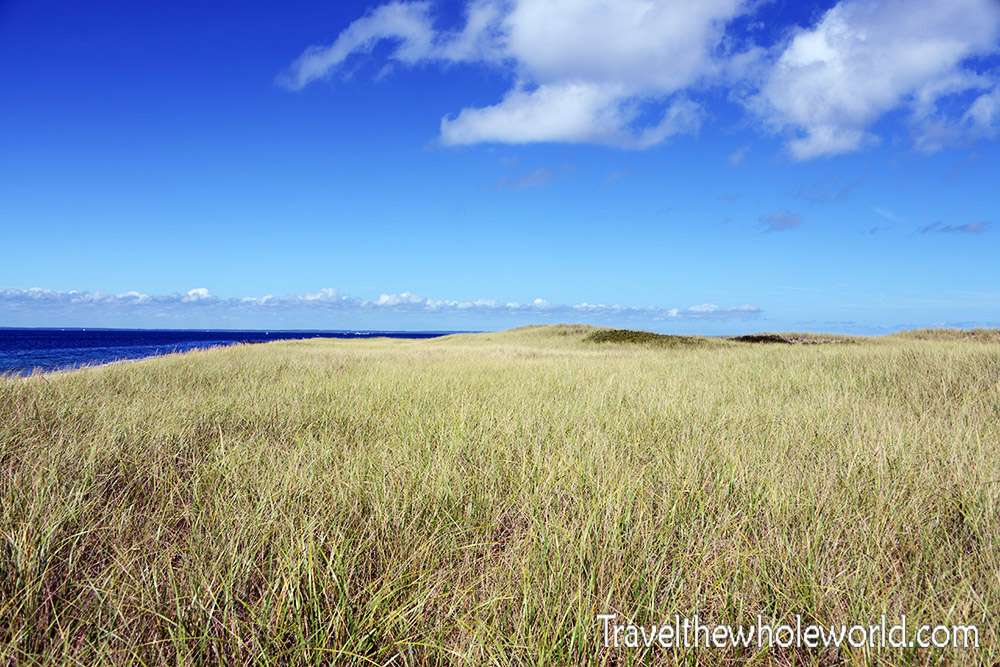
Eventually I reached the northern tip of the island. One of the interesting things here is watching waves and currents approach from different sides of Block Island and meet around the point. The photograph makes the area look fairly barren, but immediately behind the dunes are broad fields of coastal grass.
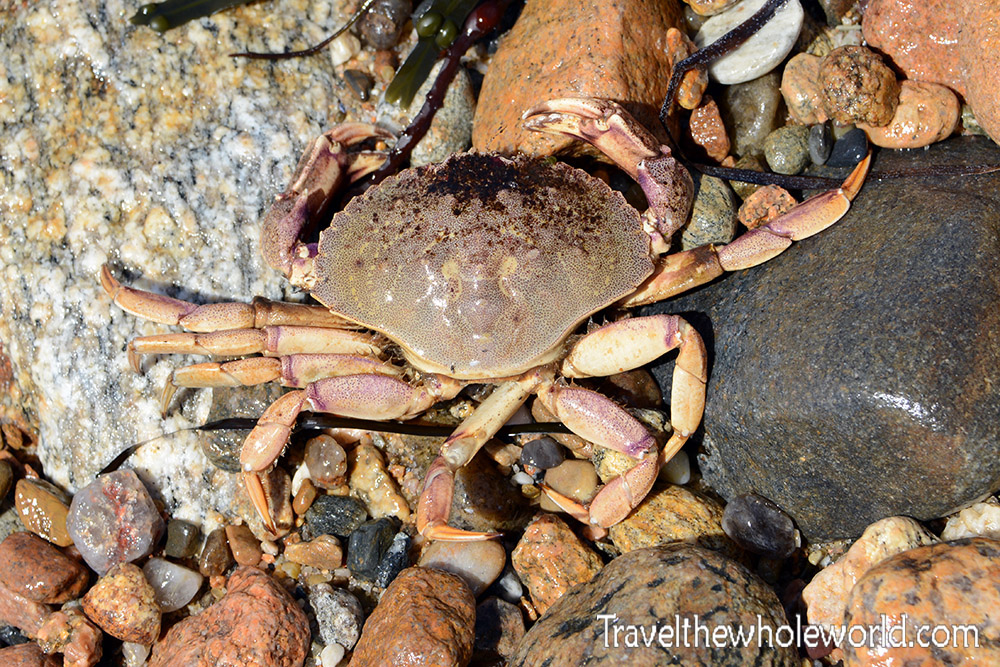
Whenever I hike along beaches I usually come across at least some marine life washed onto shore, so finding this crab wasn’t particularly unusual. The strange spiky tail below was another story. Whatever animal it belonged to was already badly decomposed, so I never figured out exactly what I had found. With the currents wrapping around the northern point, all kinds of debris and marine life seem to wash ashore here.

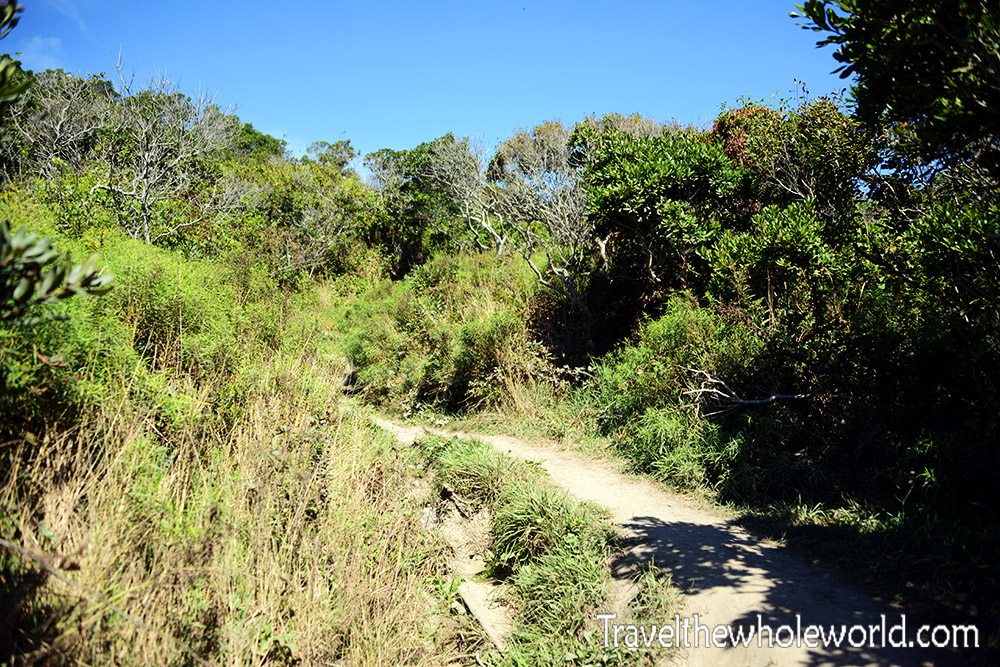
On the other side of the island I left my bicycle at a trailhead and did a short hike toward the coast. The trail dropped through dense vegetation toward the ocean, and I was definitely glad there was somewhere to leave the bike instead of trying to drag it down the hill.
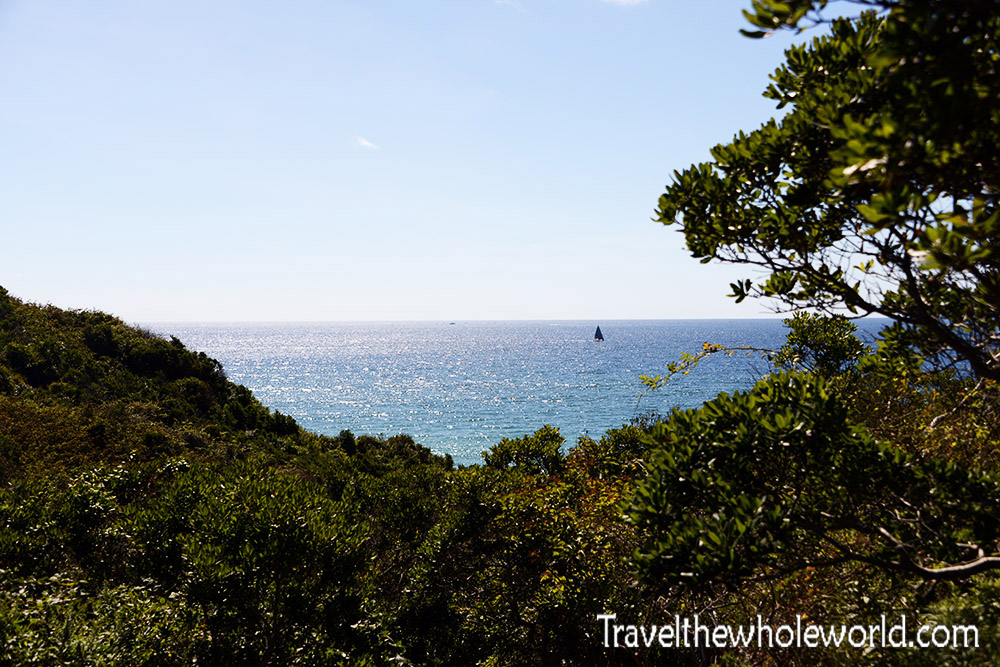
There weren’t many tall trees along the trail, but the vegetation was thick enough that I sometimes couldn’t see more than a few feet beyond the path. I passed flowers, insects, and even patches of honeysuckle before eventually getting this great view of the Atlantic.
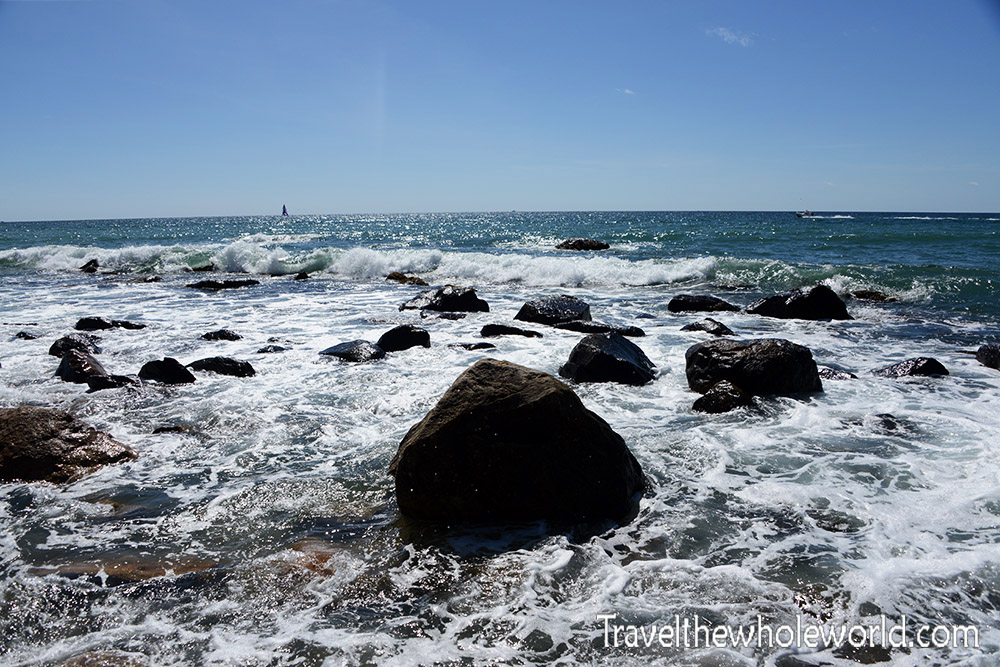
As I headed down the trail, I passed quite a few people climbing back toward the road, so I expected the shoreline to be crowded. Instead I practically had large sections of the coast to myself. This area is part of the Mohegan Bluffs, one of the most dramatic landscapes on Block Island.
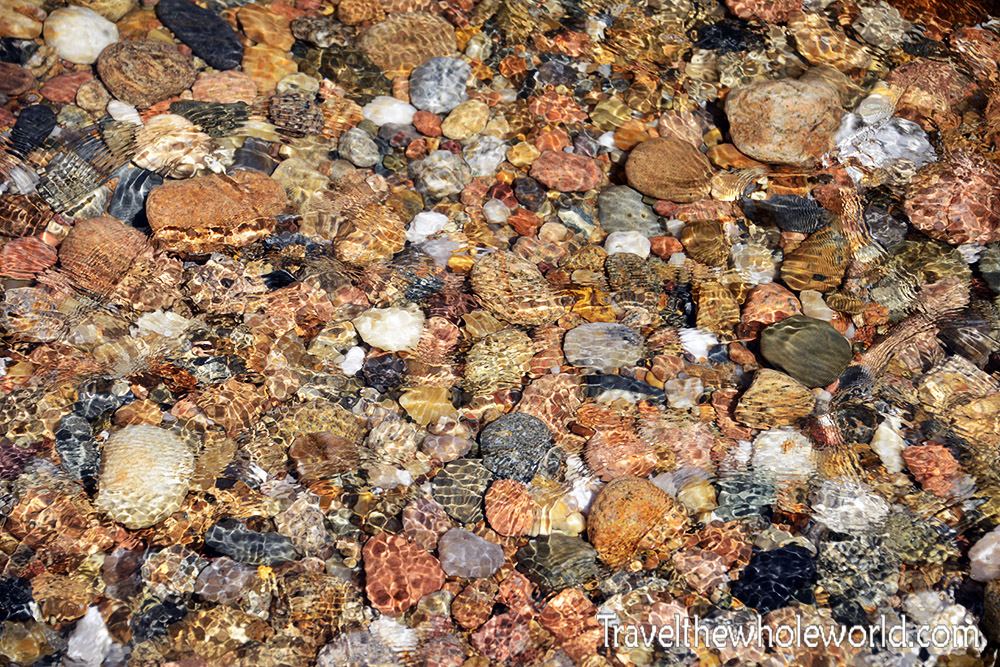
I walked along the shore in both directions. Heading one way eventually brought me toward sandier stretches with more people sunbathing, while the other direction became much rockier. The waves had polished many of the stones smooth, ranging from colorful pebbles to huge rounded boulders.
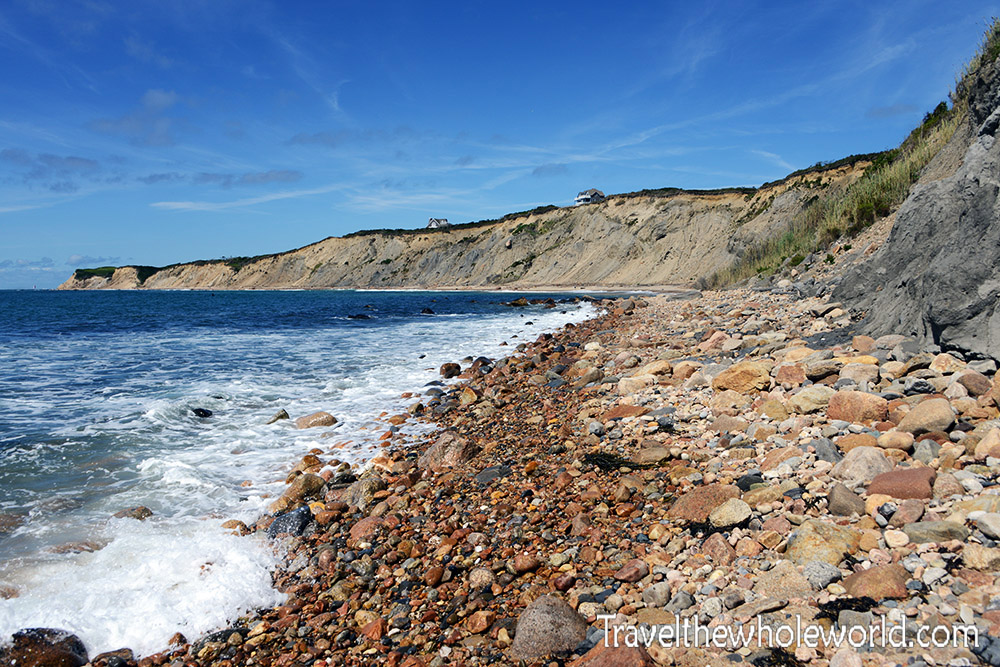
The bluffs rise as high as roughly 150 feet above the shoreline and create some of the best scenery anywhere on Block Island. The cliffs are constantly being reshaped by erosion as Atlantic storms and waves slowly wear away the coastline. That same erosion is what eventually forced the Southeast Lighthouse to be moved inland.
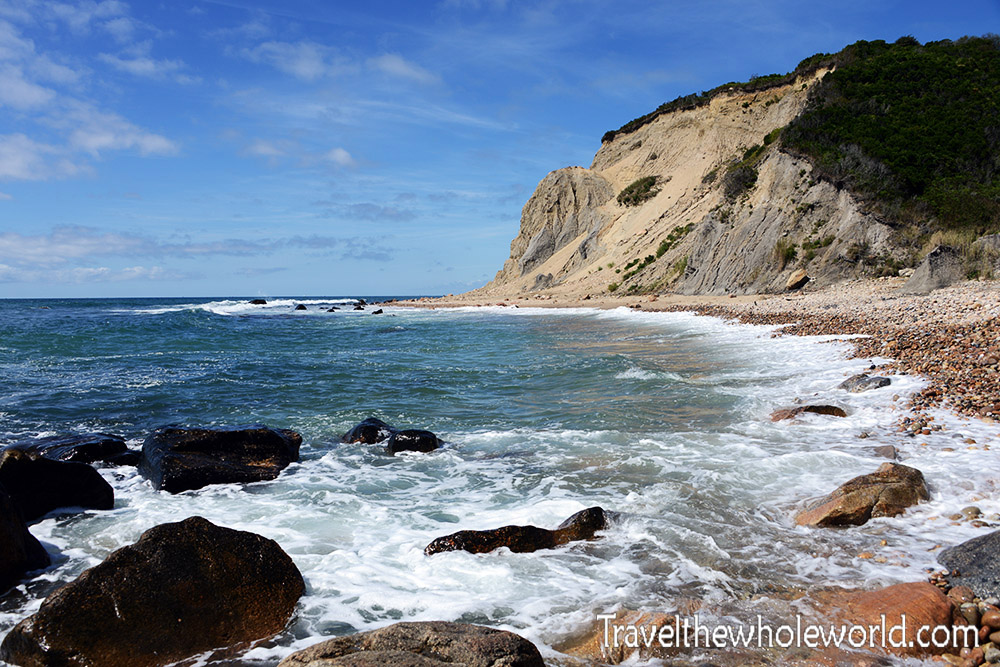
To me, Mohegan Bluffs was easily the most scenic part of the island and possibly my favorite landscape anywhere in Rhode Island. Growing up around the relatively flat coastline of Virginia, I’m used to thinking of dramatic sea cliffs as something I’d need to travel to California, Oregon, or another country to see. Finding scenery like this on the East Coast was a great surprise.
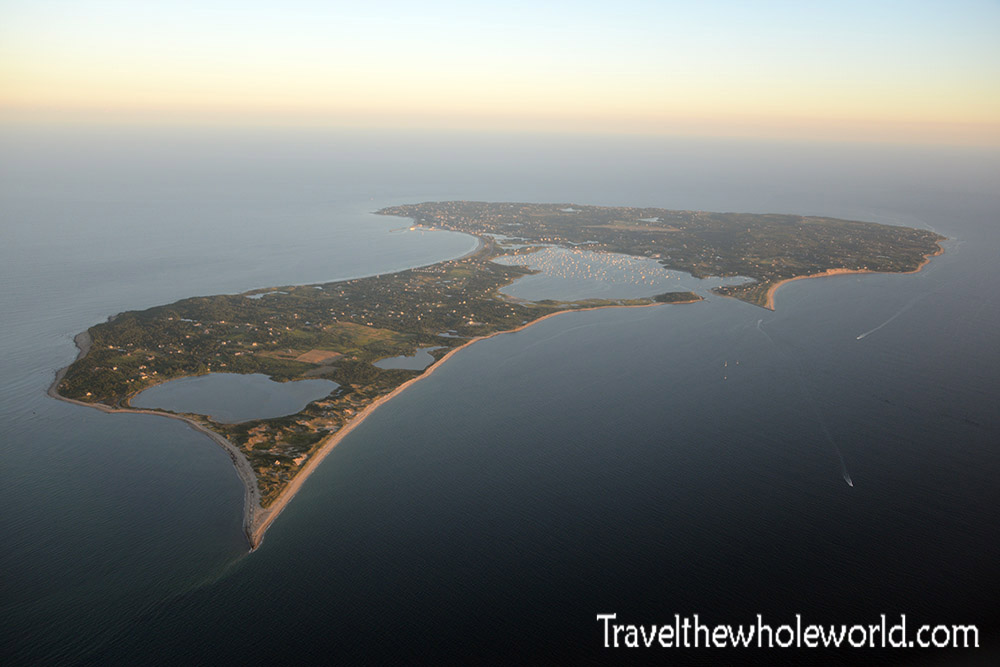
Block Island ended up being one of the highlights of New England for me. Many of my trips to this part of the country have involved suffering in the White Mountains of New Hampshire, so it was nice to have an adventure where I could relax without worrying about frostbite, whiteouts, or some miserable mountain weather.
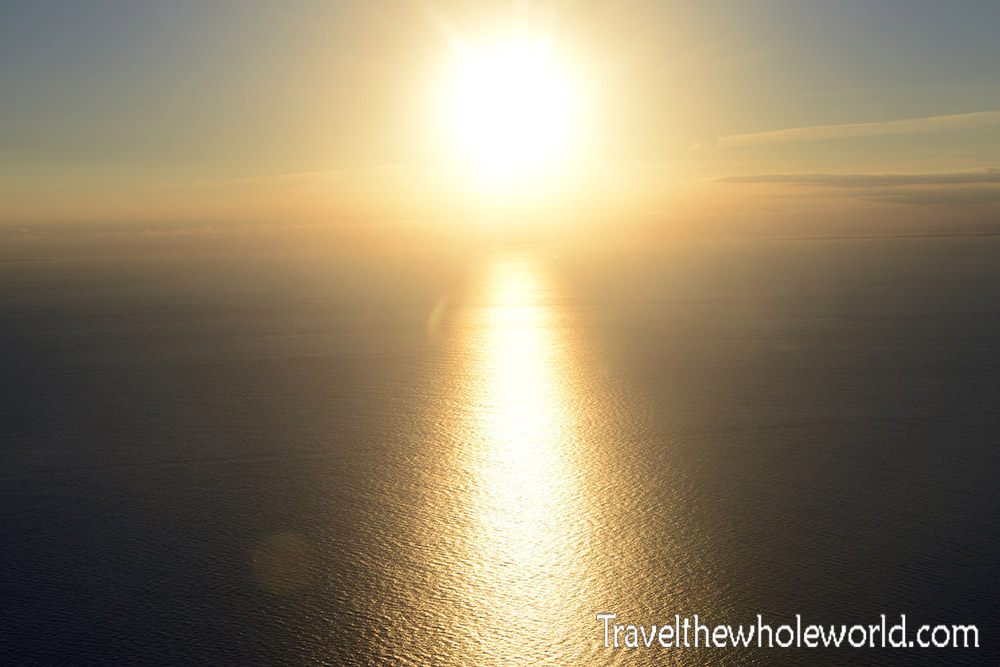
My mini adventure also had the perfect ending. When I boarded the tiny plane back to the mainland, I discovered that I was the only passenger. The sun was setting and the skies were beautiful. It was too loud inside the propeller plane to really talk with the pilot, but he motioned that he’d make a flyby so I could get one last look at the entire island from the air. After spending the day biking from one end of Block Island to the other, seeing it all from above again was a pretty perfect way to leave.