Puerto Rico is a tropical Caribbean island with a fascinating mixture of Spanish, Caribbean, and American influences. Its colonial history stretches back more than 500 years. Christopher Columbus arrived on his second voyage to the Americas in 1493, and Spain began colonizing the island soon afterward. Puerto Rico remained under Spanish control for roughly four centuries until the Spanish-American War, when the United States invaded the island in 1898. Spain ceded Puerto Rico to the United States later that year, and today it remains a U.S. territory. That long history has left Puerto Rico with a culture that feels distinctly Caribbean while also having strong Spanish and American influences.
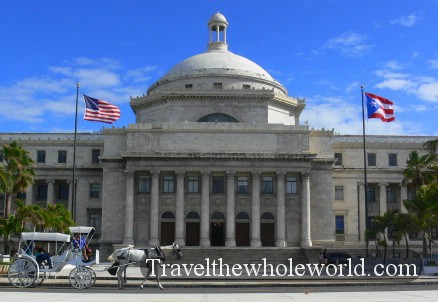
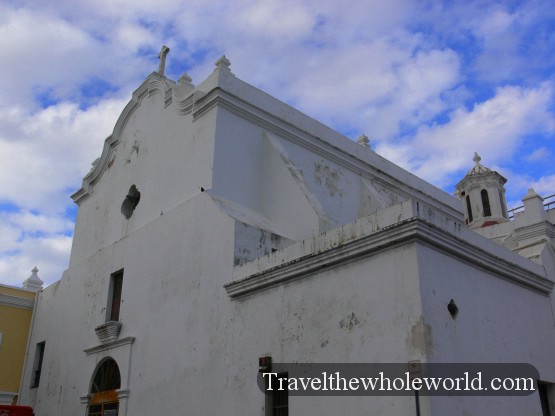
San Juan is one of the oldest European-established cities in the Americas, and its history is visible throughout the old city. On the left is Puerto Rico’s Capitol building, completed in 1929 and home to the island’s Legislative Assembly. On the right is San José Church in Old San Juan. Construction began in the 16th century, making it one of the oldest surviving Spanish colonial churches in the Americas. Walking around this part of San Juan, you constantly come across buildings representing completely different periods of Puerto Rico’s history.
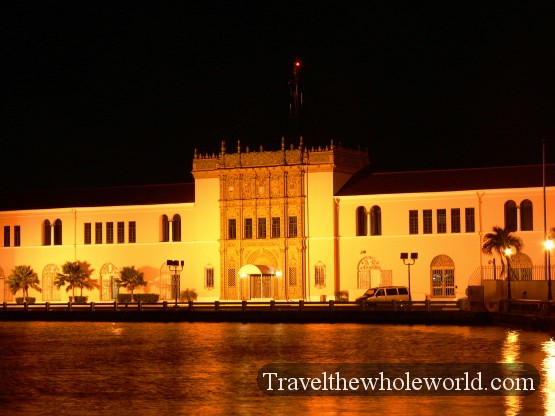
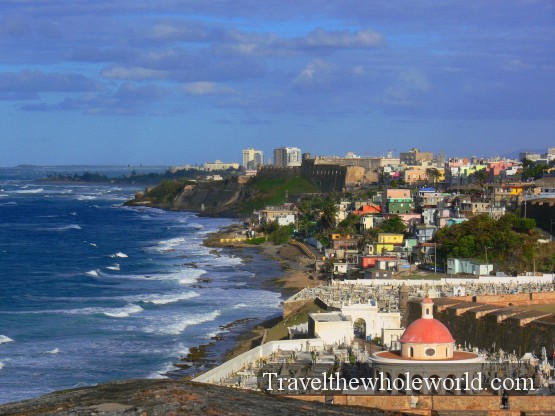
Puerto Rico is also one of the easiest Caribbean destinations for Americans to visit. U.S. citizens traveling from the mainland don’t need a passport, and San Juan is a major destination for Caribbean cruises. On the left is the historic customs building along San Juan’s harbor, where cruise ships regularly bring thousands of visitors into the city. On the right is a view toward La Perla, the colorful neighborhood sitting between Old San Juan’s historic walls and the Atlantic Ocean.
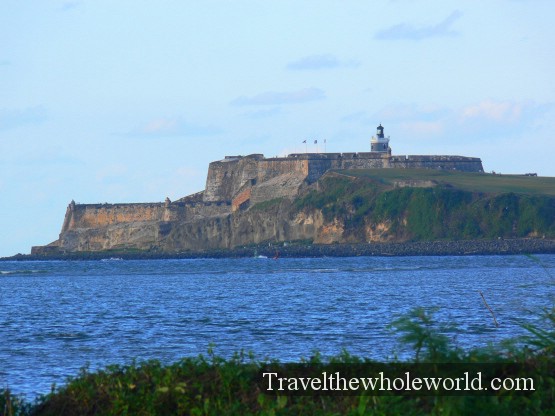
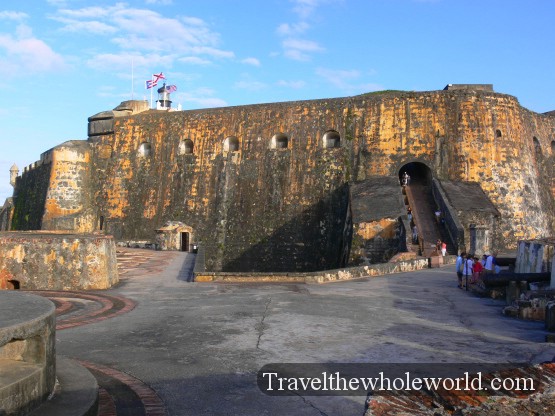
One of San Juan’s most impressive landmarks is Castillo San Felipe del Morro, usually called El Morro. Spain began constructing the fort in the 16th century to defend the entrance to San Juan Bay, and the fortifications continued to expand over the following centuries. El Morro saw attacks from several European powers as they fought for control of the Caribbean. The United States later incorporated the old Spanish fortifications into its own coastal defenses, and military installations were still being used here during World War II.
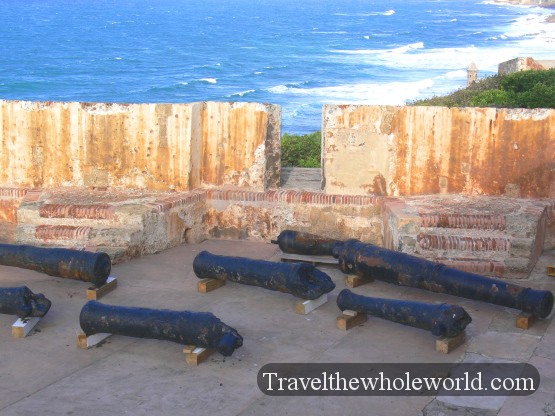
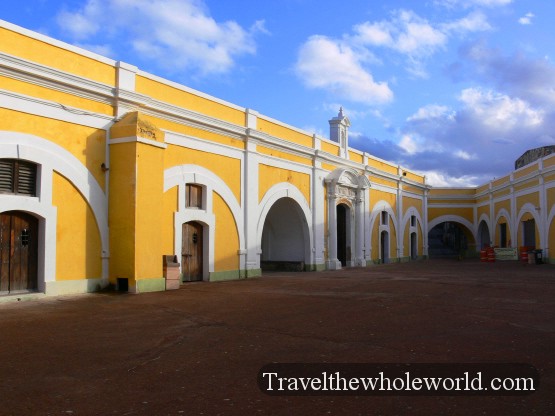
Inside the fort you can explore old cannon positions, barracks, passageways, and defensive walls overlooking the ocean. It’s one of those places where the location is almost as impressive as the history. From the walls you get sweeping views of the Atlantic and the entrance to San Juan Bay, making it easy to understand why controlling this position was so important.
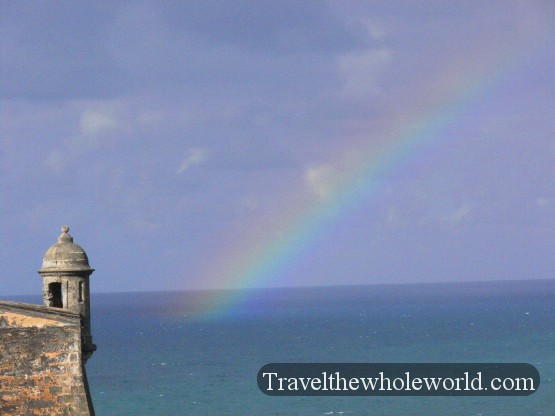
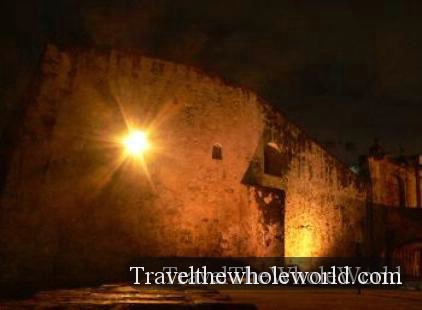
Only about a mile away is another massive Spanish fortification, Castillo San Cristóbal. While El Morro primarily protected San Juan from attacks coming from the sea, San Cristóbal was designed to protect the city from an attack by land. The defenses were greatly expanded during the 18th century and eventually became the largest fortification built by Spain in the Americas. Together, El Morro and San Cristóbal make Old San Juan one of the most impressive colonial defensive complexes I’ve visited.
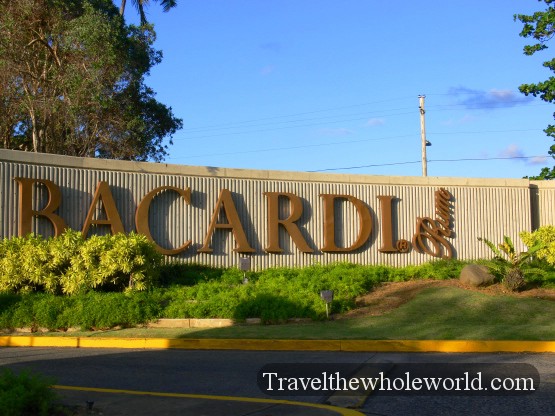
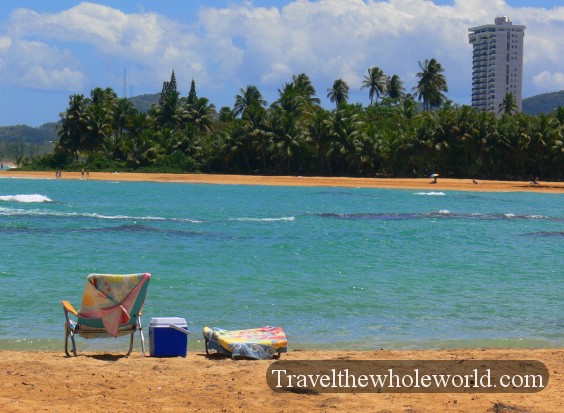
Of course Puerto Rico isn’t all history. Rum has long been an important part of the island’s economy, and across the bay from San Juan is the enormous Bacardi distillery. Puerto Rico is also surrounded by the type of tropical beaches you’d expect from a Caribbean island. The beach on the right is in Luquillo, east of San Juan. Between the warm weather, beaches, mountains, and rum, Puerto Rico has plenty to offer even if you have no interest in spending your entire trip exploring historic forts.
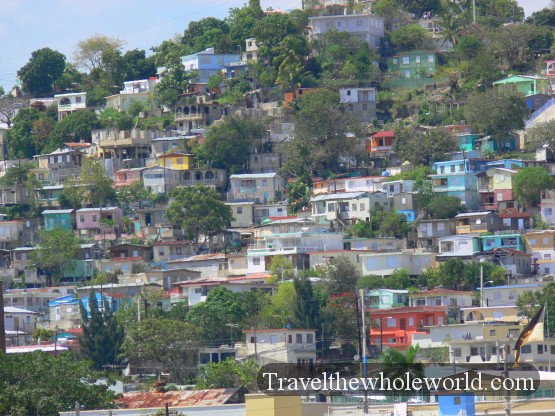
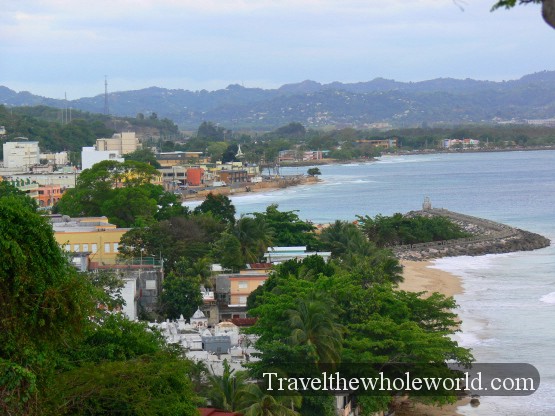
Once you leave San Juan, Puerto Rico has plenty of smaller cities and towns to explore. Parts of the island are heavily developed and filled with familiar American businesses, but there are still neighborhoods where the Caribbean and Spanish influences are much more noticeable. The photo on the left is from Ponce on the southern side of the island, while the one on the right is from Aguadilla along the western coast.
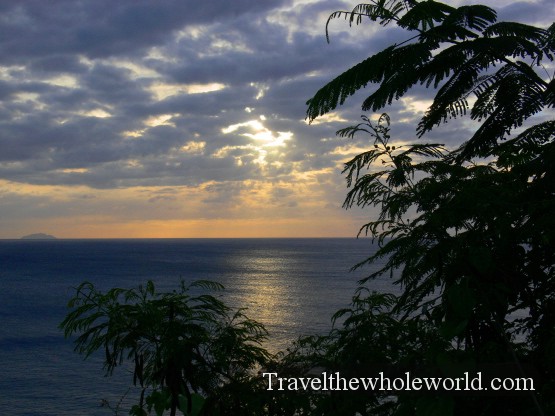
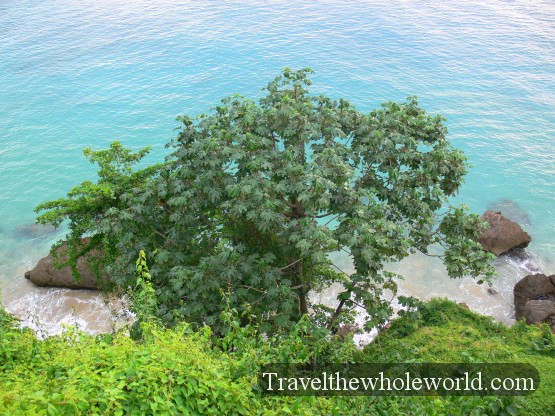
I especially liked the scenery along Puerto Rico’s western coast. These two photos were taken around Aguadilla, where the coastline gave me some beautiful views around sunset. Traveling around the island instead of staying entirely in San Juan gave me a much better idea of how varied Puerto Rico actually is.
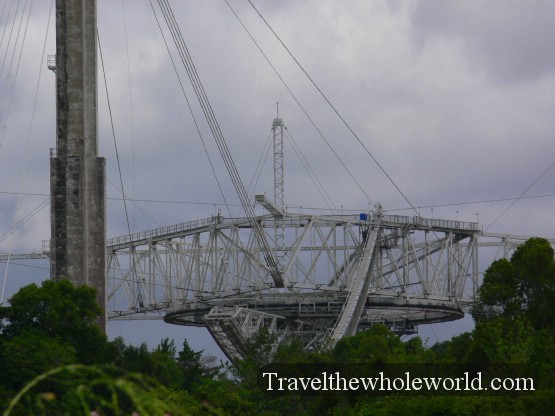
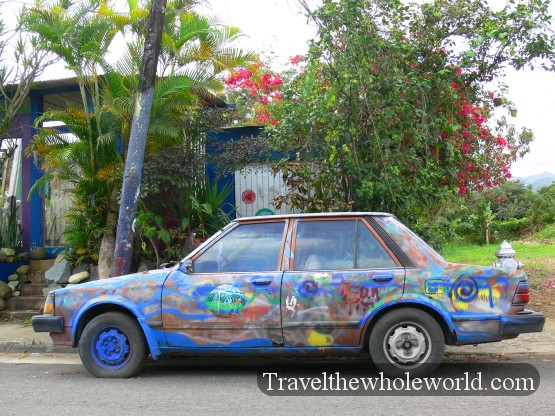
If you’ve seen the James Bond movie GoldenEye, you might recognize the Arecibo Observatory. Although the movie portrayed the location as being in Cuba, those scenes were actually filmed here in Puerto Rico. Unfortunately the observatory was closed when I visited, so this was the best view I could get. At the time, the enormous 305-meter radio telescope was one of the most famous scientific instruments in the world and had been used for astronomy, atmospheric research, and radar observations of objects in our solar system. Sadly, the telescope suffered a catastrophic collapse in 2020, so the Arecibo I photographed no longer exists in this form.
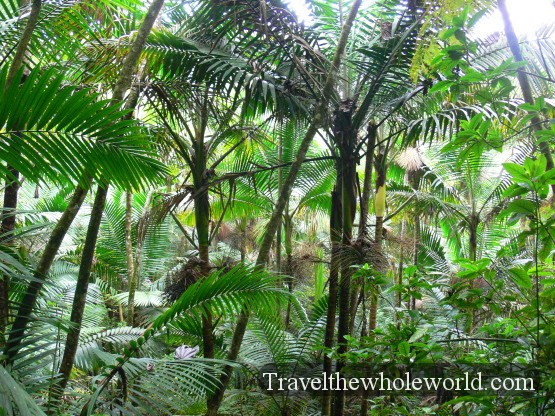
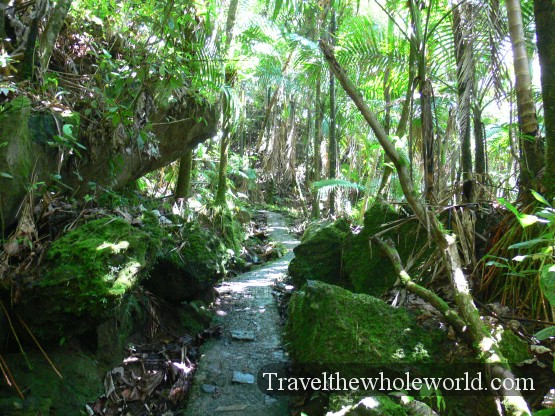
One of my favorite places in Puerto Rico was El Yunque National Forest, a tropical rainforest less than an hour from San Juan. The forest has miles of hiking trails climbing through dense vegetation toward mountain peaks, observation points, and waterfalls. I spent an entire day hiking here, starting around sunrise. As I climbed through different elevations, the vegetation seemed to constantly change, from relatively dry sections to damp areas covered in moss and thick tropical growth.
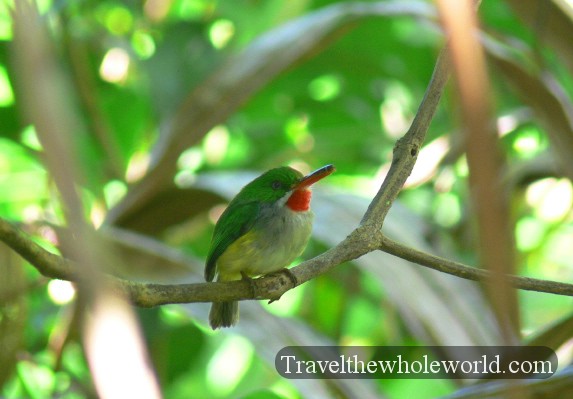
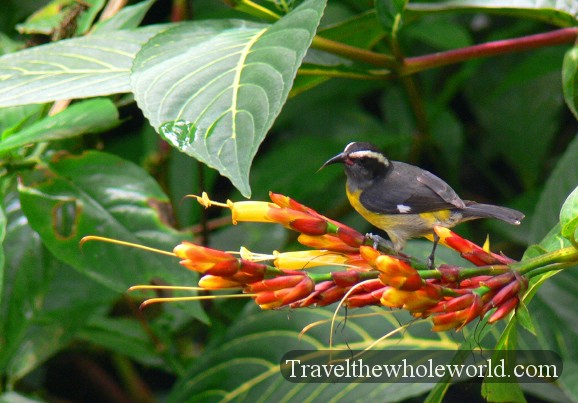
Here are two birds I managed to photograph while hiking in El Yunque. On the left is a bananaquit and on the right is a Puerto Rican tody. Puerto Rico was before I became serious about photography, and I remember these being some of my first wildlife photos that I was actually somewhat proud of. I’ve obviously done much better since, but I had a lot of fun hiking through the rainforest and practicing. I also came across a hummingbird and a mongoose along the trail, but both disappeared before I could get a decent photograph.
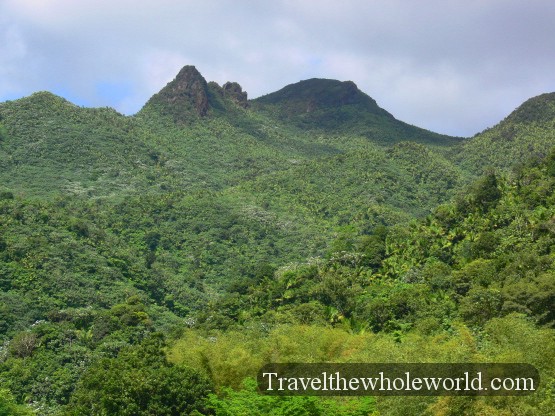
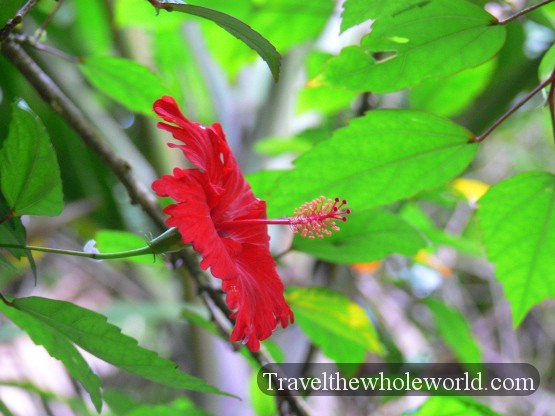
Along some of El Yunque’s trails are observation towers that give you a bird’s-eye view across the surrounding mountains and rainforest. Nothing makes me happier than looking out and seeing almost nothing but wilderness. Between the mountain views, tropical plants, birds, and waterfalls, I easily spent a full day exploring the forest.
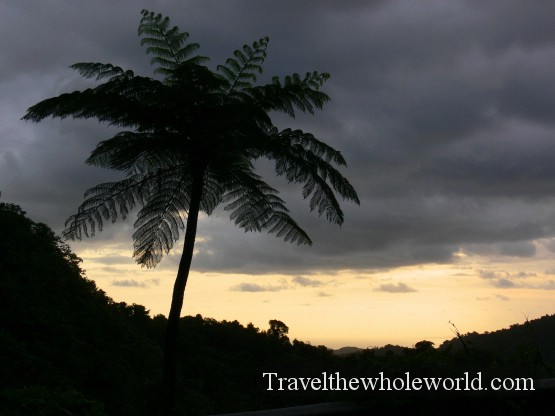
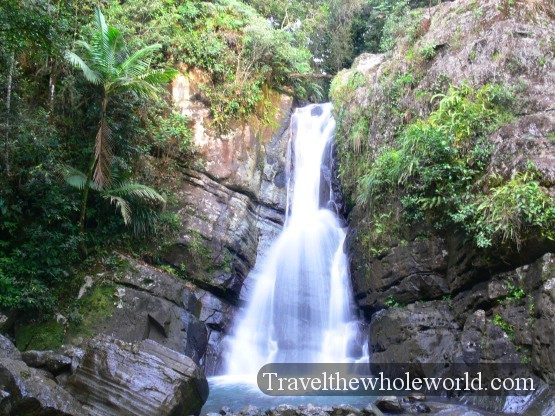
I hit the trails around sunrise, which gave me most of the day to explore. Waterfalls are scattered throughout the forest, and with so much rain falling in these mountains, water seems to be everywhere. Strangely enough, despite spending quite a bit of time hiking through a rainforest, I don’t remember getting caught in any rain during my trip.
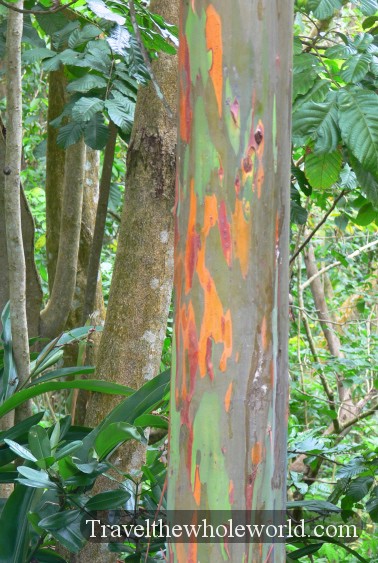
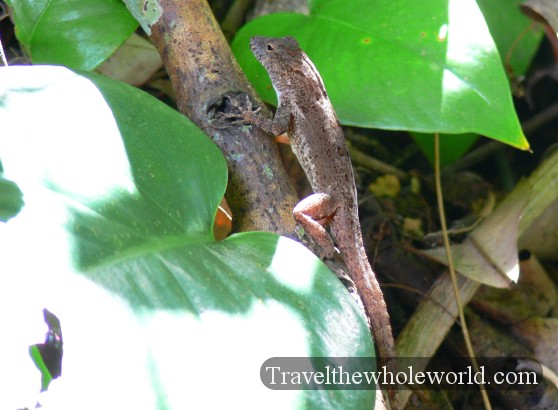
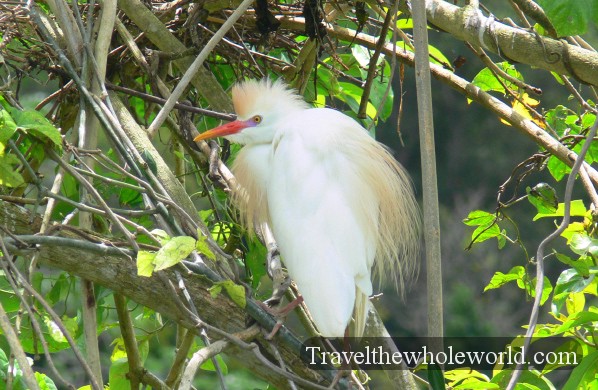
El Yunque isn’t the only place to find interesting plants and wildlife on the island. I took these photos in different parts of Puerto Rico. The colorful bark on the tree to the left is completely natural, while the other photos show one of the many lizards I encountered and a cattle egret. For a relatively small island, Puerto Rico has an impressive variety of environments and wildlife.
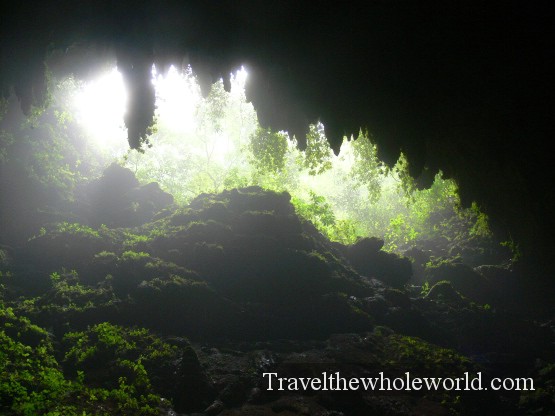
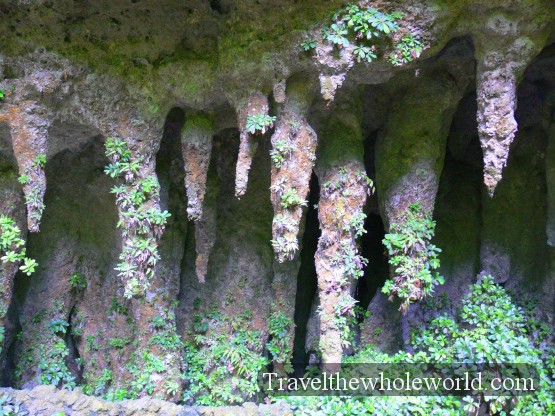
Another completely different side of Puerto Rico can be found underground. Río Camuy Cave Park protects part of an enormous cave system carved through the island’s limestone by the Camuy River. The main caverns are massive, with ceilings towering overhead and colonies of bats living in the darkness. The caves also contain stalactites, stalagmites, underground passages, and sections where the river continues flowing beneath the surface.
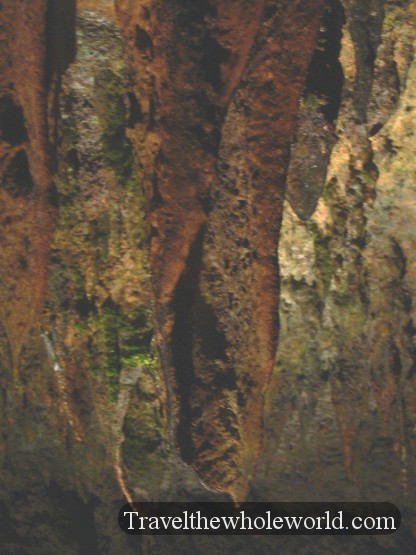
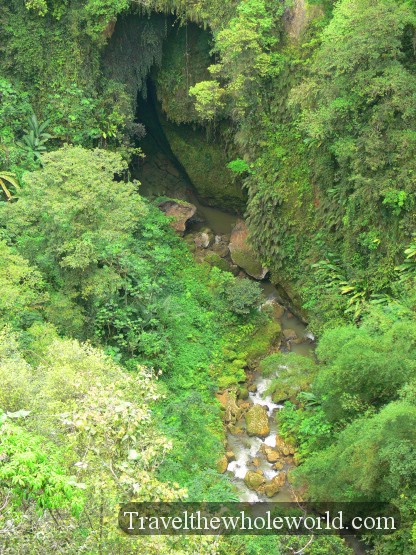
One of the most impressive features is where portions of the cave ceiling collapsed, creating enormous sinkholes open to the sky. Vegetation now covers the walls while the river disappears back underground into the cave system. Between the giant caverns and these lush openings, Río Camuy felt completely different from both the beaches and the rainforest I had already explored elsewhere on the island.
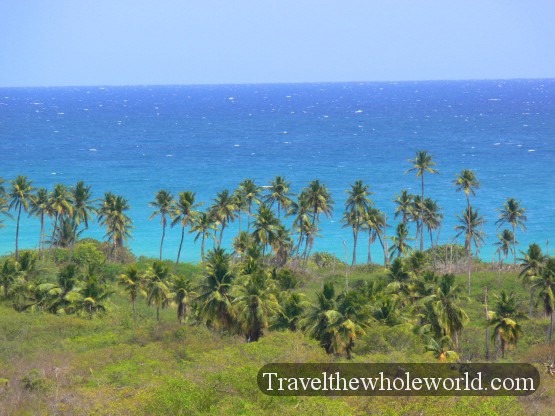
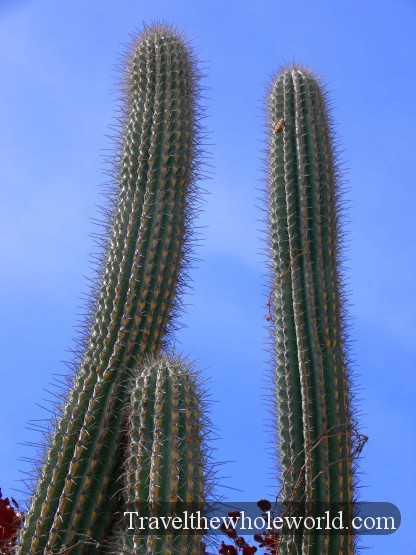
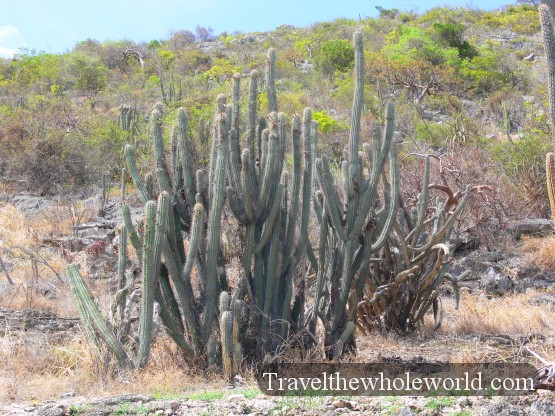
One of the biggest surprises for me was how dramatically the landscape changes in southwestern Puerto Rico. After hiking through the wet tropical vegetation of El Yunque, I visited Guánica, where the environment is much drier. Guánica State Forest is a subtropical dry forest filled with cacti, scrub, and other plants adapted to receiving far less rainfall. Looking at these photos, you could almost believe they were taken on a different island.
The photo on the left looks out toward the Caribbean Sea from the Guánica area. Like so many other parts of Puerto Rico, the coastline was popular with local families enjoying the water. That variety is probably what surprised me most about traveling around the island. Within a relatively short distance you can go from centuries-old Spanish forts to tropical beaches, mountain rainforest, enormous caves, and cactus-filled dry forest. Puerto Rico turned out to have far more variety than I expected when I first arrived.