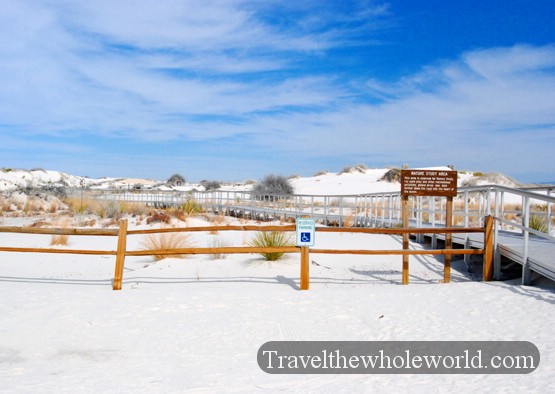
In southern New Mexico is one of the most unusual desert landscapes in the United States: White Sands National Park. The brilliant white dunes are made from gypsum crystals and stretch across roughly 275 square miles, creating the largest gypsum dune field in the world. From a distance the landscape almost looks covered in snow. Above is one of the boardwalks that passes through the dunes.
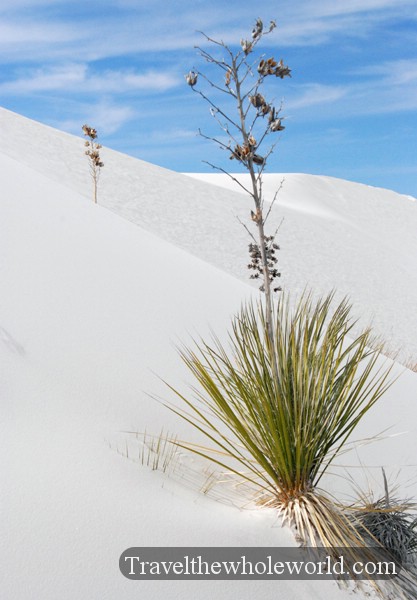
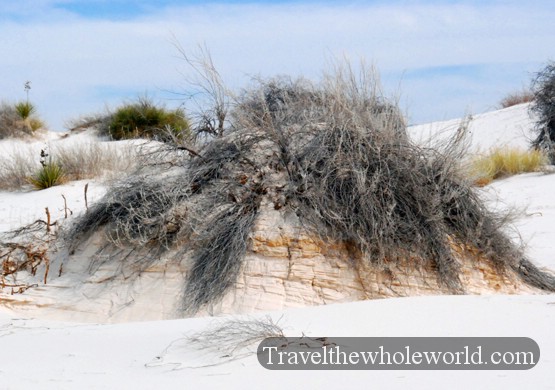
Because of the strong desert winds, the dunes are constantly shifting and can slowly bury the plants growing around them. Some species have adapted surprisingly well to these changing conditions. As the sand builds around them, they can grow upward quickly enough to remain exposed above the dune.
The strange part comes when the dune eventually moves on. Plants that had grown upward with the sand can suddenly lose the support around them, leaving long exposed stems that sometimes collapse under their own weight.
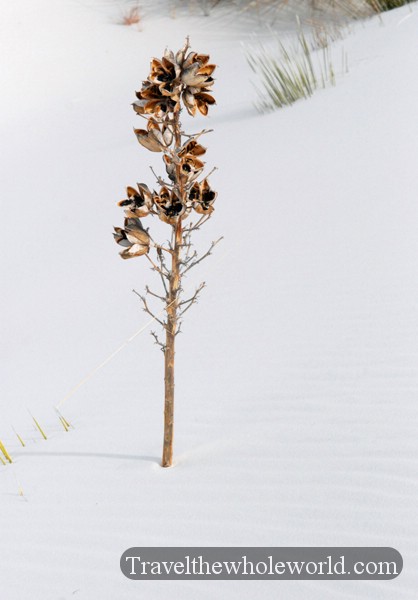
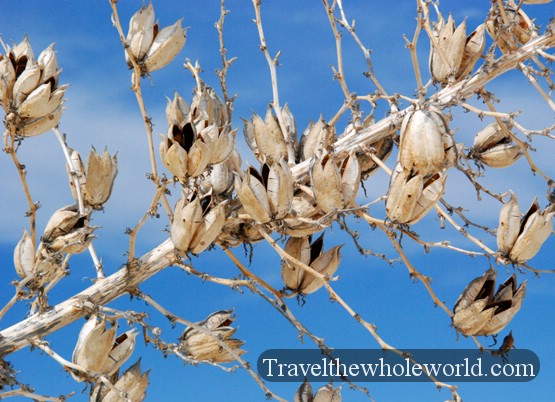
Some areas of White Sands really do look like snow from a distance. I thought the plant on the left looked as if it had just been buried during a winter storm. The plant on the right gave me the same feeling. It actually was winter when I visited, but winter in southern New Mexico can still mean temperatures around 60°F.
White Sands Missile Range
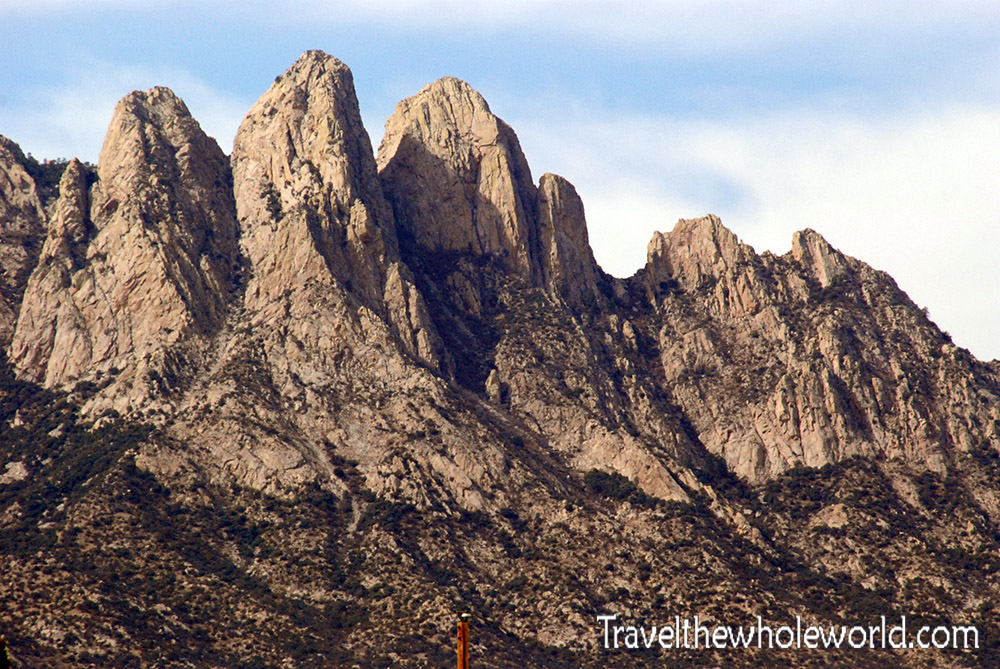
New Mexico’s second-largest city, Las Cruces, sits in the extreme south of the state near Texas and not far from the Mexican border. I only spent the night there and didn’t bring back many photos from the city itself. What stood out much more to me was the landscape around it.
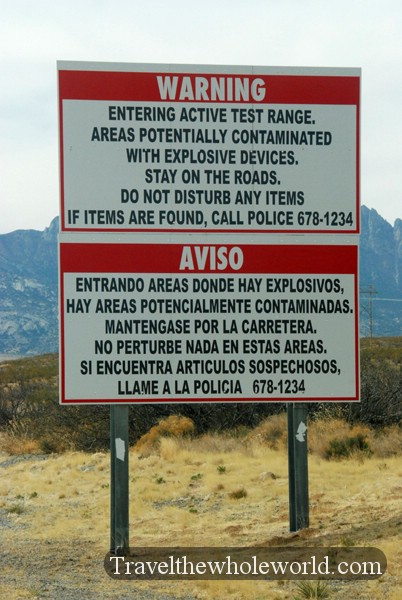
The Organ Mountains rise dramatically just east of Las Cruces, separating the city from White Sands Missile Range. The photo above shows the mountains, while the warning sign gives you an idea that this isn’t an ordinary stretch of desert.
Most of White Sands Missile Range is closed to the public because it remains an active military installation. The range has been used for missile testing and weapons research for decades, and surrounding roads and parts of White Sands can occasionally be temporarily closed during tests.
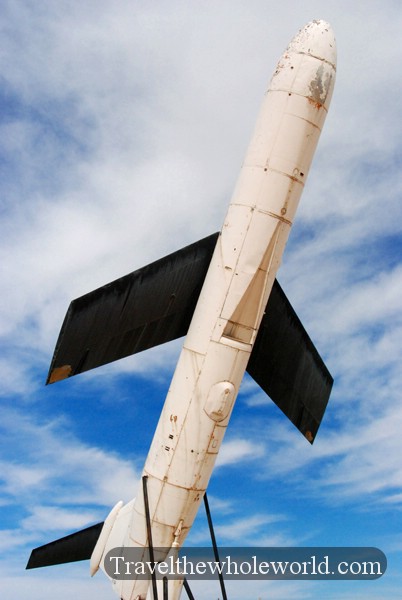
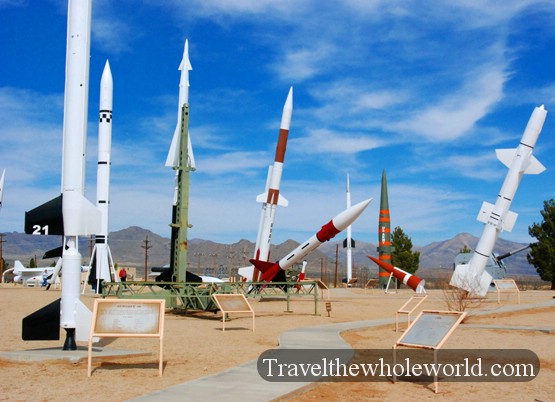
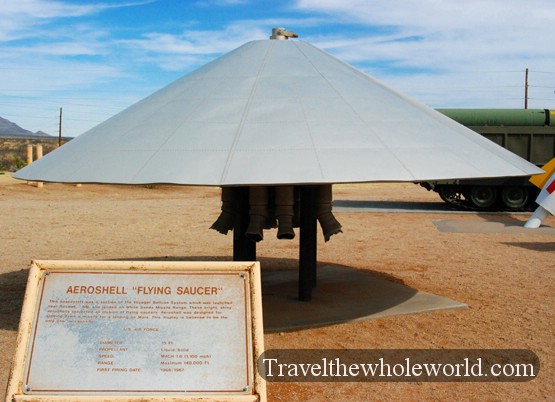
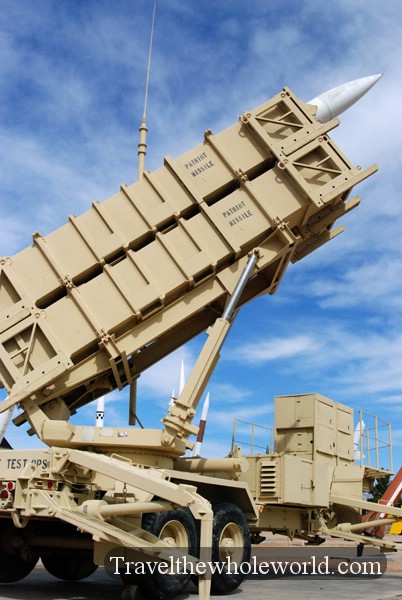
The missile range has displayed examples of weapons and aerospace technology connected to its long history of testing. Among the equipment I saw were several types of American missiles, including a Patriot launcher.
One of the stranger displays was the object above that looked like a flying saucer. It was actually an aeroshell designed for spaceflight rather than anything extraterrestrial. Considering New Mexico’s famous association with Roswell, the display even included a little humor about people mistaking such objects for UFOs.
The Trinity Site
White Sands Missile Range is also one of the most historically important locations in the history of nuclear weapons. On July 16, 1945, the world’s first atomic bomb was detonated here during the Trinity test. The test took place in a remote section of the range now known as the Trinity Site and marked the beginning of the nuclear age.
That combination is what makes this part of New Mexico so unusual. Within the same general region you can visit brilliant white gypsum dunes, drive beneath the jagged Organ Mountains, and explore an area that played a major role in the development of missiles, space technology, and the first atomic bomb.