New Jersey is one of America’s smallest states, but with millions of people packed into such a small area, it’s also the most densely populated state in the country. New Jersey doesn’t always have the best reputation in the United States, and many Americans associate it more with crowded cities and industry than tourism. A more brutal description I once heard from a friend who lived outside the state was, “New Jersey is the industrial wasteland that sustains New York.” In all honesty, some of the cities I visited weren’t especially impressive to me, but there are still plenty of places worth seeing. I’ve explored a good portion of New Jersey, including its cities, the rural northwest, and the beaches along the Atlantic coast.
Trenton
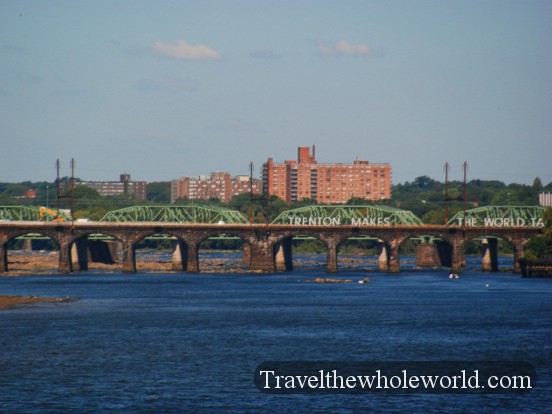
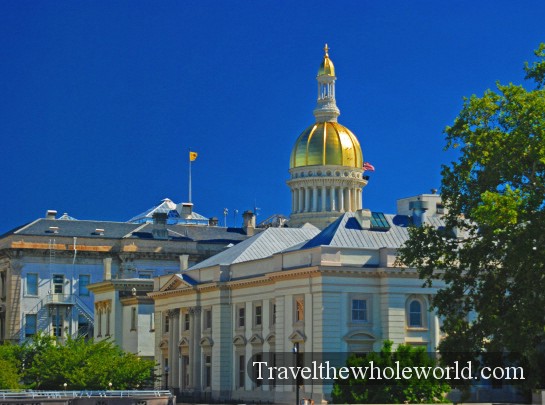
The capital of New Jersey is Trenton, a relatively small city along the Delaware River. The downtown area immediately surrounding the state capitol is pretty nice, although it’s only a few blocks. Above on the left is the Lower Trenton Bridge crossing the Delaware River with the famous words “Trenton Makes, The World Takes.” On the right is the New Jersey State House.
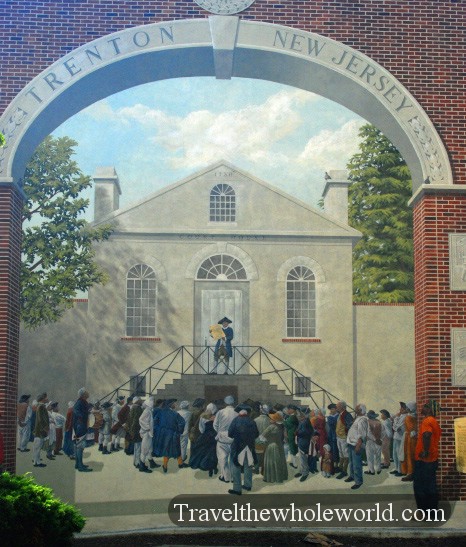
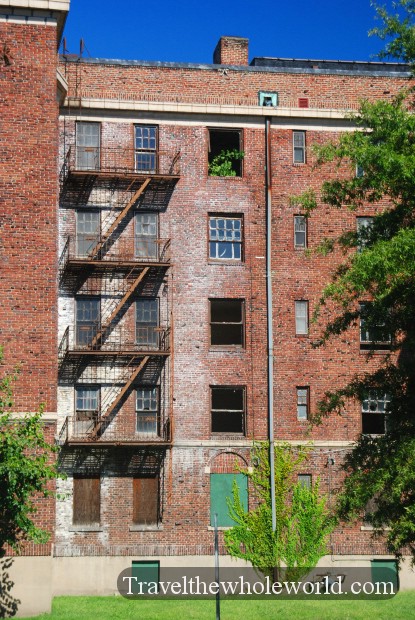
Trenton is one of America’s older cities, with European settlement dating to the early 1700s. It became New Jersey’s capital in 1790. On the left is a mural painted on one of the buildings showing life during the colonial era. Unfortunately, Trenton has struggled economically over the years, and some areas outside the main downtown were in rough condition when I visited. On the right is an abandoned apartment building I came across just outside the downtown area.
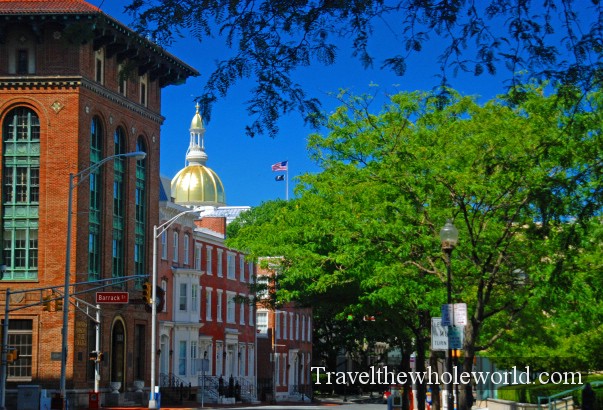
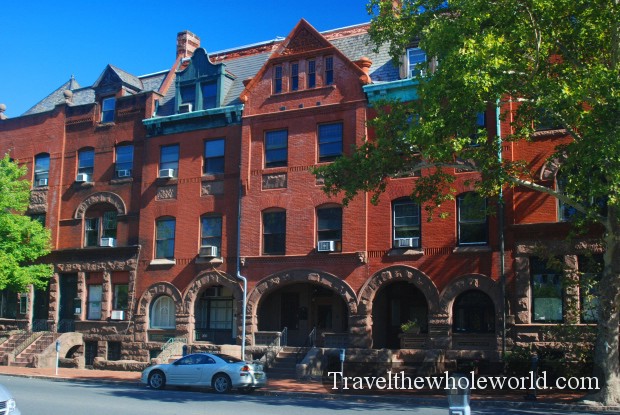
Above are a couple photos of the streets around the state capitol. Some of these buildings look like houses, but many were actually shops and small businesses. The Delaware River also runs directly beside the city and provides some additional places to explore.
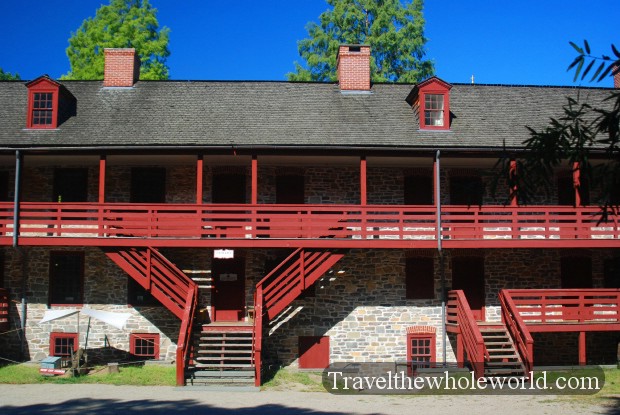
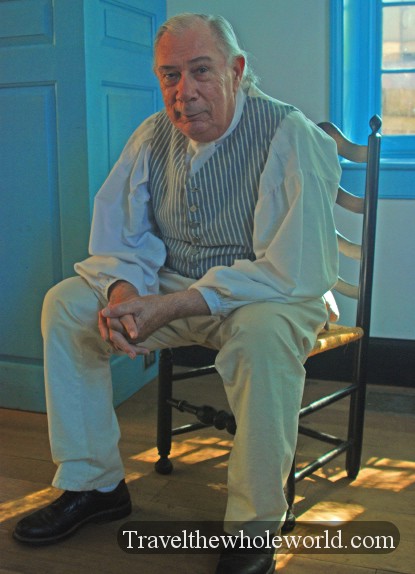
The most historically significant place I visited in Trenton was the Old Barracks. These are the only surviving barracks of five that were constructed in New Jersey during the colonial era to house British soldiers. Trenton later became famous during the American Revolution when George Washington crossed the Delaware River and launched a surprise attack against Hessian troops occupying the city. The American victory at Trenton provided a badly needed boost in morale after a series of defeats.
The barracks are explored through guided tours. I’m normally not a big fan of guided tours, but I enjoyed this one. There were demonstrations showing how tools, clothing, and other everyday items from the 1700s were used, and most of it was straight to the point without dragging on.
Camden and Jersey City
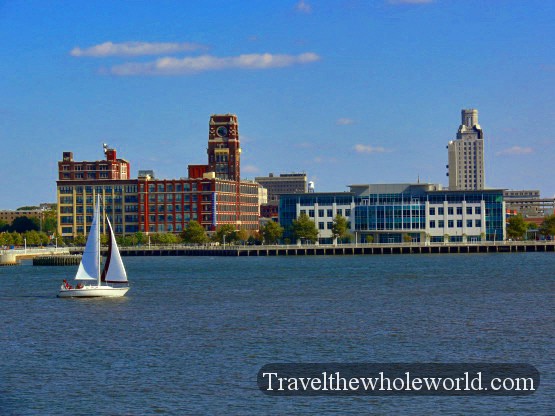
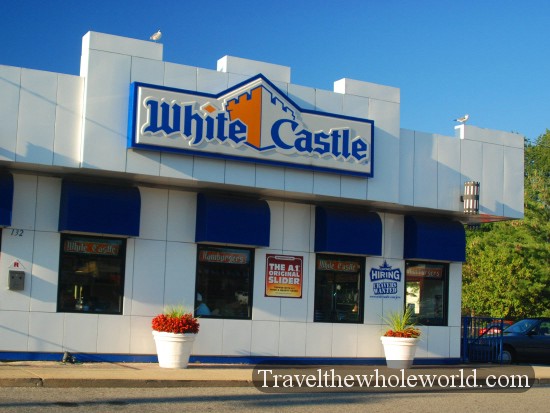
Other parts of New Jersey combine colonial history with heavily developed urban areas. I only passed by Camden, seen on the left from Philadelphia across the Delaware River. On the right is a White Castle, the famous fast-food hamburger chain. I had never heard much about White Castle until seeing Harold & Kumar Go to White Castle, a movie built around two guys trying to get there.
Newark

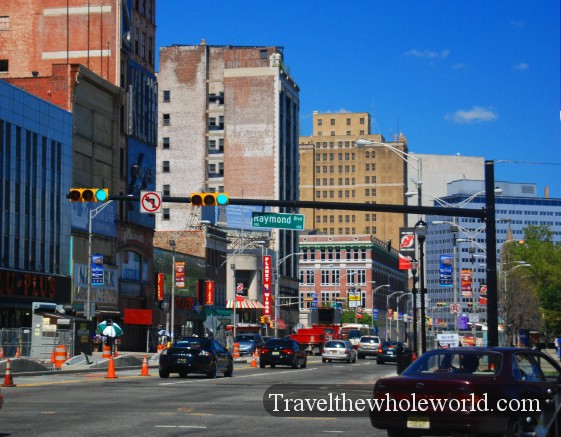
New Jersey’s largest city is Newark, located just outside New York City. Newark is also one of America’s oldest major cities. When I visited, it was probably the city in New Jersey that impressed me the least. Like almost every major city in the world, Newark has good and bad neighborhoods, but during my visit the contrast between the revitalized areas and struggling neighborhoods was especially noticeable. Above on the left is actually Jersey City, located across the Hudson River from Manhattan. On the right is part of Newark’s downtown shopping district.
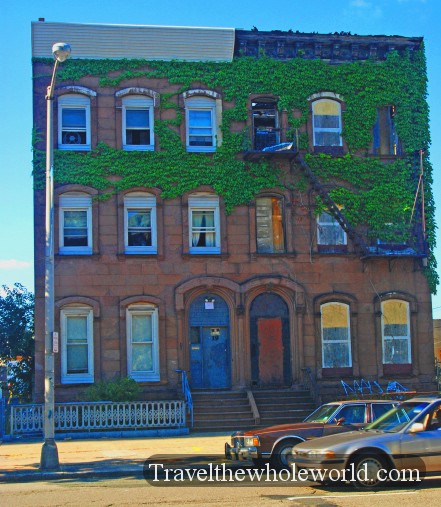
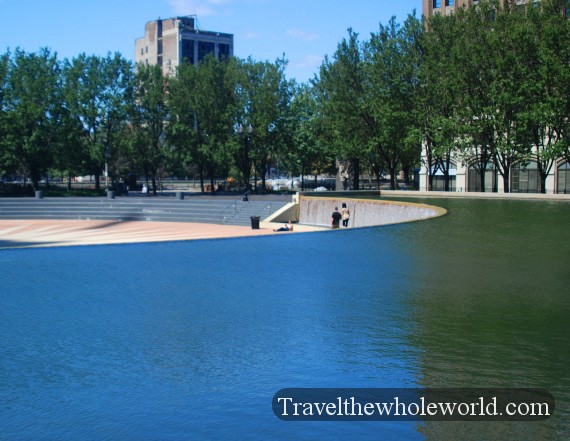
Newark’s decline has a complicated history. The city was already dealing with economic and demographic changes when five days of unrest in 1967 caused widespread destruction and accelerated the movement of residents and businesses out of the city. Decades of disinvestment followed. Newark has undergone considerable redevelopment since my visit, but many reminders of its difficult past were still obvious when I explored it. Above is an abandoned house being overtaken by ivy, while the photo on the right shows a large fountain in the city.
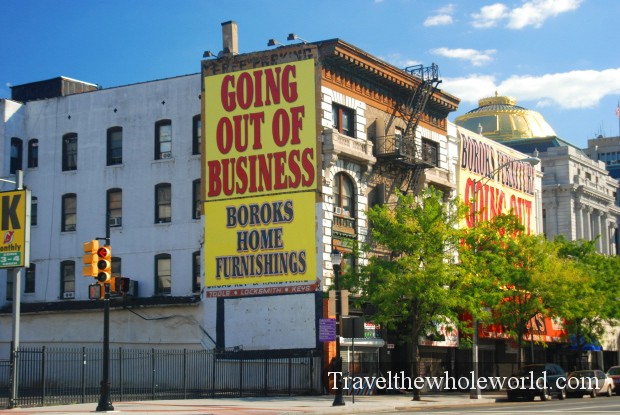
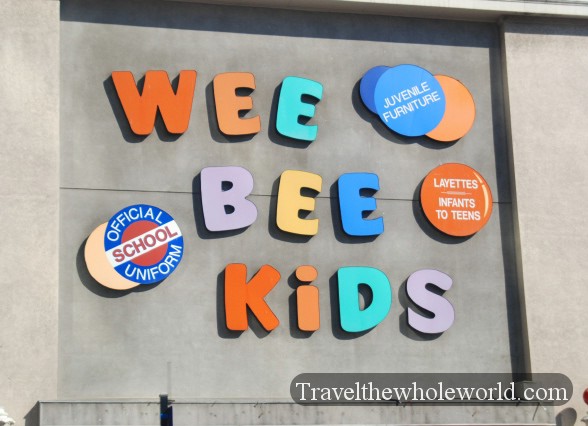
Broad Street is one of Newark’s major downtown streets and historically served as an important commercial corridor. Above is a photo of Broad Street with a large store going out of business, along with another store that caught my attention because of its funny name, “Wee Bee Kids.”
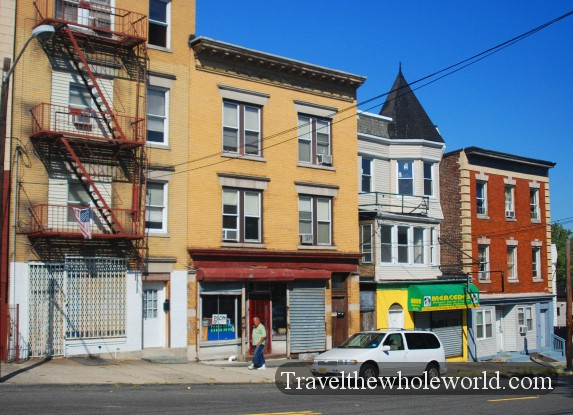
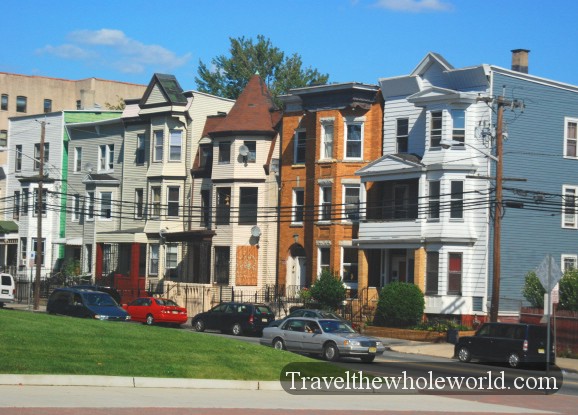
I walked several miles through Newark and passed through neighborhoods that felt very different from one another. Some areas made me uncomfortable enough that I kept my camera put away, while in others I felt comfortable stopping to take photographs. These were a couple of the residential areas I photographed along the way.
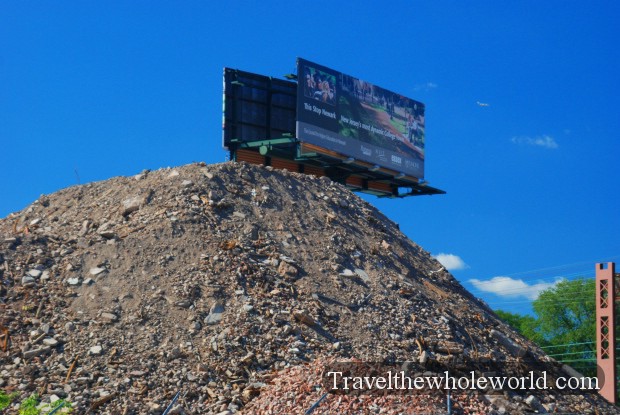
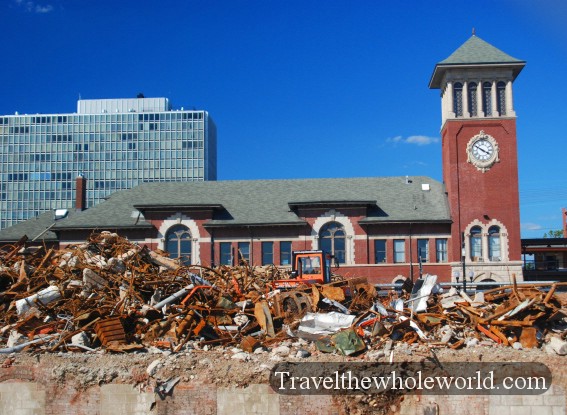
Large parts of Newark also seemed to be either abandoned or under construction when I visited. On the left is a huge pile of rubble from what appeared to be a demolished building, while the right shows another area near a train station. At the same time, Newark had already begun major redevelopment projects, including cultural attractions such as the New Jersey Performing Arts Center. The city has continued changing considerably since these photographs were taken.
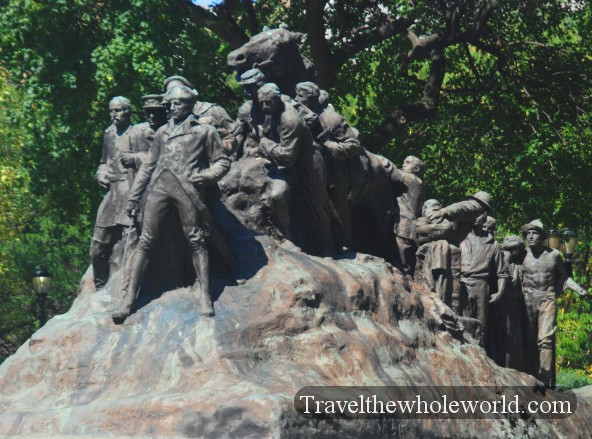
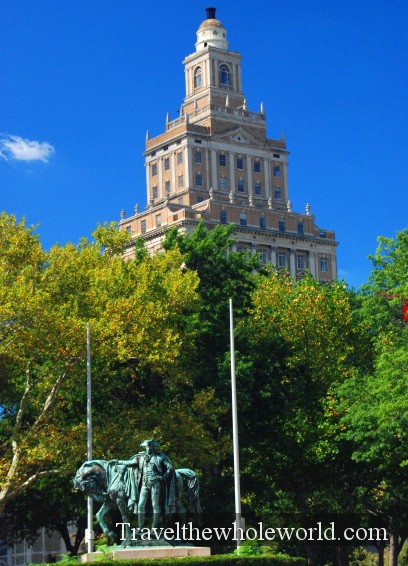
Two small parks in downtown Newark are Military Park and what was historically known as Washington Park. Military Park occupies land that was used for military training as far back as the colonial era. The park contains the large Wars of America monument, dedicated in 1926, along with several other monuments. These downtown green spaces provide a surprising contrast with the dense city surrounding them.
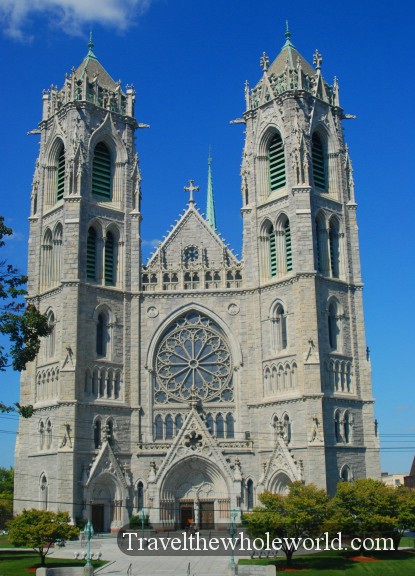
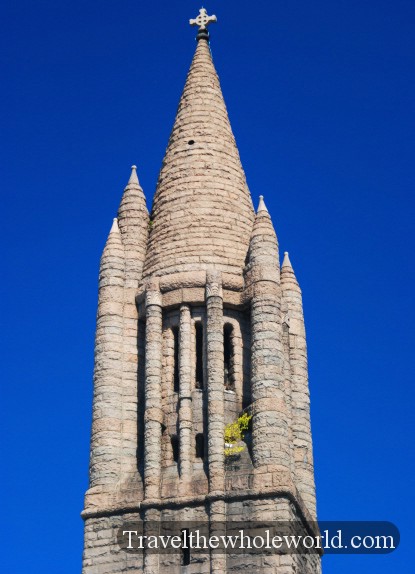
Newark also has some impressive historic churches. The enormous church on the left is the Cathedral Basilica of the Sacred Heart. Construction began in the late 1800s and continued for decades before the cathedral was finally completed in the 1950s. Pope John Paul II visited in 1995, when the cathedral was elevated to the status of a basilica. Newark’s older neighborhoods contain quite a few historic churches and other buildings that reveal a very different side of the city.
Atlantic City
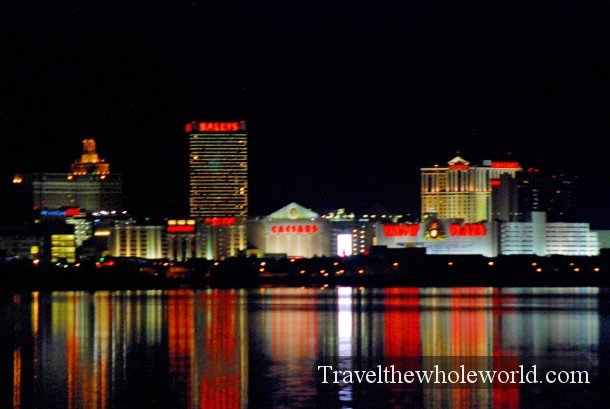
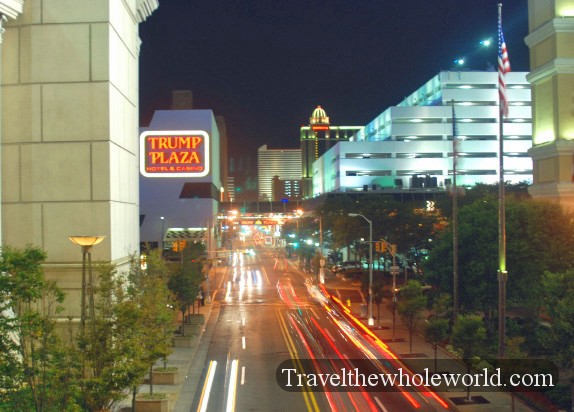
One of New Jersey’s best-known tourist destinations is Atlantic City. This beach resort sits along the Atlantic Ocean in the southern part of the state and has attracted vacationers for well over a century. Long before the casinos arrived, people traveled here by train to escape the cities and spend days or even weeks at the shore.
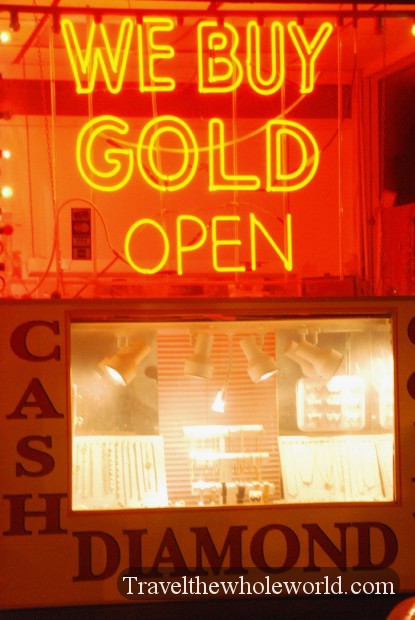
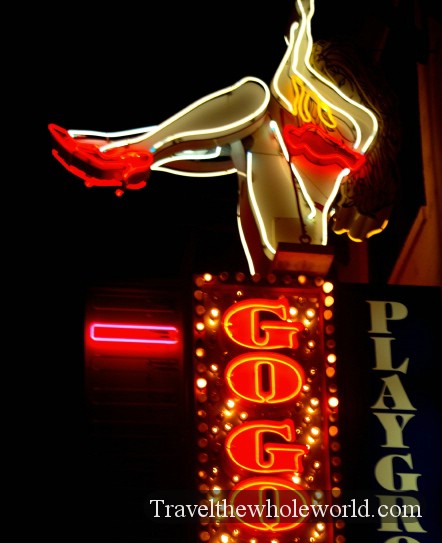
After coming across some rough areas in Trenton and Newark, I wasn’t really sure what to expect from Atlantic City. Despite living only about three hours away at the time, I had never visited. Overall, I enjoyed Atlantic City considerably more than I expected. The casinos, beach, boardwalk, restaurants, and nightlife made it easily one of my favorite places from this particular trip through New Jersey.
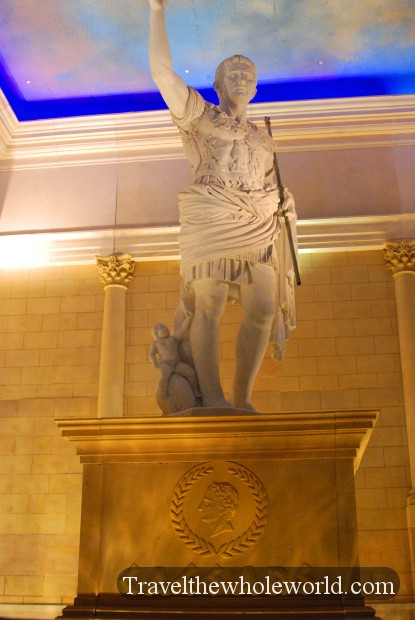
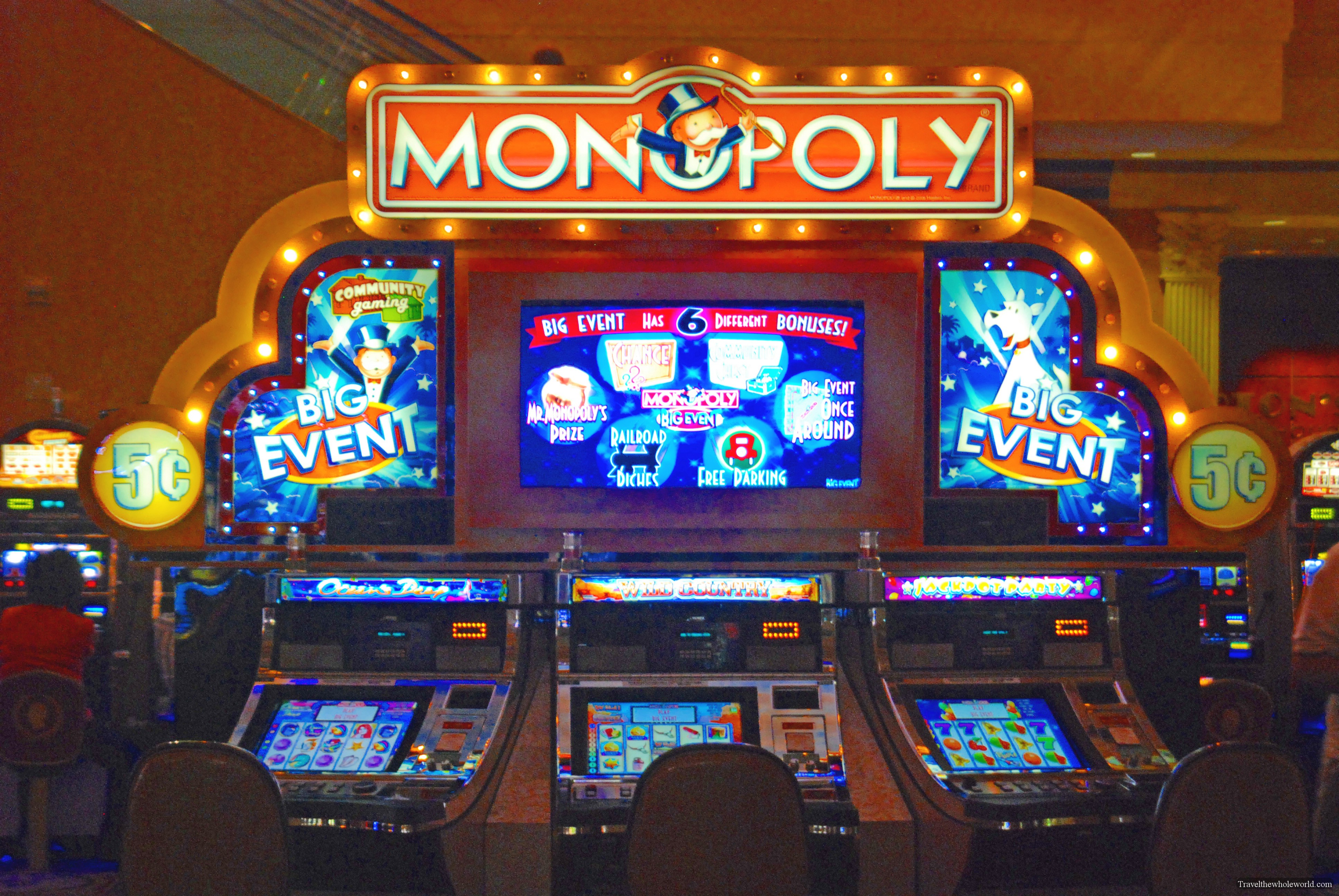
Atlantic City also has an interesting connection with the board game Monopoly. The American version of the game famously uses street and property names from Atlantic City, including Boardwalk, Park Place, and Atlantic Avenue. On the left is a statue at Caesars Atlantic City, while the Monopoly display on the right celebrates the city’s connection with the game.
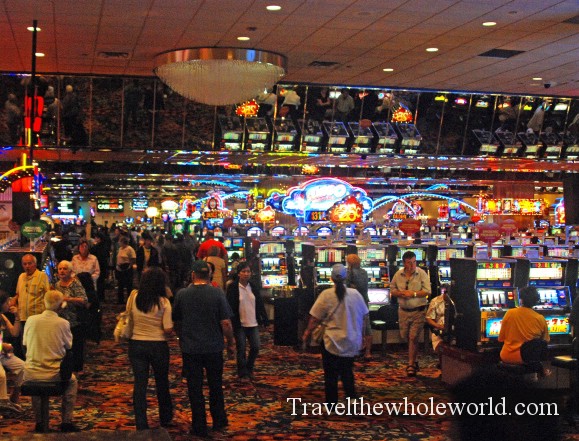
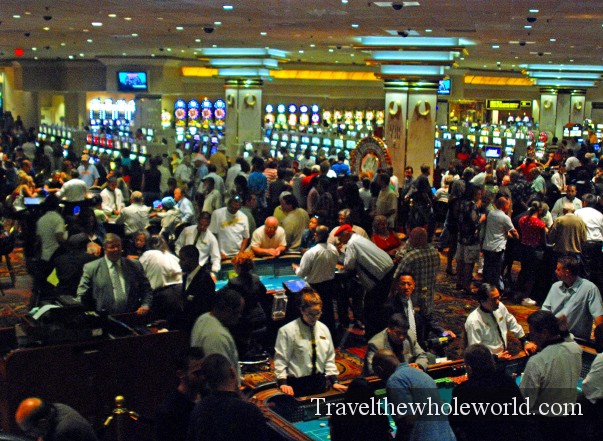
Atlantic City went through its own long decline during the 20th century. As automobiles and commercial air travel gave people more vacation choices, the old resort gradually lost visitors and many of its famous hotels closed. New Jersey voters approved casino gambling in Atlantic City in 1976 as part of an effort to revive the city’s economy. Casinos began opening soon afterward, transforming Atlantic City into the major gambling destination it remains known for today. Above are photos from two different casinos showing slot machines and gaming tables.
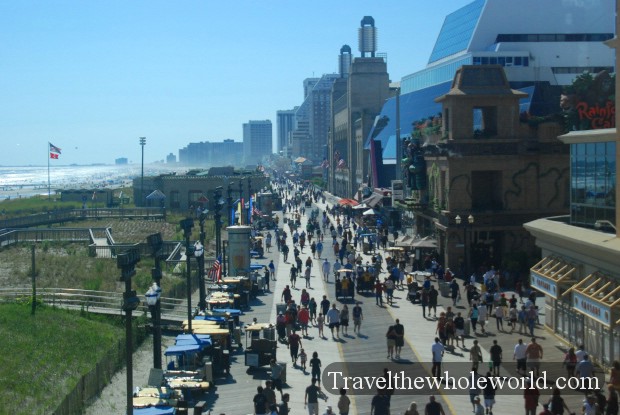
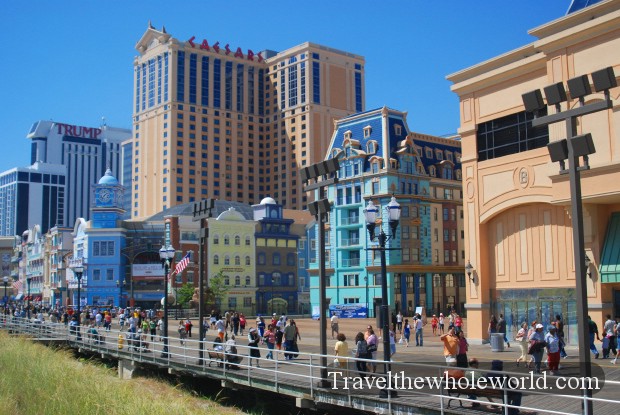
Atlantic City can’t compete with Las Vegas in the sheer size and variety of its casinos, but it has something Vegas can never duplicate: an actual beach and ocean. The famous boardwalk runs between the casino resorts and the Atlantic, combining the city’s two identities as both a beach resort and gambling destination.
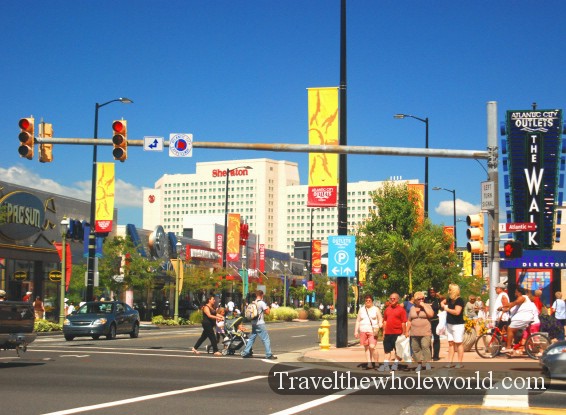
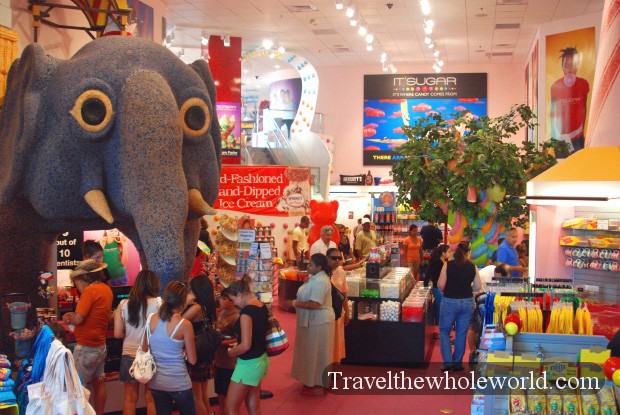
Atlantic City is often thought of primarily as an adult destination, but the casinos and boardwalk are also surrounded by stores, restaurants, and other attractions. On the left is part of the city’s outlet shopping area, while the right shows a large candy store inside one of the casino complexes.
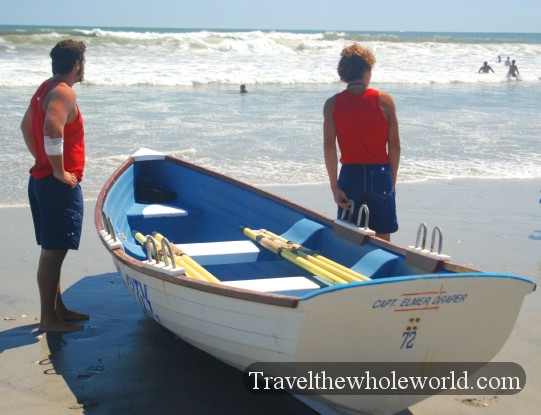
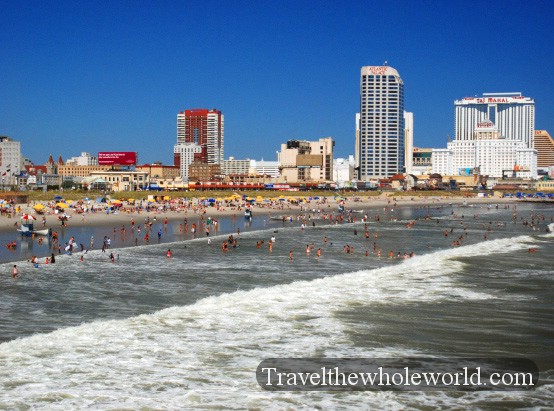
The beach was Atlantic City’s original attraction long before gambling arrived. The casinos may get most of the attention today, but during the summer there’s no reason not to spend some time swimming in the Atlantic. Above are photos of the beach with the large casino resorts rising in the background.
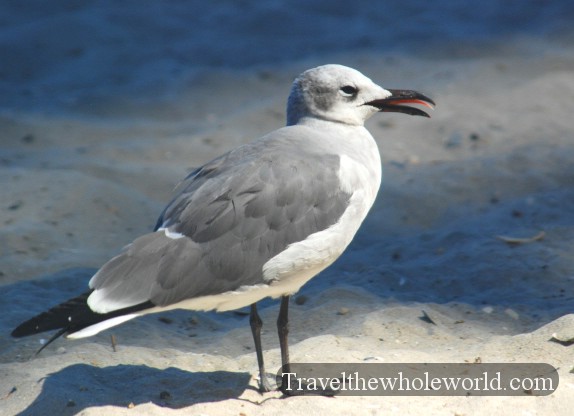
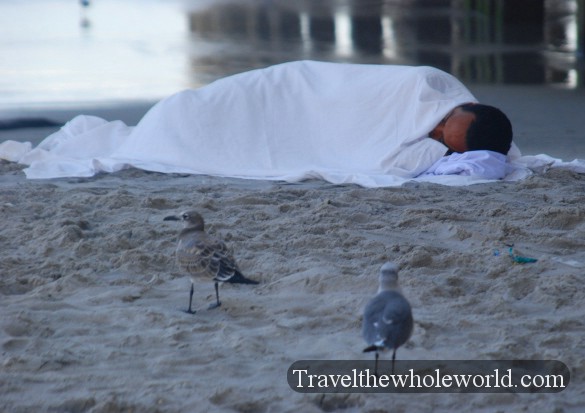
Along the heavily developed New Jersey coast, most of the wildlife I encountered consisted of gulls and other common shorebirds. Above on the left is a gull sticking its tongue out in Atlantic City. On the right is apparently the cheapest accommodation in town: some bedsheets laid directly on the beach.
Haddonfield
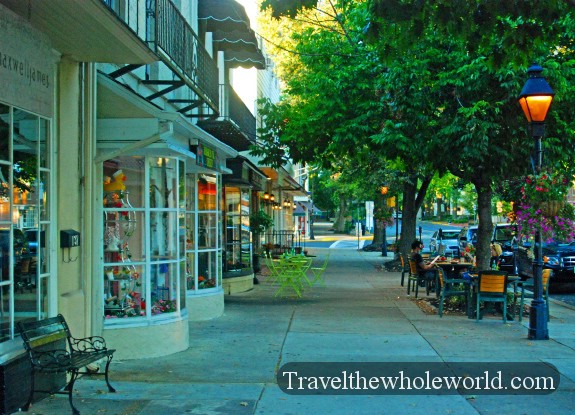
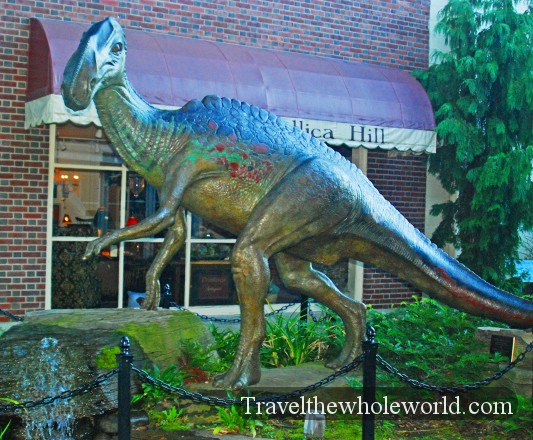
As I headed home from that trip, I stopped in the small town of Haddonfield in southern New Jersey. It was Labor Day, so most of the town was closed and there weren’t many people around, but it still felt like a completely different world from the larger cities I had visited. There were clean, nicely decorated streets, upscale shops, restaurants, and a relaxed small-town atmosphere. Of the New Jersey towns I had explored at the time, Haddonfield was easily one of my favorites.
Northwestern New Jersey
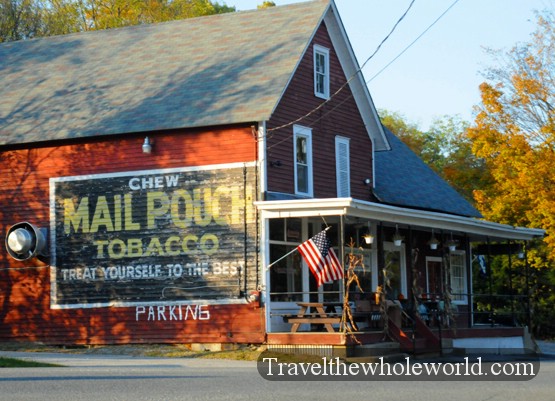
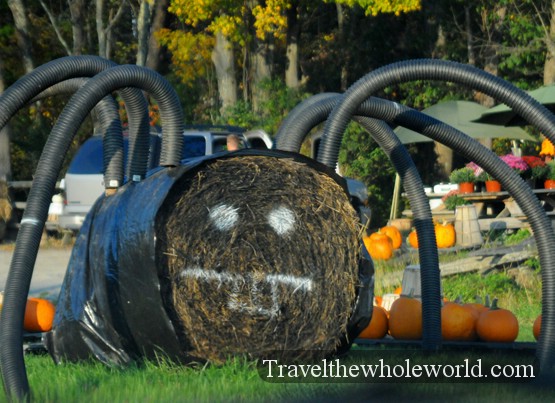
The rest of my photos are from northwestern New Jersey, which I visited in October 2008. This was a completely different world from the urban parts of the state, and I was surprised by how rural the landscape became. New Jersey is so small that the major cities are never extremely far away, but while exploring this area it was easy to forget that I was still in the country’s most densely populated state. Above are two photos from a small town in the northwest, including a country store and a giant Halloween spider decoration.
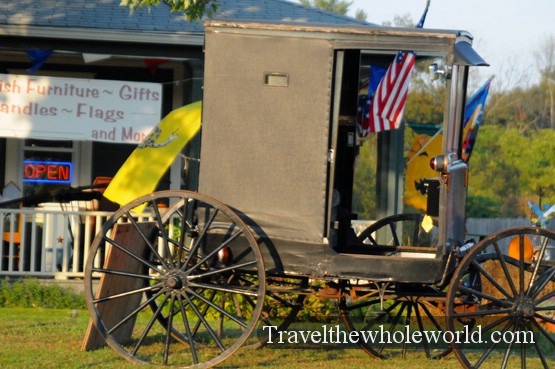
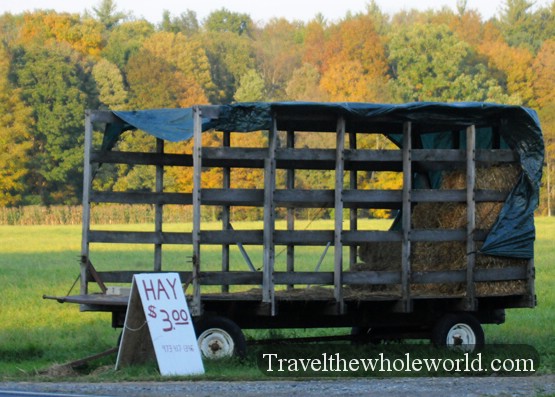
Another surprise for me was seeing farms and even a business selling Amish furniture and goods. Pennsylvania and its Amish communities are just across the state border, so seeing Amish-made products for sale here probably shouldn’t have surprised me as much as it did.
High Point State Park
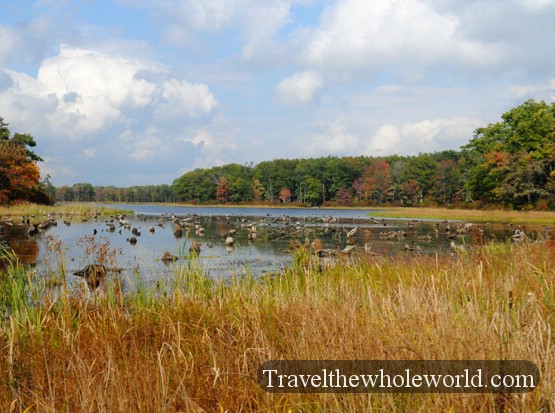
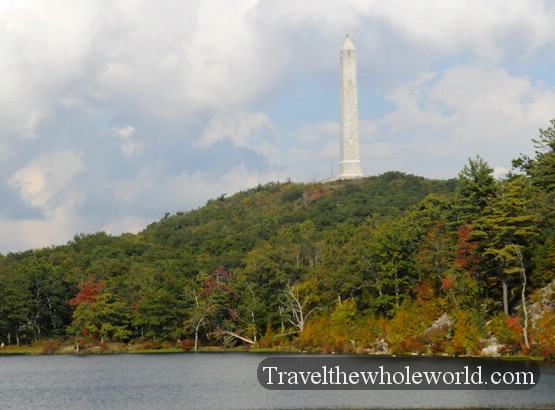
One of my main reasons for visiting northwestern New Jersey was to explore its outdoor areas. The first was High Point State Park, which, as the name suggests, contains the highest point in New Jersey. At 1,803 feet (550 meters), High Point isn’t exactly a mountain by my usual standards, but the surrounding countryside is beautiful. On the left is a lake in the park, while the right shows High Point Monument rising above the state’s highest ground.
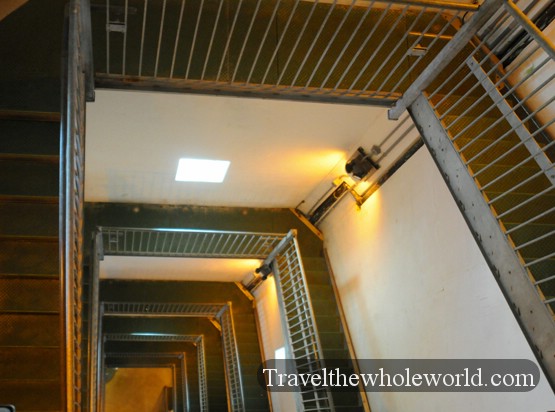
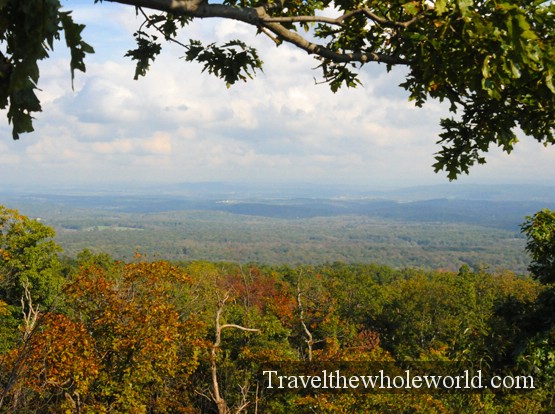
The monument at High Point has an observation area near the top, but be prepared to climb plenty of stairs to reach it. Ironically, I thought some of the views from outside on the ground were actually better.
Delaware Water Gap
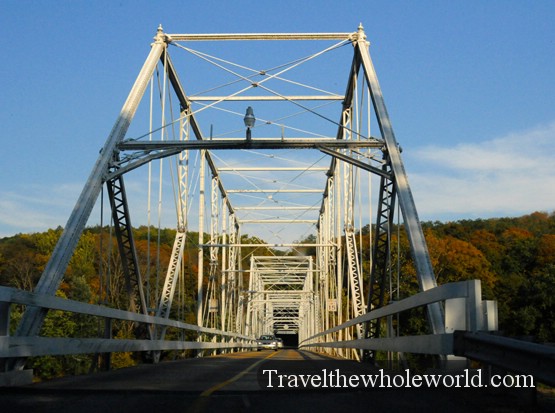
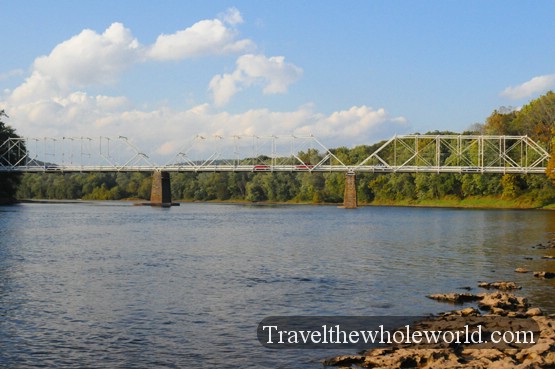
My last stop in the state was the Delaware Water Gap along the border between New Jersey and Pennsylvania. Here the Delaware River cuts through a ridge of the Appalachian Mountains, creating some beautiful scenery and plenty of opportunities for hiking, mountain biking, paddling, and rock climbing. The surrounding forests also support plenty of wildlife, including black bears.
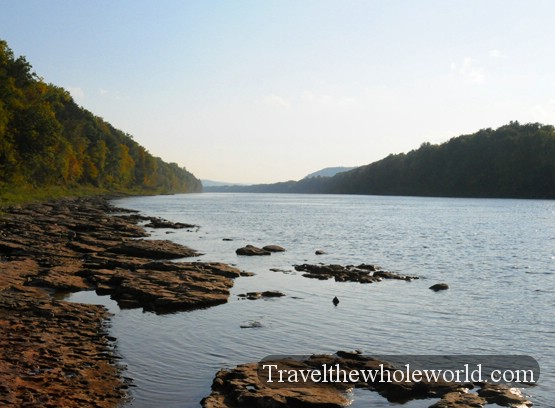

Unfortunately, I still hadn’t seen a black bear while hiking on the East Coast when these photos were taken, although visitors occasionally spot them throughout this area. Between the forests, mountains, and Delaware River, this part of New Jersey looks almost nothing like the crowded urban corridor most people associate with the state.