Minnesota is one of those states I mostly associated with brutal winters before visiting. Fortunately, once spring and summer arrive the temperatures become much more comfortable, opening up everything from city trips to hiking, boating, and exploring the enormous wilderness areas in the north. Most travelers will probably begin in the Twin Cities, but Minnesota becomes increasingly wild as you head toward Lake Superior and the Canadian border.
I ended up being more impressed with Minnesota than I expected. Between Minneapolis and St. Paul, the shoreline of Lake Superior, the forests of the north, and historic places connected with Native American culture, there is a surprising amount of variety across the state.
Explore Minneapolis & St. Paul
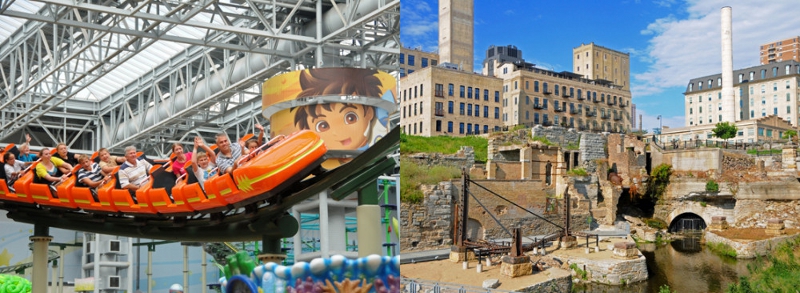
Minneapolis and St. Paul form the Twin Cities, one of the largest metropolitan areas in the northern United States. The two cities sit side by side but have different personalities, with Minneapolis feeling more modern and St. Paul retaining more of its historic architecture and government buildings.
There is plenty to see between the two cities, including museums, parks, historic Fort Snelling, and the unusual Wabasha Street Caves. The most famous modern attraction is probably the Mall of America, an enormous shopping and entertainment complex complete with an indoor amusement park.
Explore Duluth
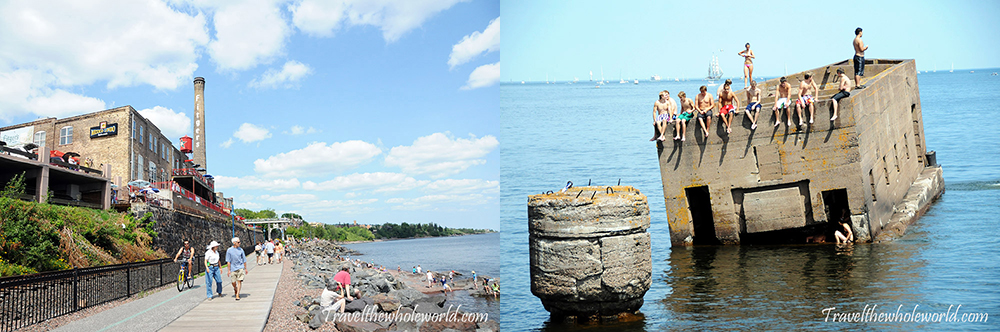
Duluth sits at the western end of Lake Superior, the largest freshwater lake in the world by surface area. The city makes a great base for exploring Minnesota’s North Shore, but Duluth itself also has a scenic waterfront, restaurants, historic buildings, and a long lakewalk overlooking the harbor and Lake Superior.
From here you can head farther north along the shoreline for beaches, hiking, waterfalls, and dramatic cliffs such as Palisade Head. Lake Superior looks and feels more like an inland sea than a normal lake, which makes this one of the most distinctive parts of Minnesota.
Explore Superior National Forest
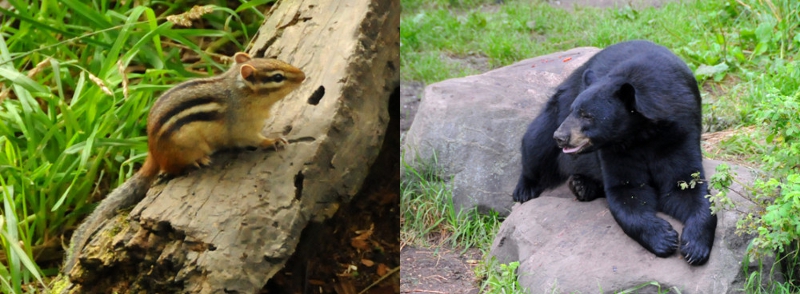
Northern Minnesota becomes increasingly remote, and Superior National Forest protects a huge landscape of forests, lakes, rivers, and wetlands along the Canadian border. This is the side of Minnesota I found most appealing for outdoor adventure, with opportunities for hiking, camping, canoeing, wildlife watching, and exploring areas that feel far removed from the cities farther south.
Black bears, wolves, moose, and countless smaller animals live throughout the region. Winter transforms the forest completely, with frozen lakes, deep snow, and activities such as cross-country skiing and snowshoeing taking over many of the same places used for hiking and paddling during the warmer months.
Explore Pipestone National Monument
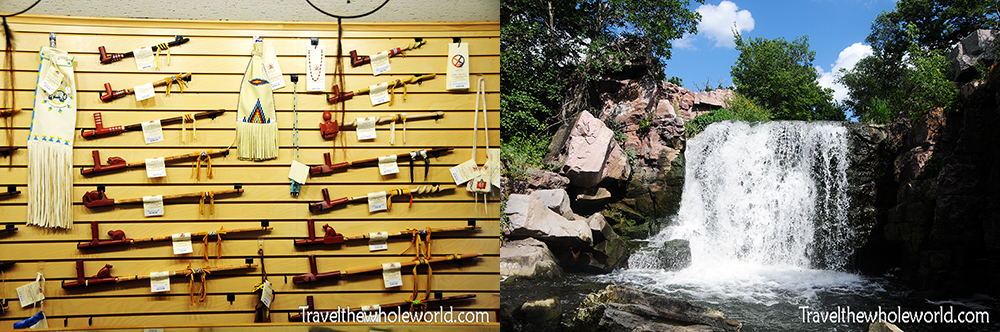
In southwestern Minnesota, Pipestone National Monument preserves a completely different part of the state’s history. Native American peoples have quarried the area’s soft red pipestone for centuries, using it to carve ceremonial pipes that held important cultural and spiritual meaning.
People from different tribes traveled long distances to reach the quarries, and the area remains culturally significant today. Visitors can walk through the prairie to see the historic quarry sites and learn more about the traditions surrounding pipestone and the Native American communities connected with this landscape.