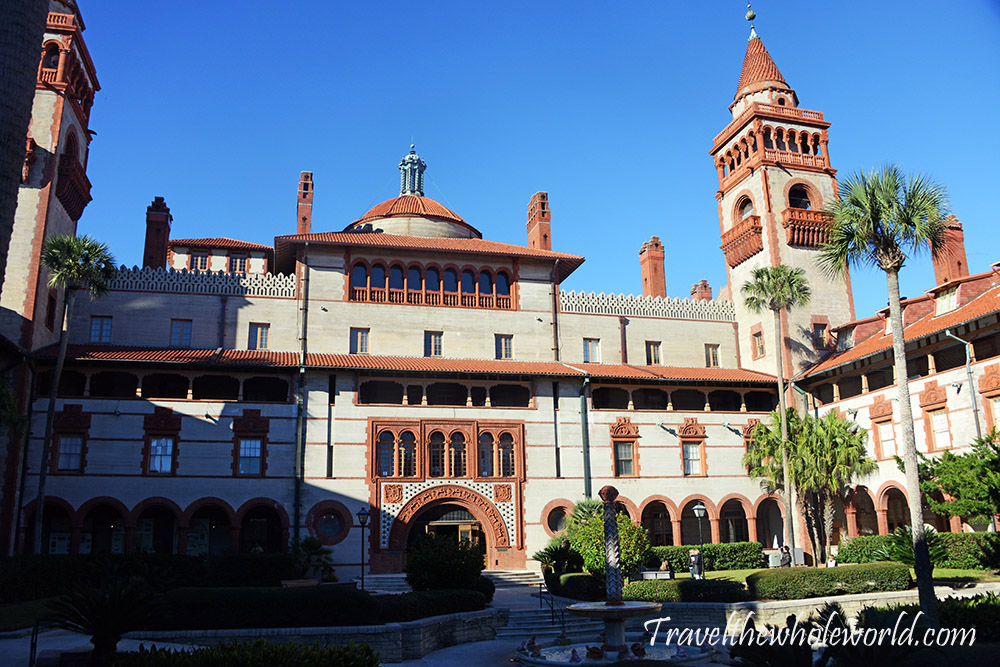
St. Augustine is one of Florida’s least known cities, but it’s one of the most important places in the United States. For starters, it’s the oldest city in America! St. Augustine was founded by the Spanish in 1565, more than 40 years before the English founded Jamestown. During its long history it switched between Spanish and British control before Florida eventually became part of the United States. The city is known for its history, architecture, small town charm, and various attractions. The photo above shows the courtyard of Flagler College. Even though it was built centuries after the city was founded, I feel like it’s a good example of some of the beautiful architecture in St. Augustine.
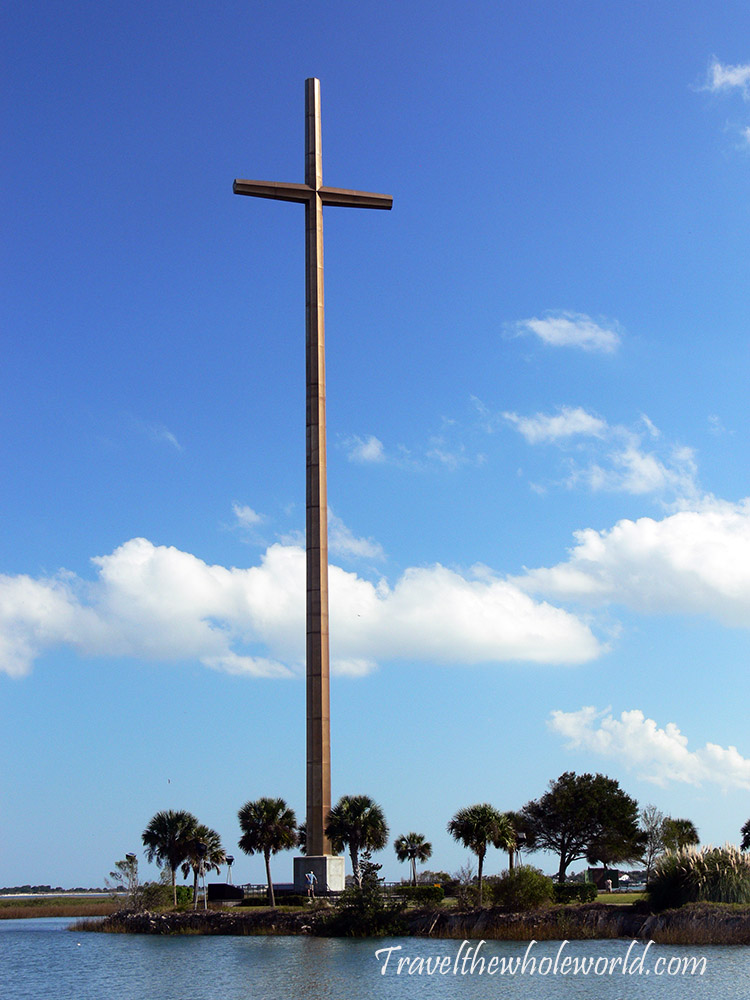
When the Spanish Empire sent ships to the New World, what is now St. Augustine became one of their first permanent settlements in mainland North America. This giant cross marks the area where the Spanish landed in 1565. It’s hard to appreciate just how old St. Augustine is by American standards. The Spanish were already establishing a settlement here decades before Jamestown was founded and more than half a century before the Pilgrims landed at Plymouth.
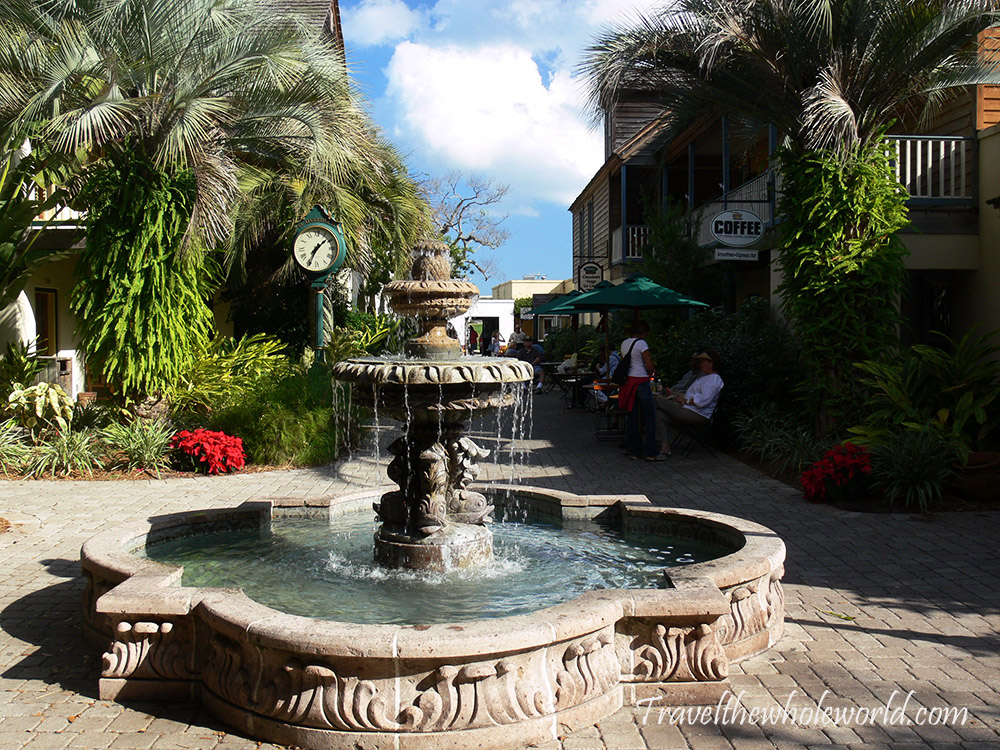
Eventually as Europeans began to colonize the New World, the early Spanish settlers faced threats from pirates and other European powers. English privateer Sir Francis Drake attacked and burned St. Augustine in 1586, and in 1668 the settlement was attacked again by the English pirate Robert Searle. The Spanish eventually decided they needed something much stronger than the wooden forts that had previously defended the city.
Their solution was Castillo de San Marcos, the massive stone fort that still stands along the waterfront today. Construction began in 1672 and took more than 20 years to complete. The fort was built out of coquina, a strange local stone made from tiny shells that had been compressed together over thousands of years. Instead of shattering when hit by cannonballs, the relatively soft stone could absorb some of their impact. That helped make Castillo de San Marcos an incredibly effective fort.
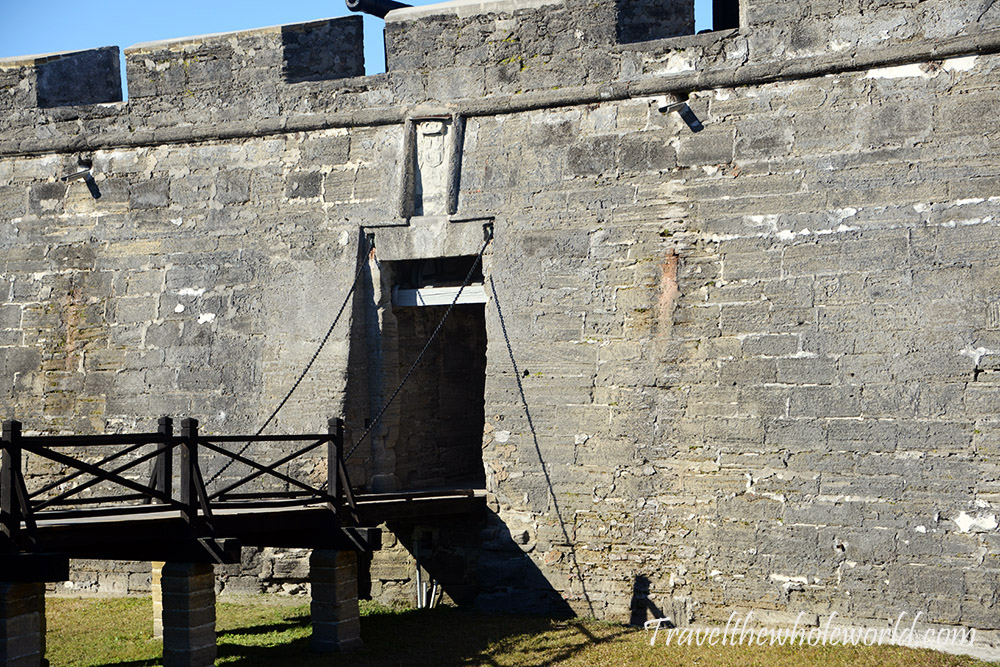
Today Castillo de San Marcos is probably the most impressive historic attraction in St. Augustine. You can walk across the old drawbridge and explore the rooms inside before climbing onto the upper level of the fort. Considering its age, I was surprised by how much of the original structure remains.


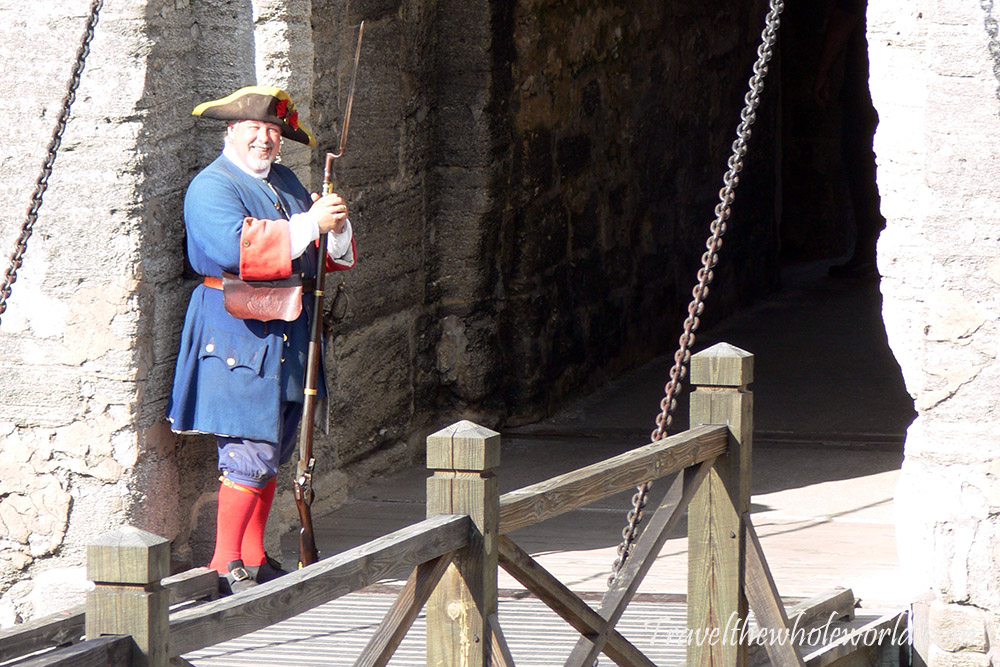
The fort also has historical demonstrations with people dressed as Spanish soldiers. Seeing the old uniforms, cannons, and flags definitely makes the place feel more alive than simply walking through an empty historic building. From the upper walls you can also get some great views of the city and the water surrounding St. Augustine.
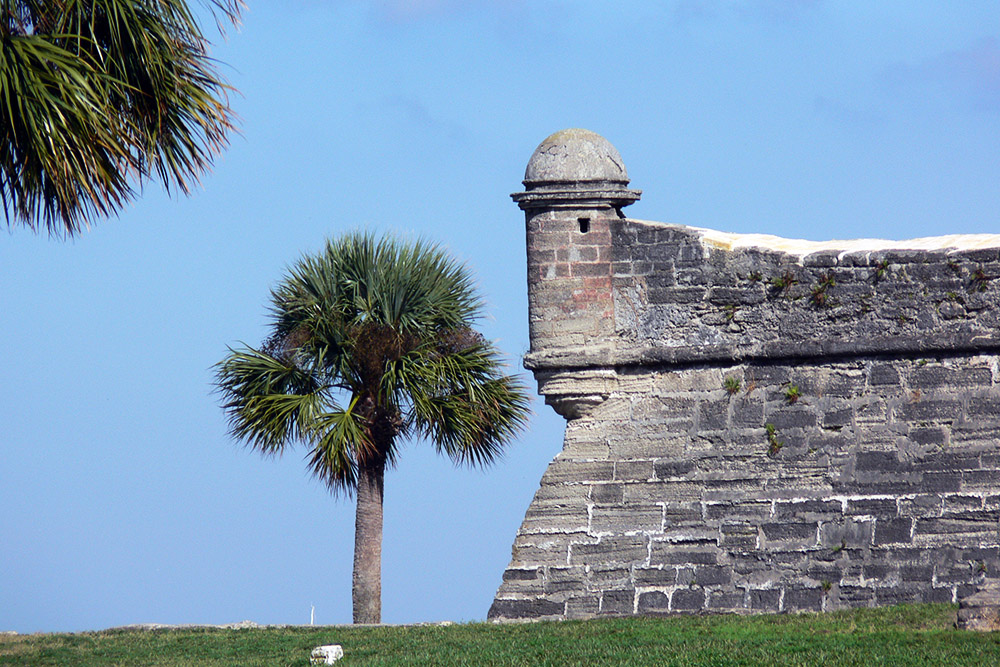
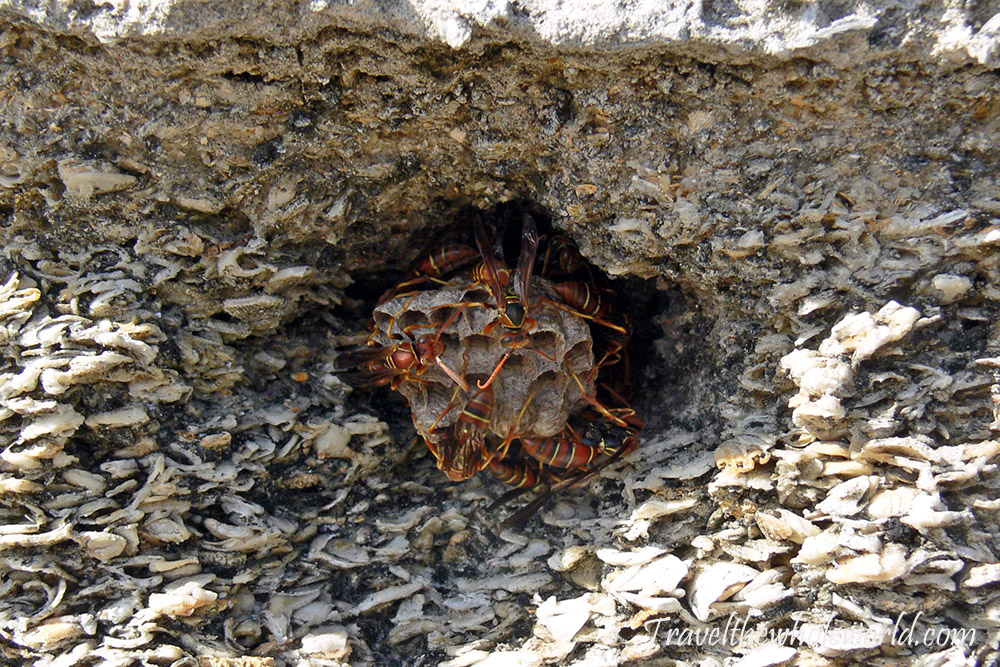
Of course humans weren’t the only ones occupying Castillo de San Marcos. I found these wasps that had decided to colonize their own section of the fort. I wasn’t about to challenge them for it, so as far as I’m concerned they successfully defended their territory.

Being in Florida, there was also plenty of wildlife around the city. Large birds like this are pretty common around the waterways. St. Augustine feels completely different from southern Florida, but you definitely don’t forget you’re still in a subtropical part of the country.
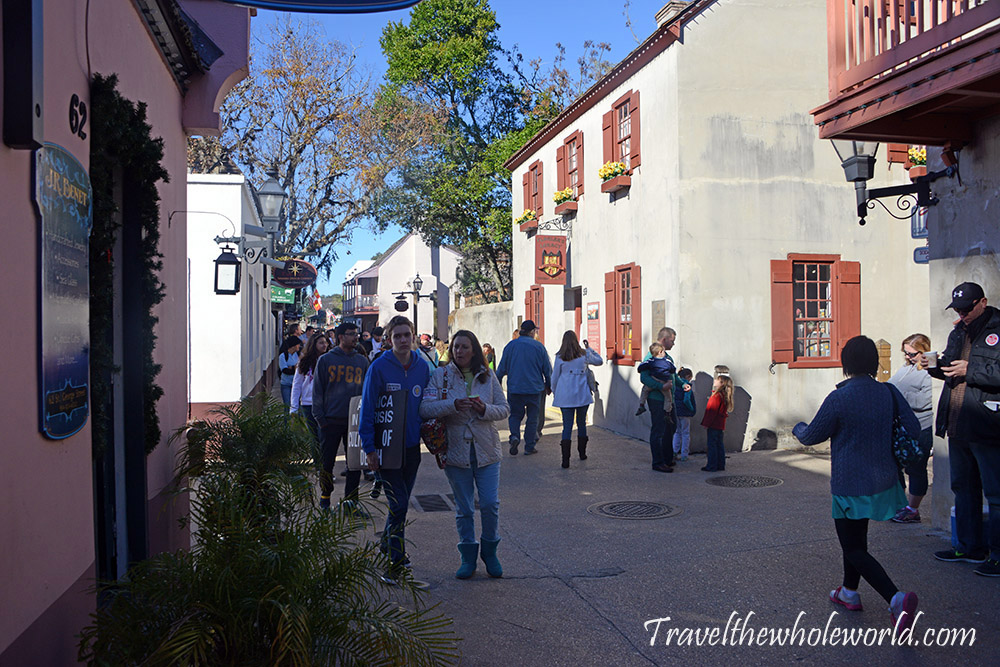
Outside of the fort, one of my favorite things about St. Augustine was simply walking around the historic district. The city center is small enough that you really don’t need a car once you’re there. The narrow streets are lined with old buildings, restaurants, bars, museums, and small shops. It almost feels more like an old European town than a typical city in Florida.


There are plenty of places to stop while exploring the old city as well. St. Augustine has everything from small cafes and restaurants to local shops and places selling wine. You could easily spend an entire day here without really having a plan and just stop whenever you find something interesting.
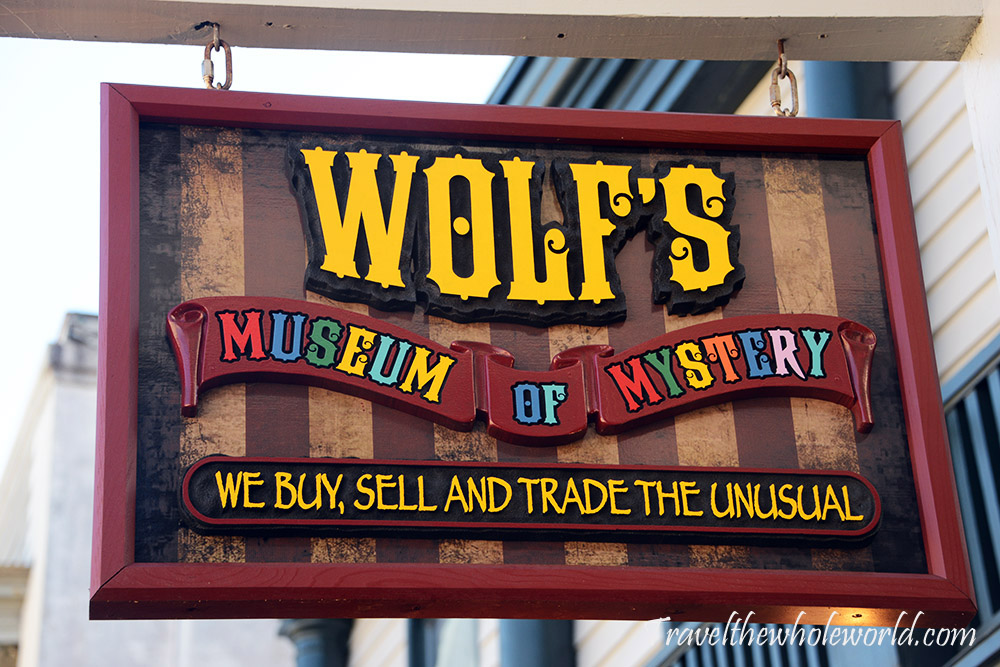
St. Augustine also seems to have a museum for just about everything. Some focus on the city’s Spanish history while others are a little more unusual. That’s part of what makes the city fun to explore. Even after visiting the major historic sites, there are all sorts of smaller attractions scattered around town.


One of the more unusual attractions in St. Augustine is the Alligator Farm. Florida certainly isn’t lacking alligators, but this place has a huge collection of crocodilians from around the world. One of the strangest was this albino alligator above. I’ve seen plenty of alligators in Florida, especially in the Everglades, but I had never seen one that looked like this.
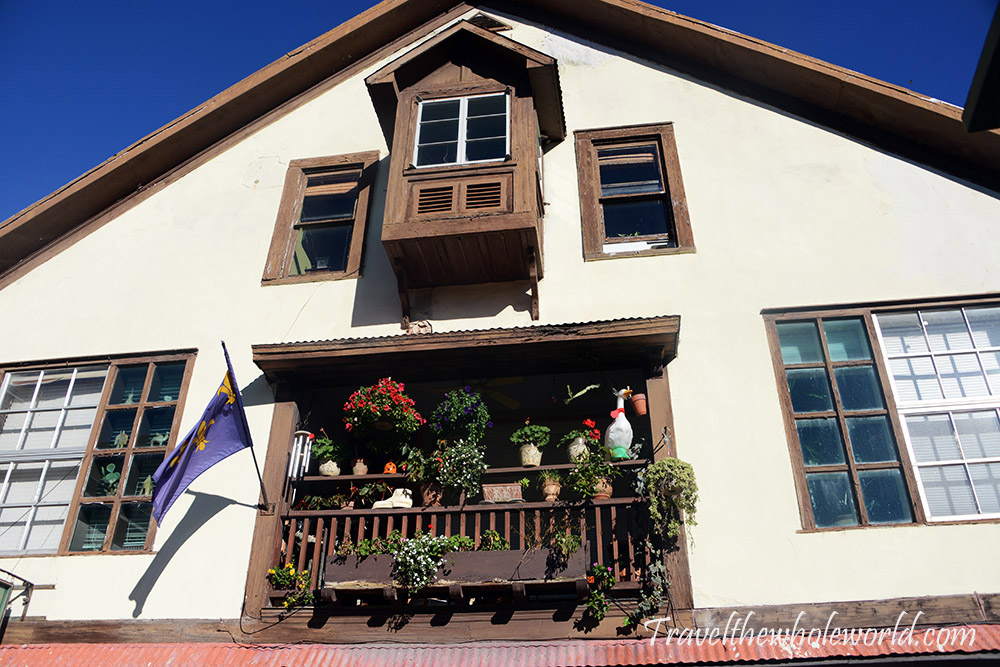
Back in the historic district, the Spanish influence is visible everywhere. Balconies, courtyards, stone walls, and narrow streets give parts of St. Augustine a character that you really don’t find in many other American cities.
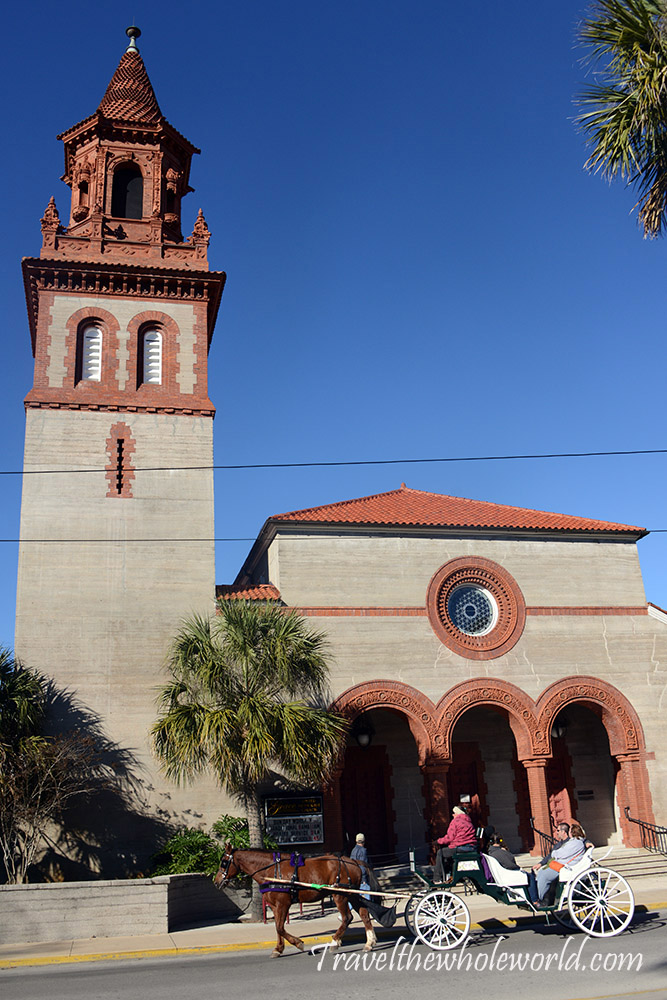
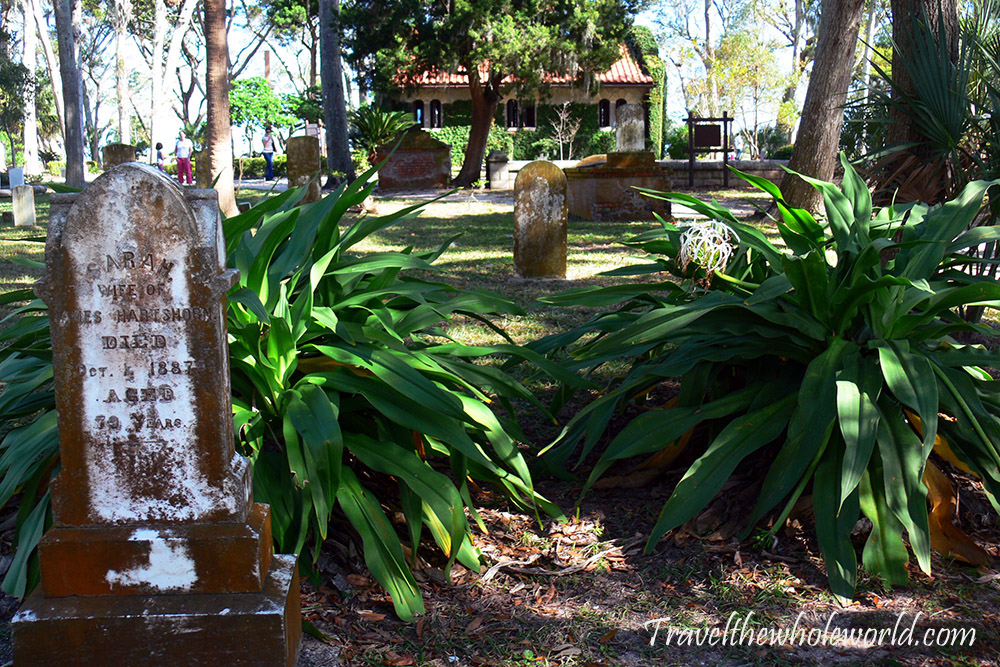
With such a long Spanish history, it’s not surprising that St. Augustine also has several historic churches and cemeteries. Christianity was an important part of the original Spanish settlement, and some of the city’s religious sites trace their history back hundreds of years.
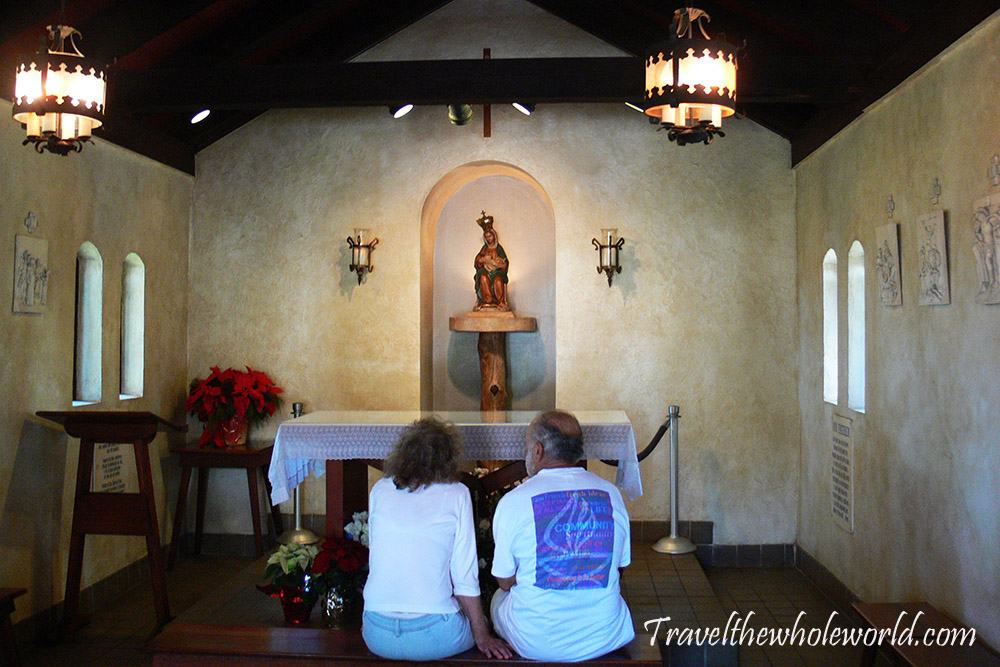
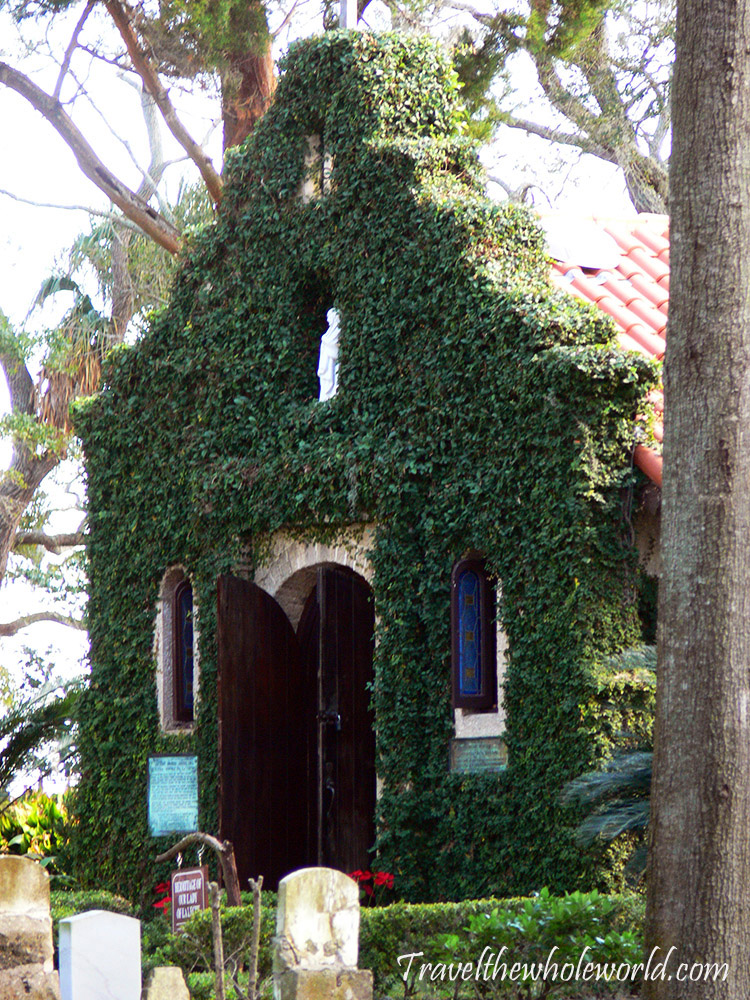
I always enjoy visiting old churches when I travel because their interiors can sometimes be even more impressive than the outside. In a city as old as St. Augustine, they also give you another look at just how many different periods of history have left their mark here.
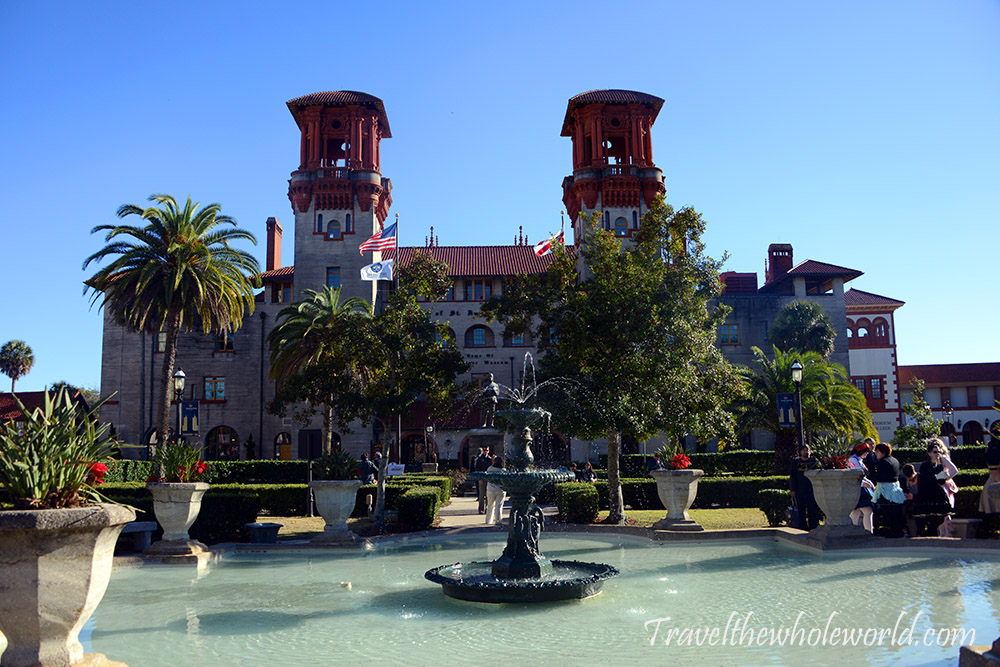
Even some of the government and public buildings fit in with the historic atmosphere of the city. That’s probably what impressed me most about St. Augustine. It isn’t just one fort or a few preserved buildings surrounded by a modern city. Large parts of the historic center actually feel historic.

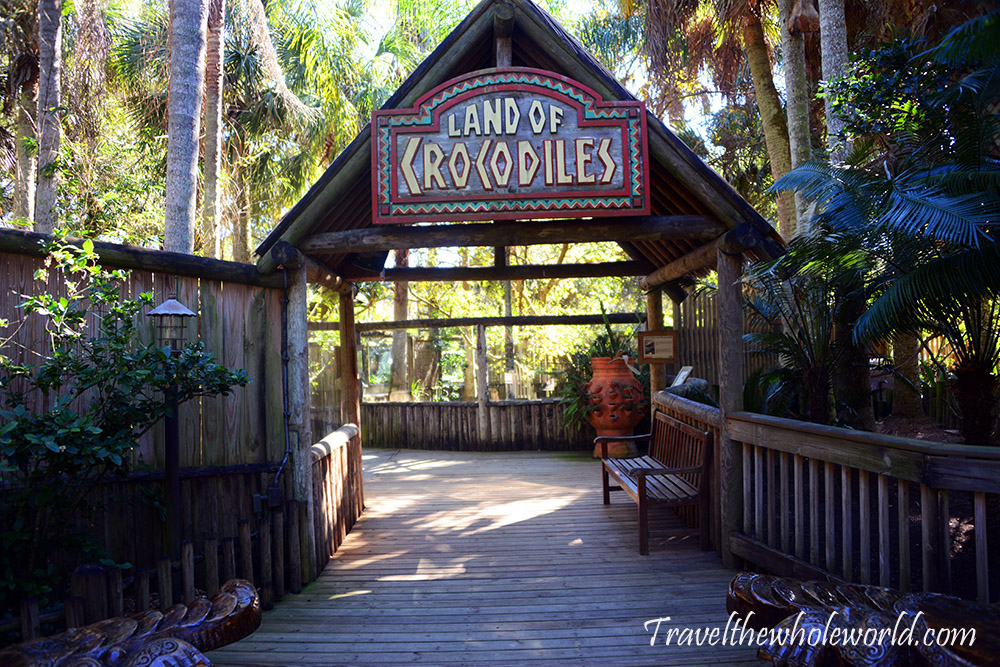
The Alligator Farm isn’t limited to American alligators either. There are caimans and crocodiles from other parts of the world, making it possible to see the differences between animals that most people would probably just call an alligator. Some of the crocodiles here were enormous.
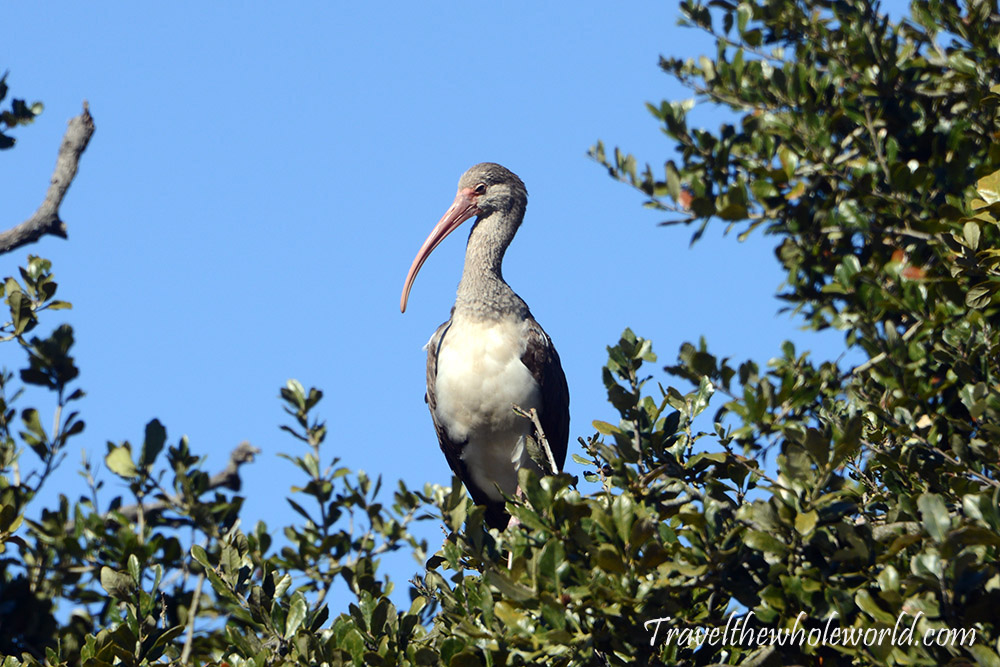
There are plenty of birds here too. Florida has some incredible birdlife to begin with, and the trees and wetlands around the park attract wild birds in addition to the animals kept at the attraction.

Back in town there are countless little details that are easy to miss if you’re rushing from one attraction to another. Decorative glass, old signs, courtyards, and unusual architecture are everywhere. St. Augustine is definitely one of those places where walking around without a destination is part of the experience.
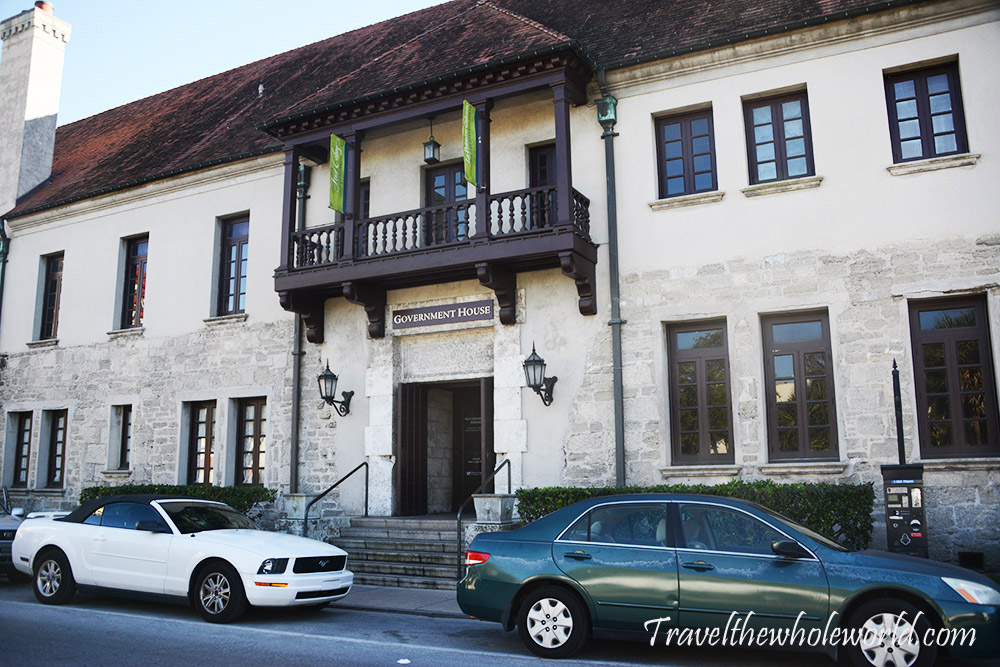
Government House sits in the center of the historic district and is another reminder of St. Augustine’s importance during the colonial period. The city served as the political center of Florida under several different governments, so its history stretches far beyond the tourist attractions that surround it today.
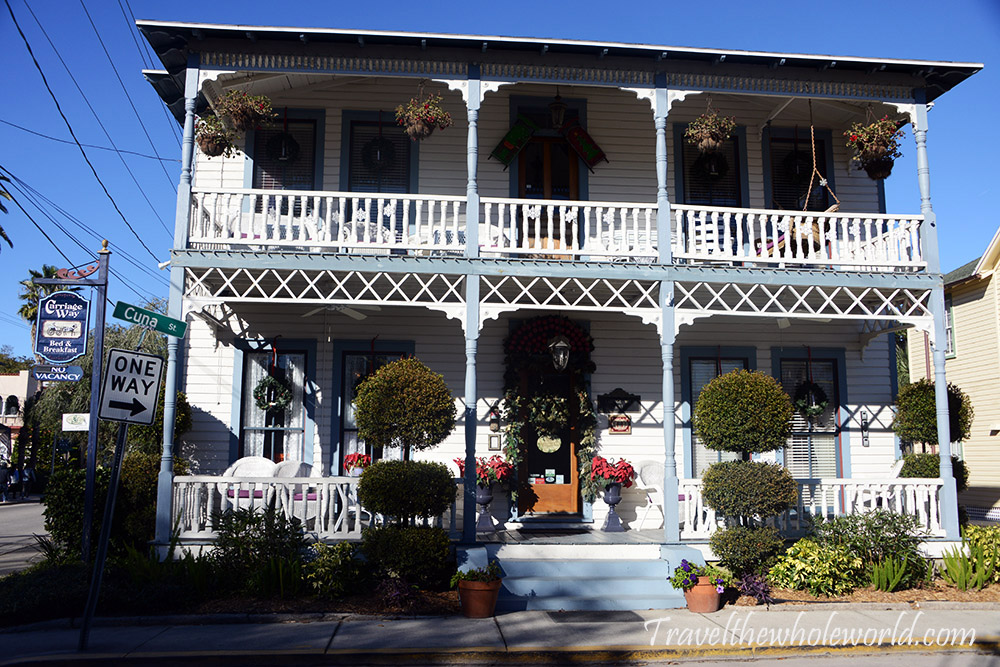
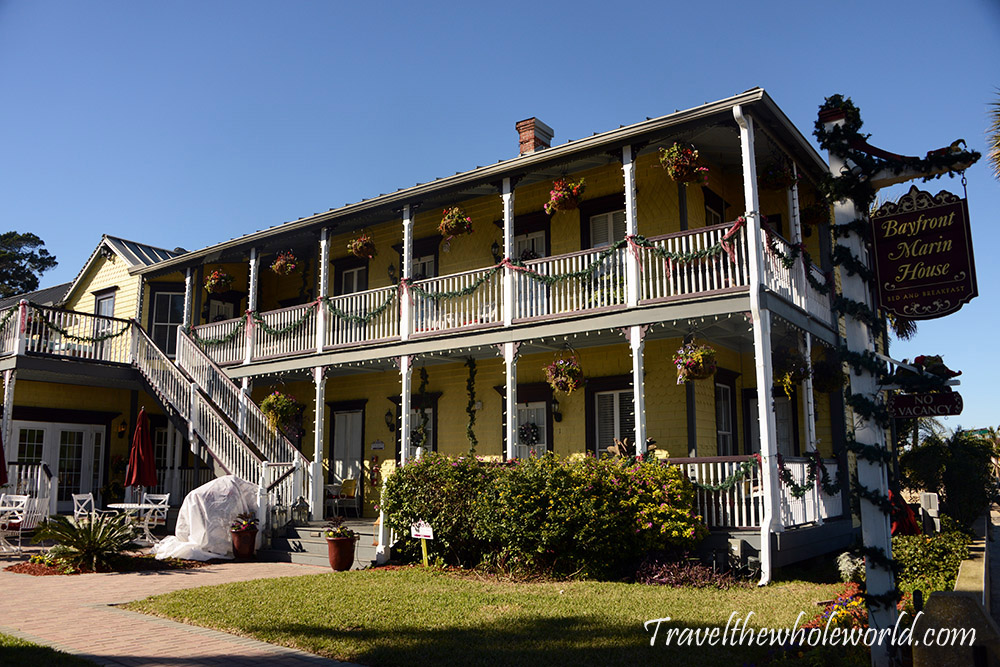
Some of the old houses and inns are attractions themselves. That’s another reason I’d recommend spending at least a full day in St. Augustine instead of treating it as a quick stop. There is a lot packed into a relatively small area, and much of the fun is just seeing what you come across.
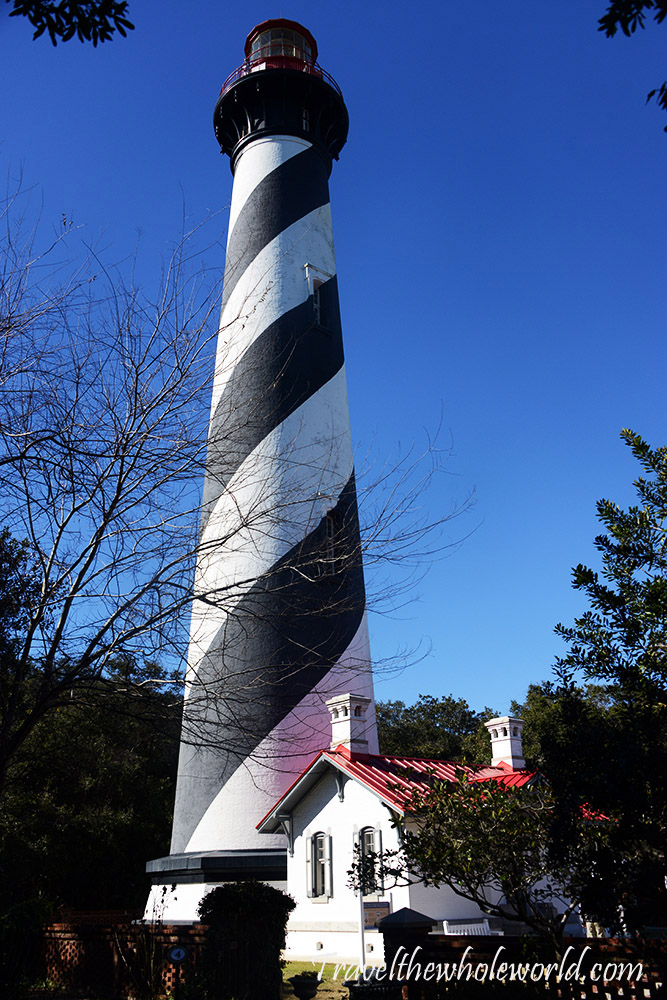
Away from the historic center is another one of St. Augustine’s famous landmarks, the St. Augustine Lighthouse. The black and white lighthouse rises more than 160 feet above Anastasia Island and can be seen from far away. Of course I wasn’t going to visit without climbing to the top.
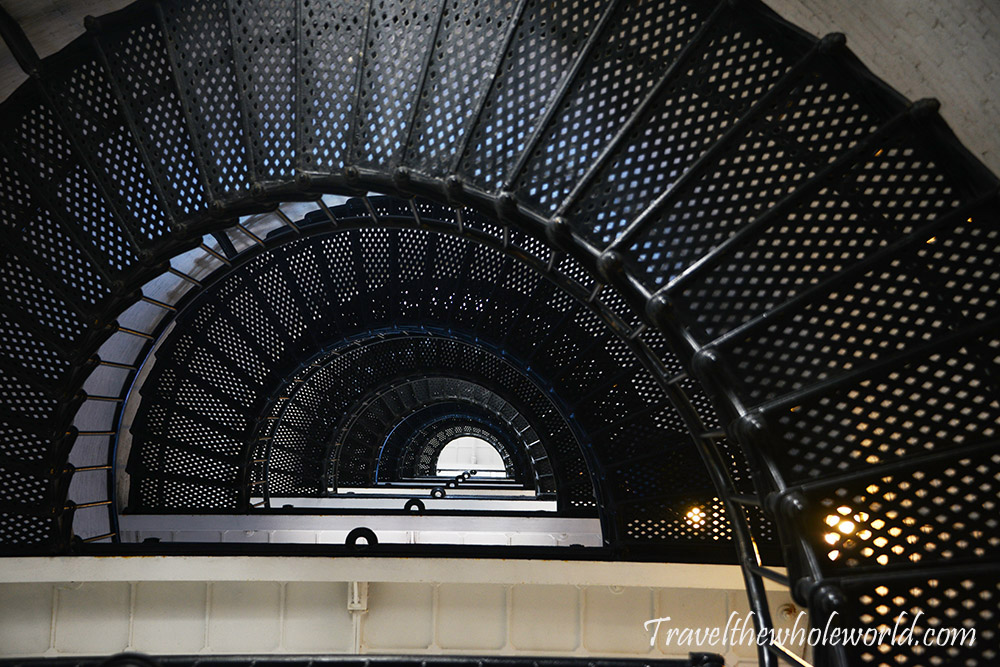
Getting there requires climbing more than 200 stairs spiraling around the inside of the tower. It’s not a difficult climb, but looking straight down through the middle definitely gives you a better idea of how tall the lighthouse really is.
Once at the top you get an amazing view over St. Augustine, Anastasia Island, and the Atlantic Ocean. You can also watch ships moving through the waterways below. For me the view alone made climbing all those stairs worth it.

Returning to the historic district, there was always something happening in the streets. Restaurants and shops bring plenty of tourists into the center, while musicians and street performers give the area a lively atmosphere. Despite all the tourism, St. Augustine never felt like a huge city to me.
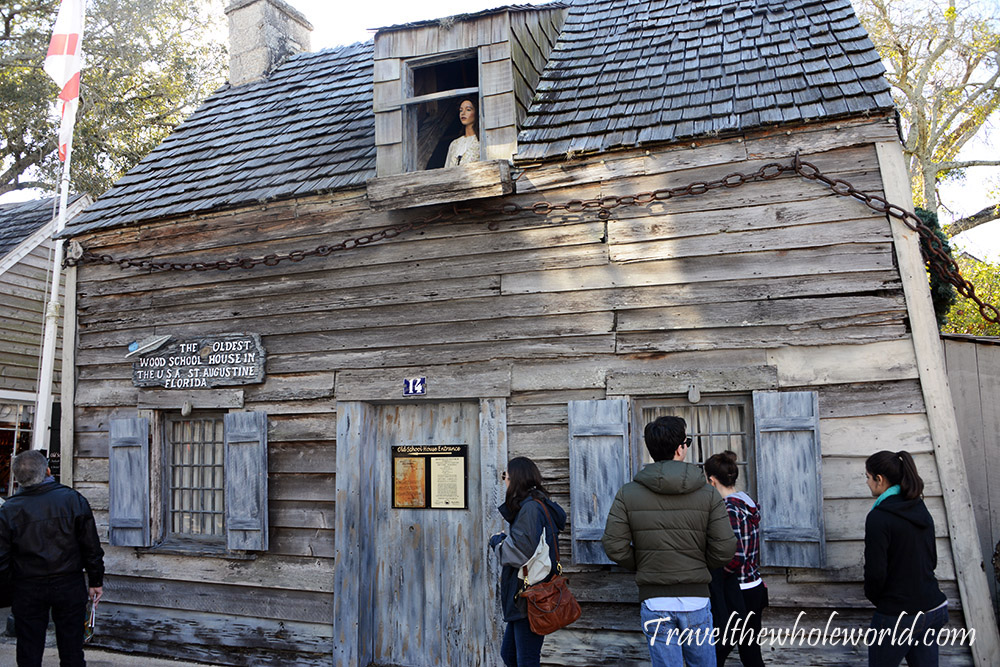
Another quirky historic attraction is the Oldest Wooden School House. St. Augustine seems to attach the word “oldest” to just about everything, but considering the city dates back to 1565, at least it has a pretty good excuse! The tiny wooden building is another interesting stop while walking through the old city.
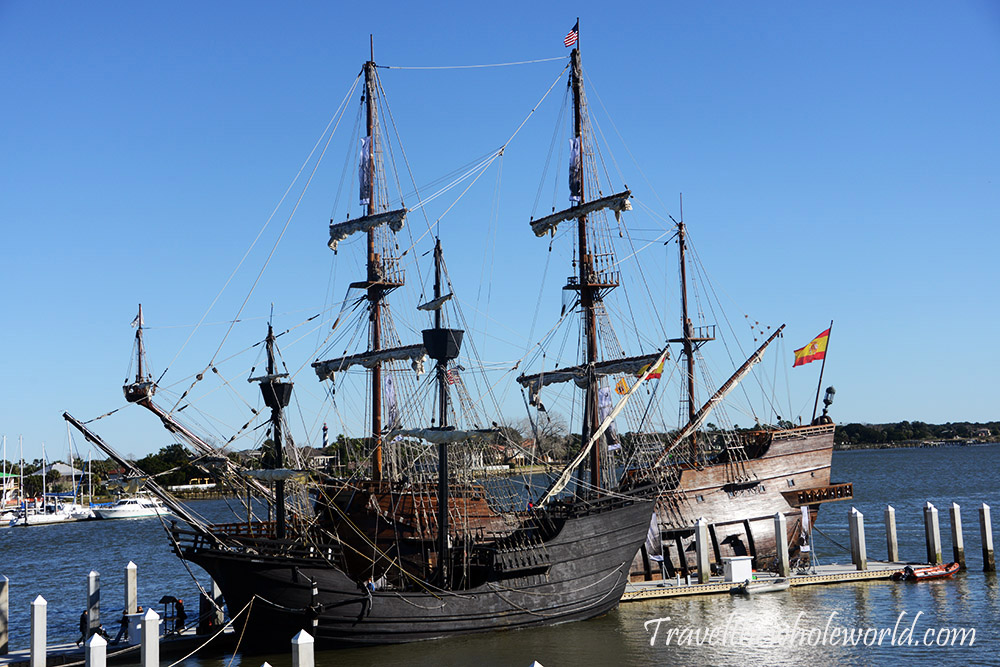
St. Augustine’s location on the water has shaped nearly its entire history. The Spanish originally needed the settlement to protect their interests and shipping routes in Florida, while today the same waterfront is filled with sailboats and other recreational vessels. It’s strange to think that the same coastline tourists enjoy today was once the frontier between competing empires.
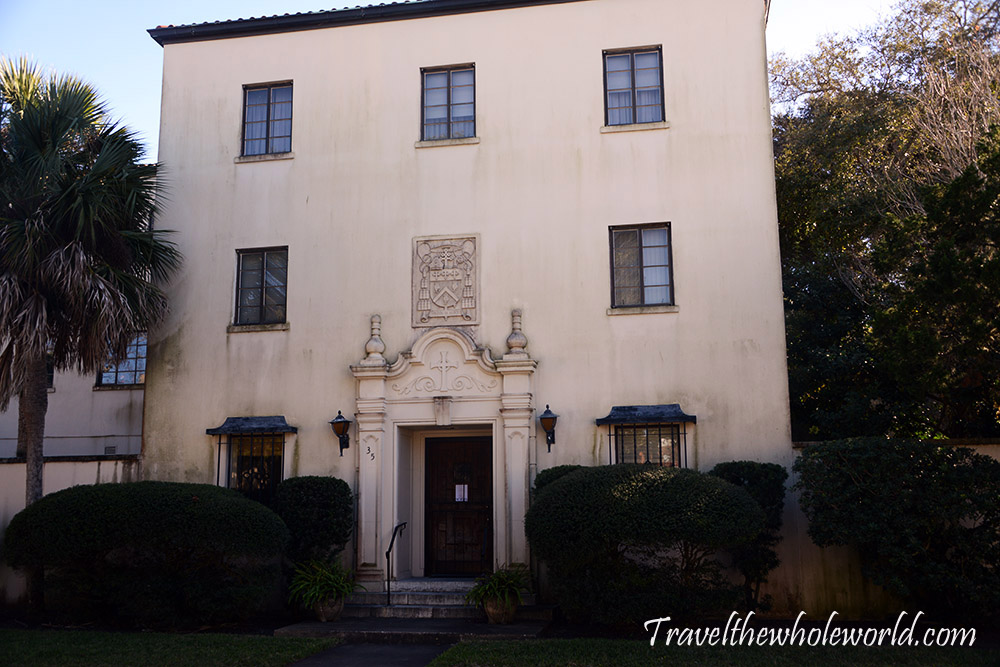
St. Augustine ended up being one of my favorite places I’ve visited in Florida. The state is usually associated with beaches, amusement parks, and tropical wildlife, so it’s easy to forget just how much history exists here. Between Castillo de San Marcos, the old Spanish streets, the churches, the lighthouse, and all the smaller attractions, St. Augustine feels completely different from the rest of Florida. If you’re interested in American history at all, I’d definitely consider it one of the most worthwhile cities in the state to visit.